Yeongwol’s Three-Noodle, Three-Meal Foodie Course in Gangwon Special Self-Governing Province Yeongwol-gun · schedule Other · distance 32km · 6 stops · h…

This course allows you to enjoy Yeongwol's noodles three meals a day. In Yeongwol, where there is a particular love for noodles, you can taste a variety of them. From spicy arrowroot noodles to dongchimi noodles and squid noodles, these were considered blessed foods during times of hunger. Visit the famous Yeongwol spots, including the Gosi Cave where the Go family lived to escape the Japanese invasion and the locations shaped like the Korean Peninsula, while enjoying noodles for three meals.
This course is a sample one-day itinerary. Save it as-is or expand it into an AI itinerary.
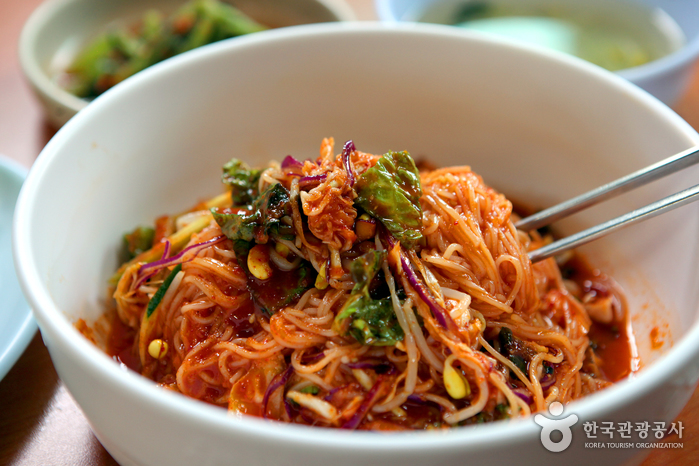
Located in front of Yeongwol Gossi Cave, Gangwon Traditional Restaurant specializes in arrowroot noodles. The arrowroot used is easily digestible and good for hangovers, and the noodles are made fresh daily from dough. The signature dish is arrowroot noodles, which combine savory and clean-tasting noodles with a rich and thick broth. In addition, traditional foods such as bibim arrowroot noodles and potato pancakes are available.
Gossi Cave, where you can glimpse 400 million years of mystery, is one of Korea's representative caves. The name comes from the Gossi family who took refuge here during the Imjin War; it is also said to have been used as a religious site. In the past, visitors crossed the 130m wide Namhan River by ferry to reach the entrance, but now a bridge connects directly to the cave entrance. Designated a natural monument on June 4, 1969, it is a cave of great academic and natural heritage value protected by the state, and it was opened to the public on May 15, 1974. Gossi Cave is a typical limestone cave with a multi-layered structure. The lower layer is a horizontal cave where groundwater flows like a small stream, with passages developed in a southwest direction from the entrance. The main cave is about 950m long, side caves total approximately 2,438m, making the total length 3,388m; around 500m is developed for tourism and open to the public. The main cave mainly formed along joints in the limestone, while subsidiary caves developed along bedding planes. Inside, various speleothems such as stalactites, stalagmites, columns, cave corals, flowstone, curtains, cave pearls, pisolites, shields, helictites, and draperies are found, with rare speleothems growing at many points. Notably, black-colored cave formations in the off-limits area are a unique feature of Gossi Cave.
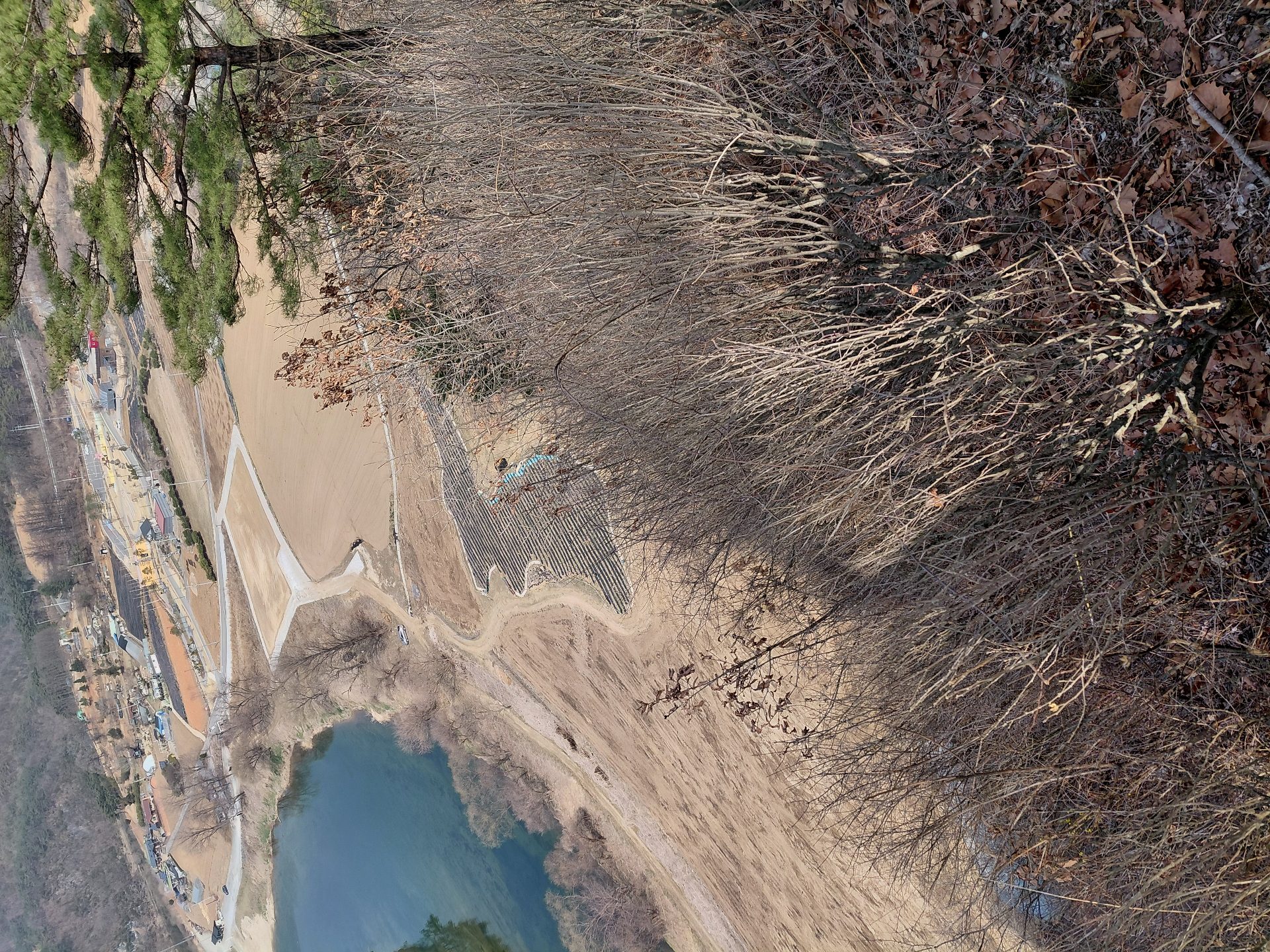
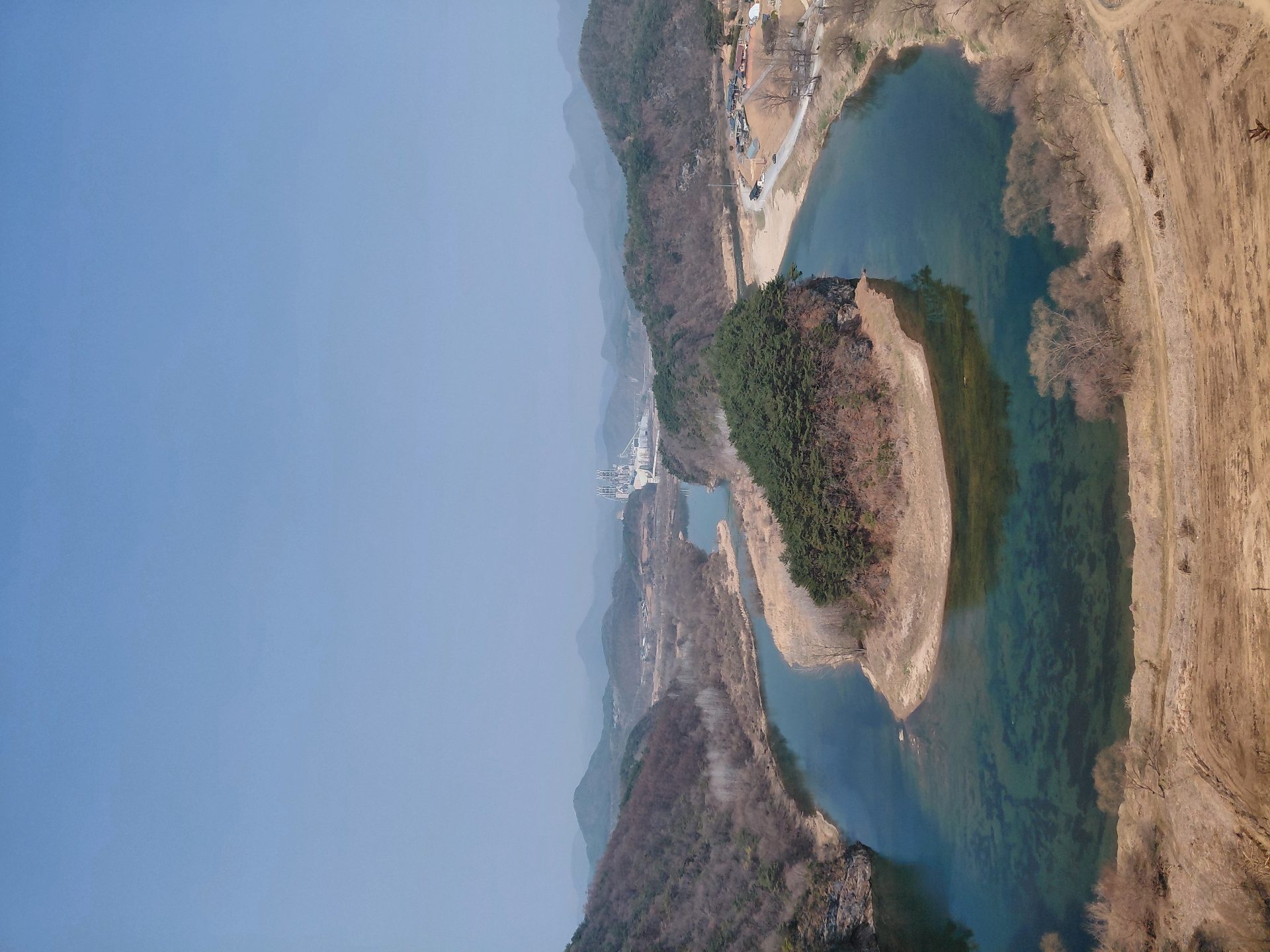
Located upstream of the Namhan River in Gwangcheon-ri, Nam-myeon, Yeongwol-gun, this place was where Danjong, who was dethroned and exiled to Yeongwol, stayed. Danjong, the 6th king of Joseon, abdicated the throne to his uncle Grand Prince Suyang and lived as the retired king. The following year, in 1456, the plot by Seong Sammun and the six martyred ministers to restore the retired king was leaked in advance, and so Danjong was demoted to Nosan-gun. Later, protected by 50 soldiers led by Eo Deokhae, a military official, he was exiled to Cheongryeongpo via Wonju and Jucheon. Cheongryeongpo is surrounded by water on the east, south, and north sides, and a rugged cliff called Yukyukbong rises to the west, making it like an island accessible only by boat. Danjong lived a secluded exile life here, cut off from the outside world. At that time, there was a house for him to stay, and it is said that the local headman Eom Heung-do secretly visited him at night. Because it is like an island with beautiful scenery, it is a famous attraction frequently visited by tourists. (Source: Yeongwol Culture and Tourism Homepage)
Yeondang Dongchimi Guksu has been serving North Korean-style dongchimi noodles for a long time. The signature dish, dongchimi guksu, is made by boiling thin wheat noodles and mixing them with dongchimi that has been well fermented for 4 to 6 months. The dongchimi is made by fermenting napa cabbage, chili, chives, carrot, and radish. Although nothing else is added to the noodles, the dongchimi itself is refreshing and flavorful. Located in the town where historic sites related to King Danjong, such as Cheongryeongpo and Jangneung, are concentrated, it is perfect for visiting Yeongwol attractions. Seondol, overlooking the Seogang River, is also just 10 minutes away.
Named for its resemblance to the Korean Peninsula, this terrain was formed by the erosive action of an incised meandering river flowing around the Hanbando terrain. Here, you can observe limestone found in this region, the meandering Seogang River, the formation process of the Hanbando terrain, dolines, and the uses of limestone. (Source: Gangwon Paleozoic National Geopark)
Located in Jucheon-myeon, Yeongwol-gun, this restaurant specializes in makguksu and is famous as a long-established eatery run by the same family for three generations. The signature dish of Jecheon Restaurant is Kkoldouguksu. Historically, it was a noodle dish made from buckwheat, commonly eaten during times when there was little food in the mountainous regions of Gangwon-do. It was called Kkoldouguksu because it was eaten so often that people grew tired of seeing it. The restaurant first opened in 1973 and, despite the long history, still dries, mills, and kneads buckwheat by hand to make the noodles. Since the noodles are made of buckwheat, they have no chewiness and break easily; the broth is mild and savory with almost no spiciness. Besides Kkoldouguksu, you can also enjoy cold noodles, boiled pork slices, tofu hot pot, and potato pancakes.
Good places to stop and rest after the course
Sign up to feature your channel.
(As a member, you can add your Instagram, YouTube, and blog links in My Page, and we’ll show them with every comment you write.)
““Stayed near Hongdae and did a night café tour. Perfect city views and vibes.””
Guest comments do not display social media links or profile cards.
Share a short tip about this place.
Or leave a quick comment as a guest.
Photo attachments are available after login.
No reviews yet. Be the first to share your experience!