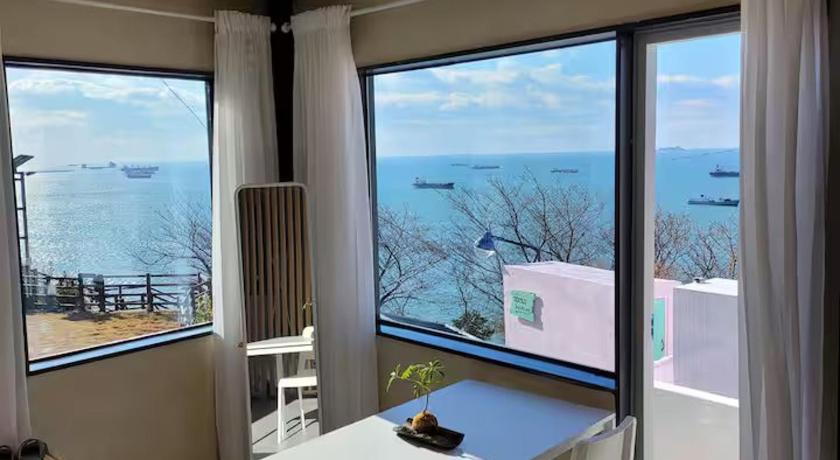
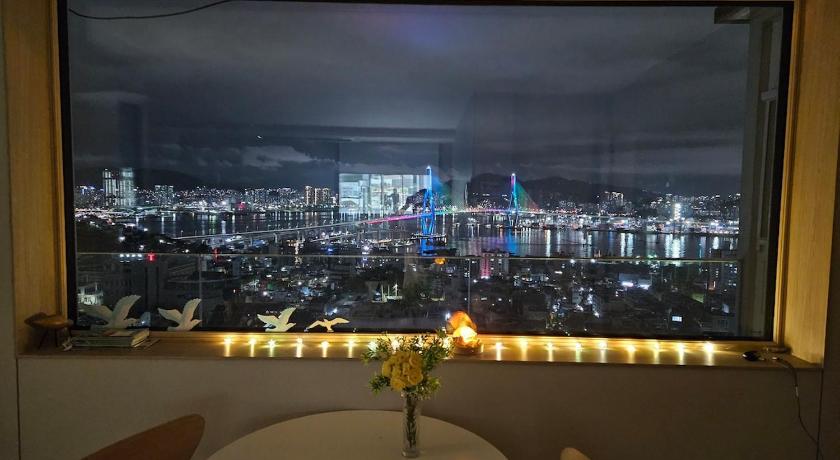
Isongdo Observatory is located at the end of Yeongdo Huinyeoul Cultural Village, overlooking the blue sea, making it a place where you can see the beautiful front sea of Yeongdo. Huinyeoul Cultural Village is where the poignant lives of refugees began and is now home to the cultural village community Huinyeoul Cultural Village together with local residents. Busan's representative old downtown Huinyeoul-gil was named because the winding stream descending from the foot of Bongrae Mountain resembles falling white snow. Since December 2011, old houses have been remodeled, transforming the area into an original cultural and artistic village where visitors can experience life in Yeongdo, attracting many tourists. At Isongdo Observatory, there is a guide map indicating the islands and locations in the front sea. The stairs next to the observatory are famous as a photo zone and a popular spot where visitors line up to take pictures. Next to Isongdo Observatory is Huinyeoul Observatory, another great place to enjoy the beautiful sea scenery.
Table Flower is located in Busan Yeongdo's Huinnyeoul Village, which was reborn as an original cultural and artistic village by remodeling an old house in 2011. The shop, situated in a place overlooking the beautiful blue sea, has a photo spot with a great sea view. The owner of Table Flower is a certified floral decorator and also holds a qualification as an art psychotherapist specializing in children's art, preparing experiences not only for adults but also for children. For children, chocolate bouquets and various character bouquets are available, and anyone can enjoy a variety of experiences.
Amir Park is a park within Dongsam Innovation City created by reclaiming dredged soil during the late 1990s development of Busan Port North Port. It was established in July 2012 through the continuous interest and efforts of the residents' representatives of the 'Dongsam Innovation District Development Countermeasures Committee,' who wished for regional development. Located next to the National Maritime Museum in Yeongdo-gu, Amir Park offers a wide grassy area with an open view of the sea. In summer, hydrangeas bloom fully, allowing visitors to walk along a splendid hydrangea path. The park measures 600 meters in length and 38 meters in width, making it a popular healing space for many citizens.
Opened in April 2007, the International Cruise Terminal secures a deep water depth of 11.8 meters to allow large passenger ships to safely dock, and features convenient facilities related to immigration and customs. Managed by Busan Port Authority, the terminal sits on a 26,839.57㎡ site with a 2,568.78㎡ building. The first floor houses CIQ (Customs, Immigration, Quarantine—three essential procedures for entry and exit) facilities and a first-floor waiting lounge, while the second floor offers ticket counters, a second-floor waiting lounge, and offices for operational use. Additionally, baggage inspection and duty-free goods delivery areas are located separately in two annex buildings. The International Cruise Terminal is becoming a new growth engine for tourism originating from Busan Port.
Bongnae Mountain is located in the center of Yeongdo and is said to be named because its shape resembles a phoenix flying in. The entire mountain is cone-shaped, showing characteristics of an old mountain. It has three peaks: Jobong, Jabong, and Sonbong, with steep slopes on all sides. At the summit is Halmae Rock, considered the body of the Halmae deity in the legend of Yeongdo Halmae. According to this legend, Yeongdo Halmae protects the residents peacefully. From the summit, you can see Busan’s urban areas including Jung-gu, Seo-gu, and Haeundae-gu at a glance. Nearby tourist sites include Bokcheon Temple, the National Maritime Museum, and the Yeongdo Jo Naegi Sweet Potato History Museum, making it a good linked travel course.
Bokcheonsa Temple, located on the foothills of Bongrae Mountain (396.2m) in Sinseon-dong, is a historic temple said to have been founded by the monk Naung Wangsa during the late Goryeo period. Famous for its beautiful scenery, Bokcheonsa is recommended for tourists seeking a quiet and peaceful place to heal and enjoy a calm day. The temple is named Bokcheonsa because of the good water from the valley. Overlooking the sea, it is also well known as a popular photo spot famous for its sunsets. Bokcheonsa holds many cultural heritage items, including Busan Tangible Cultural Properties such as Jijangsiwangdo (No. 61), Amitageukrakhoesangdo (No. 62), Josang-gyeong (No. 65), Seonwonjejeonjibseo (No. 66), Seokgakyeongsanghoesangdo (No. 35), Doksongdo (No. 38), Hyeonwangdo (No. 39), as well as about 70 other non-designated cultural assets.