Walking an old city full of bygone charm in Jeollanam-do Yeongam County · schedule Other · distance 1.81km · 4 stops · highlights Yeongam Wangin Baksa V…

It's good to walk while exercising or while playing. The rare tranquil charm of Yeongam, where nature and the past coexist, makes for a healthy walk. However, it is not a static course. In Gurim Village, you can stay in a hanok and enjoy various activities such as paper crafts, traditional weddings, straw crafts, and fishing, making it an enjoyable Yeongam trip even with children.
This course is a sample one-day itinerary. Save it as-is or expand it into an AI itinerary.
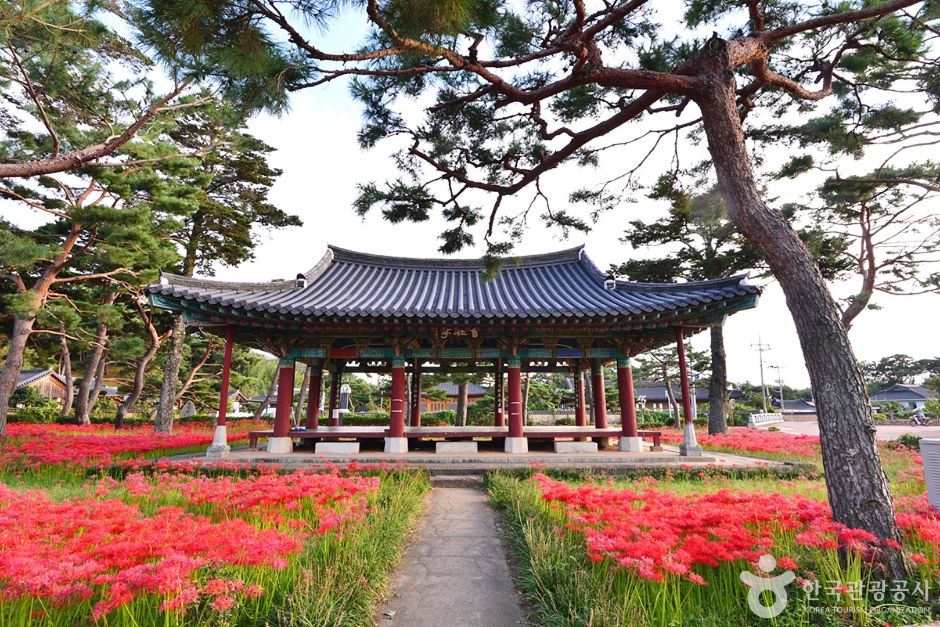
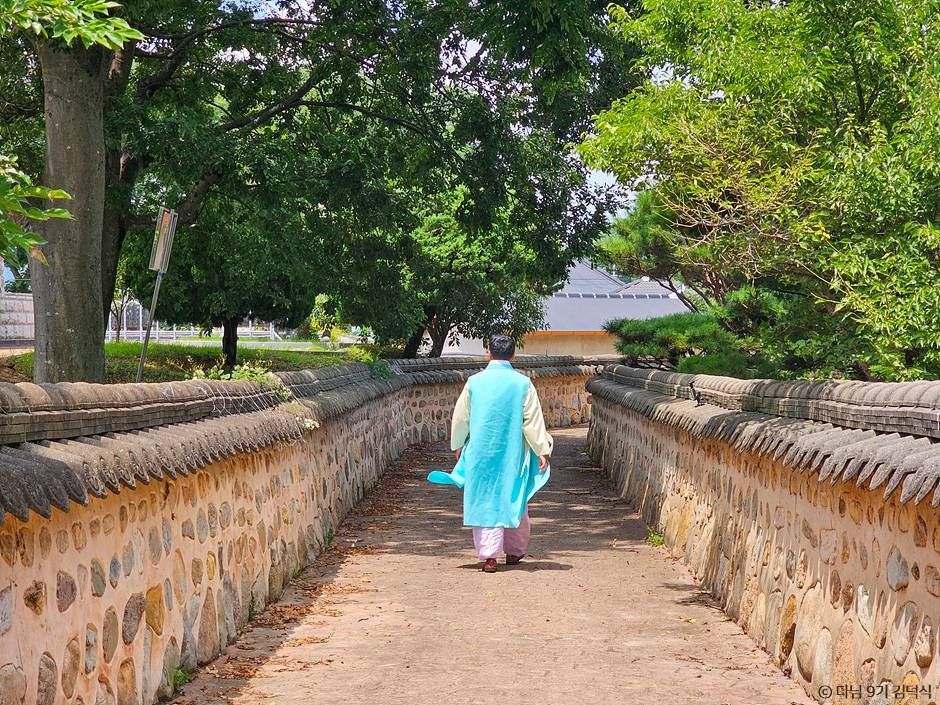
Located at the foothills of Wolchulsan in South Korea's Geumgang National Park, the Yeongam Wangin Baksa area is a village with a 2,200-year history. It is the birthplace of Wangin Baksa, who introduced Chinese characters and Confucianism to Japan, and Doseon Guksa, the founder of the pungsujiri theory. The village, with traditional tiled houses, old pavilions, and quaint earthen walls, is like a living museum. In Gurin Village within the area, the Gurin Daedong Association has existed for over 450 years. At the cultural center for Yeongam pottery, the birthplace of Siyudo-gi located in the village center, there are various exhibition and tourism experience workshops where visitors can participate in educational pottery-making experiences. This region, a famous destination for Namdo tourism, offers diverse programs operated by local residents (Wanginchon), and each of the 100+ hanok guesthouses presents unique individual experience programs, distinguishing it from other experience villages. The network formed by Wolchulsan National Park, Wangin Baksa historic sites, the pottery culture center, and the Wanginchon residents’ autonomous association offers traditional and local culture wellness experience programs. This is the village’s greatest feature, making it a leading place for experiential tourism culture in Korea.
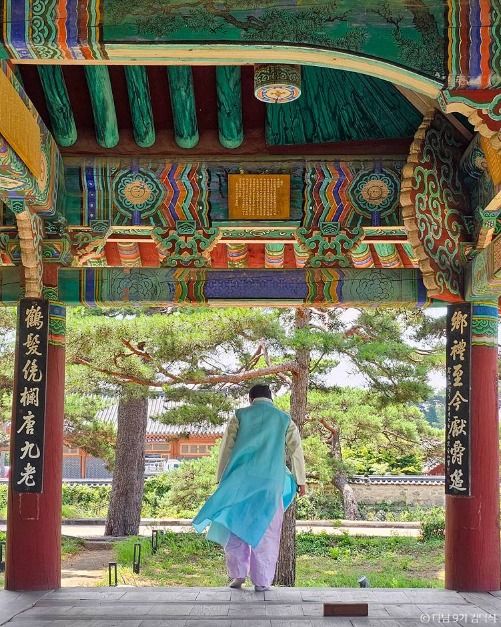
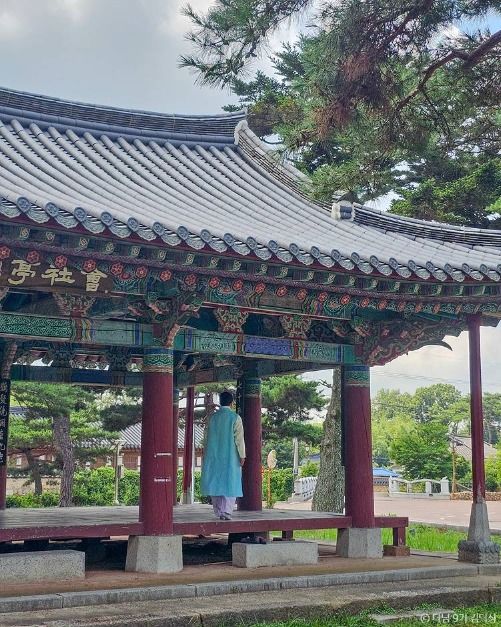
Jukjeong Seowon is located in a quiet area of Seohojeong village, Gunseo-myeon, Yeongam-gun. It was established in 1681 to enshrine Park Seong-geon, and later also enshrines Park Gwon, Park Gyu-jeong, Lee Man-seong, and Park Seung-won, with a total of five ancestral tablets currently worshipped. Park Seong-geon was an important figure in Korean literary history who wrote 'Geumseongbyeolgok', served as Jangsu-hyeon-gam, and returned to his hometown Gurim to dedicate himself to educating his descendants and promoting local culture. He was widely respected among scholars. The seowon was closed in 1868 due to the Daewon-gun's seowon abolition order but was restored in 1961 and remains to this day. The current buildings include a three-room shrine with a gable roof, a lecture hall, Joyangjae Yeongdang, and Hwasujeong. (Source: Yeongam-gun Culture and Tourism)
왕인박사유적지는 구림마을의 동쪽 문필봉 기슭에 자리잡고 있으며 왕인이 새롭게 조명되면서 그의 자취를 복원해 놓은 곳이다. 왕인묘(사당)·내삼문(內三門) ·외삼문 ·문산재(文山齋) ·양사재(養士齋) ·전시관 ·왕인상 ·책굴 등으로 이루어져 있다.
풍부한 자연 관광자원 및 역사문화 자원을 보유하고 있는 성기동 관광지는 1986년 6월 23일 국민 관광지로 지정되었다. 지구 내에는 왕인 박사 유적지와 함께 탄생지, 문산재, 양자재, 돌정고개, 상대포, 회사정 등 왕인박사 관련 관광자원이 있다.
Good places to stop and rest after the course

Booking and payment continue on a partner site.
Check rooms & price
Booking and payment continue on a partner site.
Check rooms & price
Booking and payment continue on a partner site.
Check rooms & price
Booking and payment continue on a partner site.
Check rooms & priceSign up to feature your channel.
(As a member, you can add your Instagram, YouTube, and blog links in My Page, and we’ll show them with every comment you write.)
““Stayed near Hongdae and did a night café tour. Perfect city views and vibes.””
Guest comments do not display social media links or profile cards.
Share a short tip about this place.
Or leave a quick comment as a guest.
Photo attachments are available after login.
No reviews yet. Be the first to share your experience!