
One day field trip course in Yangju Gyeonggi do in Gyeonggi-do Yangju City · schedule Other · distance 76.3km · 6 stops · highlights 필룩스 조명박물관, Yangju H…

This is an experiential learning travel destination in Yangju, where the urban population is increasing. It is close to the city center, and as the number of residents in Yangju grows, there are more attractions and entertainment options. It is an enjoyable course introducing cultural heritage sites and facilities suitable for doing with children.
This course is a sample one-day itinerary. Save it as-is or expand it into an AI itinerary.
인류의 조명역사를 한눈에 살펴볼 수 있는 조명박물관이 문을 열었다. 토기등잔, 나무등가, 유기촛대, 남포등을 비롯한 과거 조명기구와 에디슨의 백열전구, 각종 백열등, 형광등의 근현대조명, 미래조명인 감성조명까지 다양한 조명문화가 펼쳐진다.
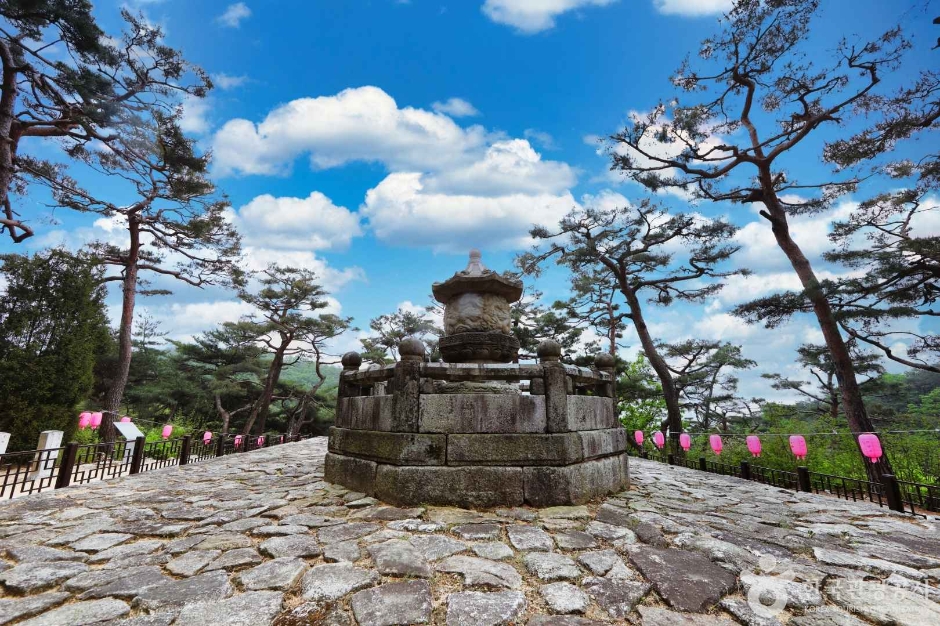
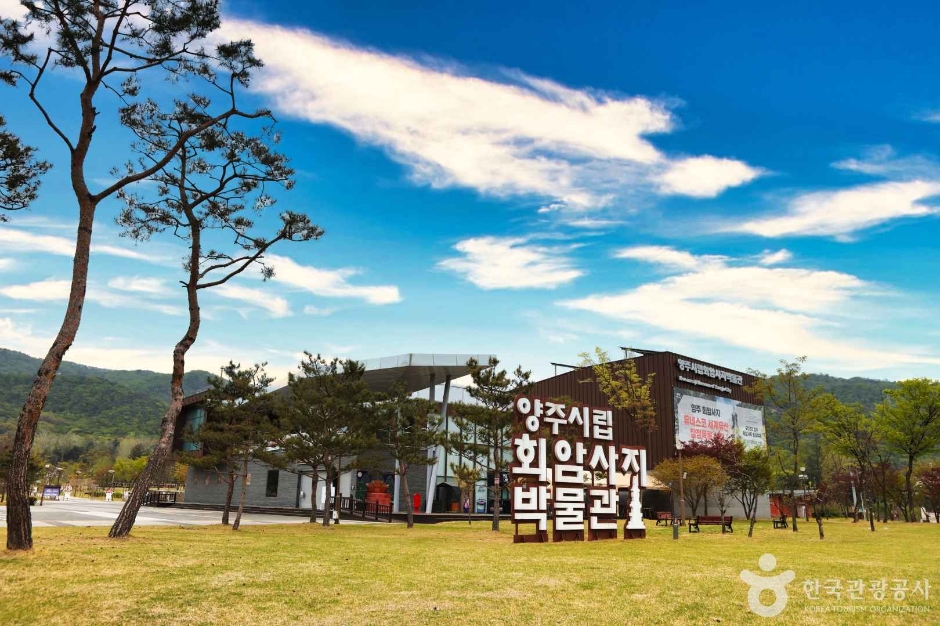
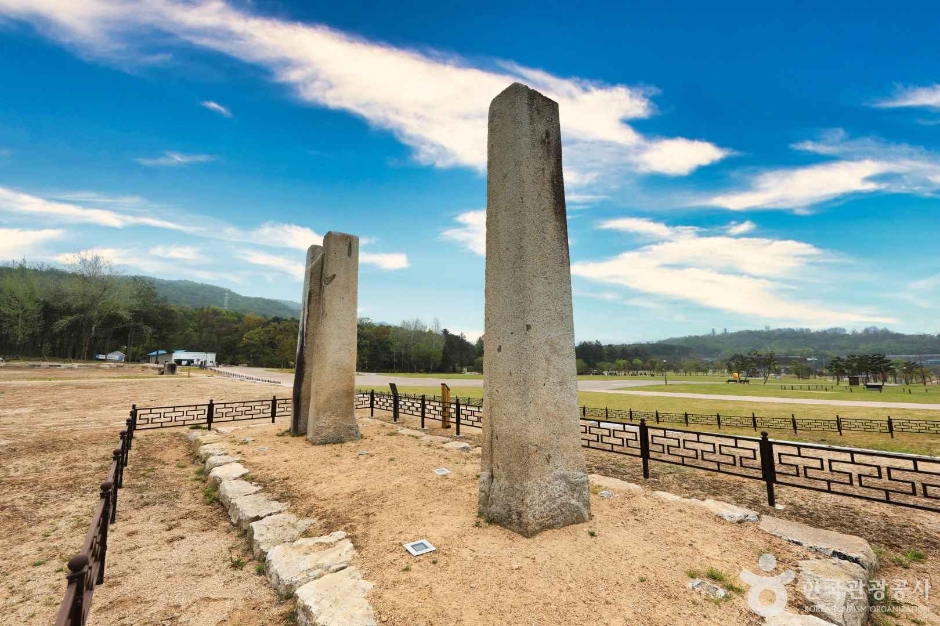
Yangju Hoeamsaji near Yangju Okjeong New City is the largest royal temple and a representative Seon Buddhist temple site from the late Goryeo to early Joseon periods. Its founding is estimated to be in the 12th century based on records. In the 14th century, Naong Seonsa restored it following the teachings of Jigong Seonsa, an Indian monk who stayed at Hoeamsa spreading Buddhism during late Goryeo. In the Joseon era, Muhak Daesa resided here, and Taejo Yi Seong-gye visited frequently and stayed here after abdicating as Retired King. Afterwards, Prince Hyoryeong, Queen Jeonghui (wife of Sejo), and Queen Munjeong (wife of Jungjong) carried out large-scale Buddhist constructions, making it the finest temple in the nation. Until the 17th century, it was the center of Joseon royal Buddhism, housing ancestral tablets for kings and queens in a royal shrine, but was later abandoned due to anti-Buddhism policies and unexplained fires shortly after Queen Munjeong's death. Excavations have revealed palace architectural elements and the style of a 13th–14th century East Asian Seon temple, with numerous precious artifacts such as roof tiles and ceramics used exclusively by the royal family. The site contains the steles and tomb pagodas of Jigong, Naong, and Muhak, including the Treasure-designated Muhak Daesa Pagoda and twin lion stone lantern in front, built by Taejo Yi Seong-gye during Muhak’s lifetime, regarded as the finest pagoda masterpieces of early Joseon. The Seongakwangsa stele from 1377 (Goryeo Uwang 3rd year) is a valuable calligraphy piece, damaged in the 1997 Cheonbosan wildfire; the original is kept at the Central Buddhist Museum, with a replica displayed on the original turtle base at the site. From the Hoeamsaji observatory, over 10,000 pyeong of space reveal eight terraces with some 70 temple sites, including about 40 buildings equipped with ondol heating. The entrance road has the Yangju Municipal Hoeamsaji Museum displaying excavated artifacts. It is about a 4-minute drive from Songchu IC. Nearby are Jangheung Tourist Attractions (Cheongam Folk Museum, Ghana Art Center, Duriland, Yangju Jang U-jin Museum of Art, Yangju Min Bok-jin Museum of Art, Songam Space Center, Jangheung Native Botanical Garden), Songchu Amusement Park, Ilyeong Amusement Park, Bukhansan National Park, National ASEAN Forest Recreation Area, Philux Lighting Museum, and Hoeamsaji.
일반음식점과 달리 20년 전통의 휴식공원식 패밀리 레스토랑이다. 약 만여점의 민속생활 용품들이 전시되어 있고, 각 테마관에는 테마별로 인형들이 그 모습을 재현하고 있어서 재미를 더한다.
청암민속박물관은 야생식물원과 박물관 그리고 체험관으로 이루어져 있다. 약 12,000여점의 민속생활용품과 수백종류의 야생화단지를 견학하고 민속놀이인 그네타기, 널뛰기, 윷놀이, 투호놀이 등 다양한 민속체험이 있으며 피자성 효인방이 있어 피자만들기체험도 할 수 있다.
Yangju Hyanggyo was a local educational institution that cultivated many Confucian scholars after being established in the first year of King Taejong of Joseon (1410). It was completely destroyed during the Japanese invasions of 1592 and rebuilt in 1610 but was again lost in the Korean War of 1950. After the war, Confucian scholars first restored the Daeseongjeon and later, in 1984, restored the Myeongryundang, maintaining its current form. Yangju Hyanggyo enshrines memorial tablets of 18 virtuous Confucian scholars from ancient Chinese Five Stars and Song Dynasty Two Sages to those of Silla, Goryeo, and Joseon, commemorating their virtues.
Located near Jangheung Tourist Site, Yangju Onneung is the tomb of Queen Dangyeong Shin (1487–1557), the first queen consort of the 11th Joseon king Jungjong, who was deposed shortly after his coup by opposing officials. The current Onneung was newly established in 1739 when Queen Dangyeong was posthumously reinstated, covering about 66,000 pyeong. Designated Historic Site No. 210 and listed as a UNESCO World Heritage site in 2009, visitors can honor her life and enjoy both history and nature. It was originally closed to the public as it lies within a military protection zone but has been open since November 2019 thanks to efforts by the Cultural Heritage Administration and Yangju City. Queen Dangyeong was the daughter of Shin Sugun and Lady Han of Cheongwon, married Crown Prince Jinseong in 1499 (Yeonsangun 5), and became queen when Jinseong ascended the throne as King Jungjong in 1506 after the Jungjong coup. However, as her aunt was King Yeonsangun’s queen and Shin Sugun opposed the coup and was killed, she was deposed after seven days under pressure from the coup leaders. Her tomb was originally built in her paternal Geochang Shin clan burial ground but was relocated and renamed Onneung in 1739 (Yeongjo 15), with her ancestral tablet enshrined in Jongmyo Shrine. Following the royal tomb customs for posthumous queens such as Jeongneung and Sareung, the tomb area includes a Hong-sal gate, Panwi stone slab, incense burner, fish-shaped water spout, Jeongjagak shrine, and memorial stele pavilion. The tomb faces due south and the burial mound is surrounded by a stone fence with stone statues of civil officials, stone horses, lanterns, soul stones, mourning stone posts, and paired stone sheep and tigers placed behind it. Unlike typical tombs which have two pairs of folding screen stones and stone railings around the mound, Onneung has reduced or omitted these elements as it was posthumously designated. It is about a 4-minute drive from Songchu IC. Nearby are Jangheung Tourist Site (Cheongam Folklore Museum, Ghana Art Center, Duriland, Yangju City Jang Ukjin Art Museum, Yangju City Min Bokjin Art Museum, Songam Space Center, Jangheung Native Arboretum), Songchu Recreation Area, Ilyeong Recreation Area, Bukhansan National Park, National ASEAN Forest Recreation Area, Philux Lighting Museum, and Hoeamsa Temple Site.
Good places to stop and rest after the course

Booking and payment continue on a partner site.
Check rooms & priceSign up to feature your channel.
(As a member, you can add your Instagram, YouTube, and blog links in My Page, and we’ll show them with every comment you write.)
““Stayed near Hongdae and did a night café tour. Perfect city views and vibes.””
Guest comments do not display social media links or profile cards.
Share a short tip about this place.
Or leave a quick comment as a guest.
Photo attachments are available after login.
No reviews yet. Be the first to share your experience!



![Yangju Onneung [UNESCO World Heritage] 1](https://tong.visitkorea.or.kr/cms/resource/10/757410_image2_1.jpg)
![Yangju Onneung [UNESCO World Heritage] 2](https://tong.visitkorea.or.kr/cms/resource/11/757411_image2_1.jpg)
![Yangju Onneung [UNESCO World Heritage] 3](https://tong.visitkorea.or.kr/cms/resource/12/757412_image2_1.jpg)
![Yangju Onneung [UNESCO World Heritage] 4](https://tong.visitkorea.or.kr/cms/resource/72/2643172_image2_1.jpg)

