Walking Gounsa Forest Trail and Tasting Apple Wine in Gyeongsangbuk-do Uiseong County · schedule Other · distance 10.6km · 3 stops · highlights Gounsa T…

Gounsa is a thousand-year-old temple built following the pen name of Goun Choe Chi-won, known for its beautiful path leading to the temple grounds. The path to Gounsa continues through a trail between forests, making it ideal for a peaceful walk. There is also a separate thousand-year-old pine forest experience trail, perfect for fully enjoying the forest. It is an excellent place for healing with the cozy forest trail and the subtle apple wine.
This course is a sample one-day itinerary. Save it as-is or expand it into an AI itinerary.
※ Due to a forest fire in March 2025, some buildings such as Yeonsujeon and Gawunru were completely destroyed, so please take this into consideration before visiting. Gounsa Temple was founded in 681 by Monk Uisang. Originally called Gounsa (高雲寺), about 200 years later it was renamed Gounsa (孤雲寺) after Goun Choe Chi-won, who practiced asceticism here and built Gawunru and Uhwaru, adopting his pen name. It was repaired several times during the Joseon Dynasty. During the Japanese invasions of Korea (Imjin War), it served as a forward base for Buddhist soldiers under Monk Samyeong, storing food and caring for the wounded, and during the Japanese colonial period, it was one of 31 headquarters nationwide, flourishing as a center of patriotic Buddhism. Within the temple grounds are buildings such as Daeungjeon, Geungnakjeon, Gwaneumjeon, Geumgangmun, Uhwaru, and Gogeumdang. Important cultural assets include the Uiseong Gounsa Stone Buddha, Gounsa Three-story Stone Pagoda, Gounsa Gawunru, and Uiseong Gounsa Yeonsujeon. The temple offers experience programs including templestay and temple food experiences. Templestay includes a free program called Heart-Pounding Templestay to relieve the stress of exam students, a Youth Healing Camp for university students, and the Mind Forest Path program with Buddhist services, tea talks with monks, and walking meditation for rest. The temple food experience is conducted at the Gounsa Temple Food Experience Center under the guidance of monks preserving the culinary traditions. The temple food program consists of classes including temple food, beginner, short-term, fermented food experience, and one-day courses.
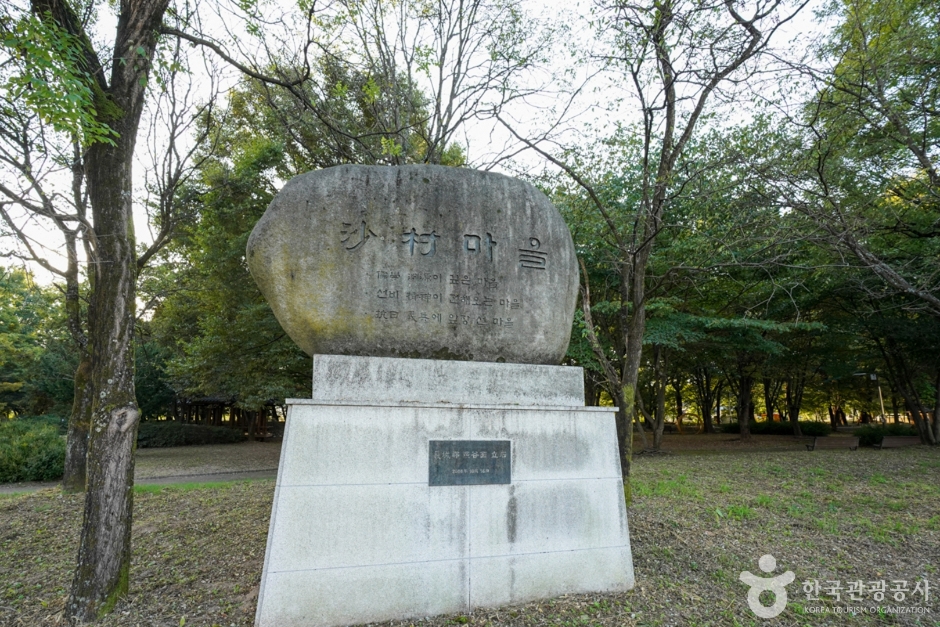
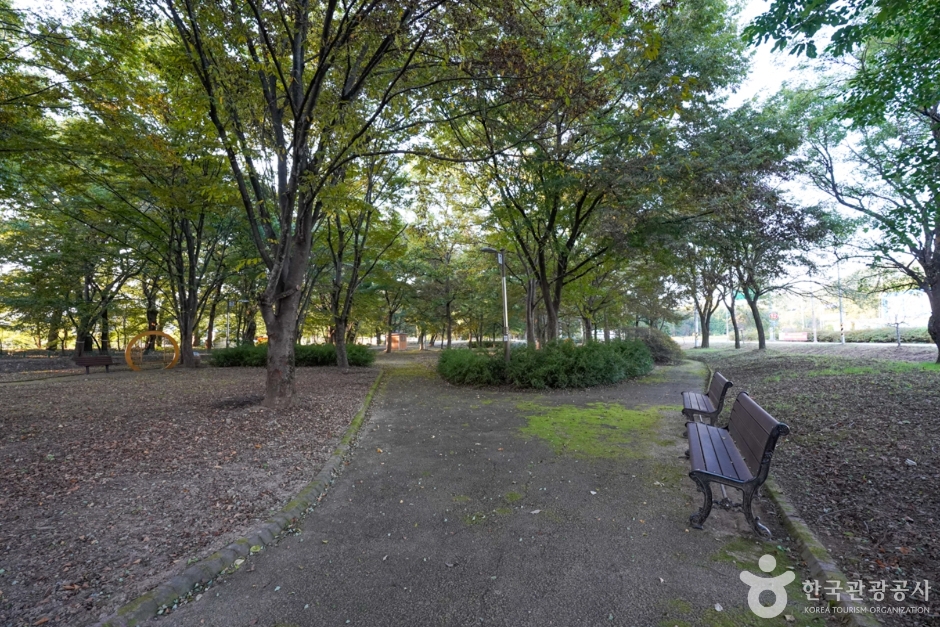
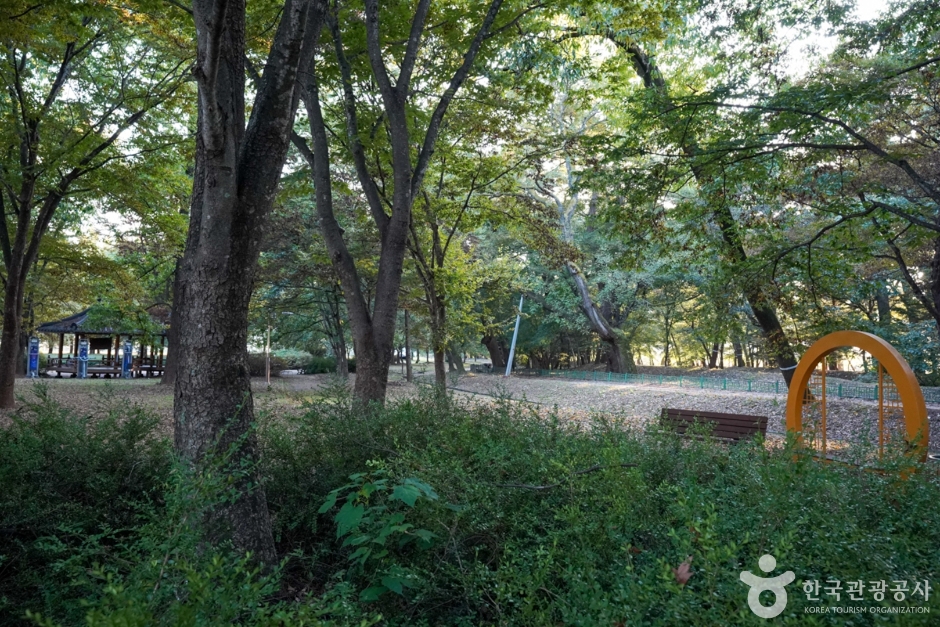
The natural monument Sachon-ri Tree-lined Forest in Uiseong's Sachon Village originated when Kim Jacheom of the Andong Kim clan moved here from Andong and created a windbreak forest to block the westward winds blowing across the flat land west of the village. The site embodies the feng shui belief that a lack of protection from the west results in a lack of notable people, as well as the wisdom of ancestors who aimed to protect their living space from cold west winds. Also called Seorim because the forest is located in the west, the forest mainly consists of oak species such as Chinese hackberry and sawtooth oak. The trees were planted when the village was established, and some have aged up to 600 years.
Sachon Village, a northern village in Uiseong known for many virtuous scholars, is a clan village of the Andong Kim and Pungsan Ryu families. The name Sachon Village is said to come either from the fertile land formed by alluvial deposits in the surrounding gorge or from Kim Jacheom, a descendant of the Goryeo loyalist Kim Bang-gyeong, who settled here in 1392 and named it after the Chinese Sachon Village. Though it appears to be an ordinary rural village, it is a representative yangban village in Uiseong, producing over 40 successful candidates in state examinations, including Kim Sa-won and Ryu Seong-ryong. It is historically significant as a center of militia activity during the Imjin War and Japanese invasions. Most of the village was burned during the Imjin War, so most of the remaining traditional houses date back about 100 years. Visitors can see about 30 traditional houses, including Manchwidang, built in 1585 by Kim Sa-won to cultivate scholarship and educate juniors. To improve the terrain, the Sachonri street forest was planted by Kim Jacheom when he relocated here; he believed that if the west was open, no distinguished figures would emerge, so about 500 windbreak trees were planted to block the west wind, now designated a natural monument. This forest serves not only as a windbreak but also attracts visitors with its beautiful scenery and seasonal charm. Additionally, there is the Uiseong Militia Memorial Hall, built to commemorate the militia's resistance and their spirit of sacrifice for the country, as well as the Sachon Village Observatory, which offers panoramic views of the village.
Good places to stop and rest after the course

Booking and payment continue on a partner site.
Check rooms & price
Booking and payment continue on a partner site.
Check rooms & price
Booking and payment continue on a partner site.
Check rooms & priceSign up to feature your channel.
(As a member, you can add your Instagram, YouTube, and blog links in My Page, and we’ll show them with every comment you write.)
““Stayed near Hongdae and did a night café tour. Perfect city views and vibes.””
Guest comments do not display social media links or profile cards.
Share a short tip about this place.
Or leave a quick comment as a guest.
Photo attachments are available after login.
No reviews yet. Be the first to share your experience!