
Walking Hwaseong Fortress following King Jeongjo’s heart in Gyeonggi-do Suwon City · schedule Other · distance 7km · 3 stops · highlights 수원화성박물관, Hwase…
The fortress trail of Suwon Hwaseong offers travelers the excitement of walking through an extensive history. Begin with visits to the Suwon Hwaseong Museum and Hwaseong Haenggung Palace, where you can clearly see everything about Hwaseong as a UNESCO World Cultural Heritage. Then, embark on a full walk around Suwon Hwaseong. It is recommended to walk slowly while thinking of King Jeongjo's dream for his people and country.
This course is a sample one-day itinerary. Save it as-is or expand it into an AI itinerary.
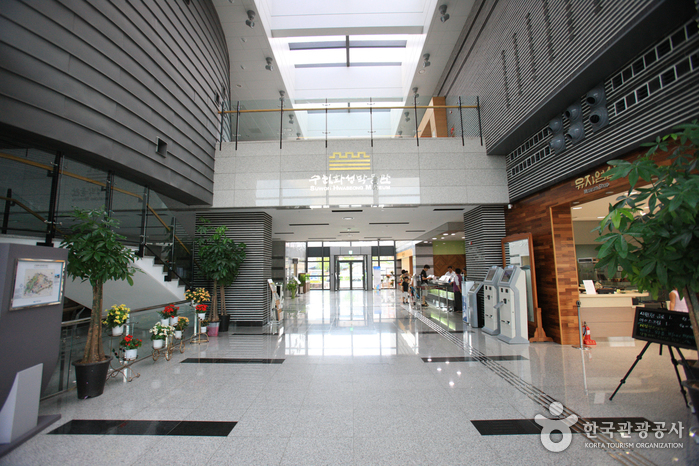
수원화성박물관은 세계문화유산 화성의 역사와 문화를 총체적으로 보여줄 수 있으며, 화성을 찾는 방문객에게 보다 효과적이고 체계적인 안내와 정조 시대 문화융성의 모습, 더불어 화성의 우수성을 알려주는 전문박물관이다. 화성박물관은 수원신도시 건설과 화성을 축성한 정조(正祖)의 사상과 정신을 포함하여 화성 축성에 참여한 인물, 화성에 주둔했던 장용영(壯勇營)군사, 그리고 정조의 8일간의 화성행차를 통해 각종 문화행사를 모형과 유물을 통하여 전시하고 있다.
Haenggung was a temporary residence used by King Jeongjo when he traveled to Hyeonryungwon, larger and more magnificent than any other haenggung, and was highly utilized, even being called a 'secondary palace' of Gyeongbokgung. Between the 18th and 20th years of Jeongjo's reign, Hwaseong Fortress was built and Haenggung was established on the east side of Paldal Mountain, which was normally used as the magistrate's office (now city hall). Hwaseong is connected by four gates: Changryongmun (east), Hwaseomun (west), Paldalmun (south), and Janganmun (north). Due to excellent architecture, it was designated a World Heritage Site and is also recognized as Korea's first example of new town development. King Jeongjo of the 22nd Joseon dynasty moved his father Crown Prince Sado's tomb to Suwon (present-day Hwaseong City), considered the best site at the time, after his tragic death, and relocated residents around the tomb to the current location below Paldal Mountain while constructing the city and fortress. Experiences such as Hwaseong Korean archery, ringing the Hyoewon bell atop Paldal Mountain, and various traditional cultural activities at the Haenggung help people engage with our heritage in a multi-dimensional way. Additionally, visitors can try on Dae Jang Geum costumes, stamp wish-achievement trees, and participate in other diverse experiences.
Suwon Hwaseong is a fortress completed in September 1796 by King Jeongjo, the 22nd king of the Joseon Dynasty, out of filial piety for Crown Prince Sado by relocating his father's tomb to Hwaseong Fortress in Suwon. King Jeongjo, who was appointed crown prince but never ascended to the throne due to factional strife and died inside a wooden rice chest, moved his father Sado’s tomb from Baebongsan in Yangju to Hwaseong Fortress, considered the best geomantic site in Joseon, and relocated the nearby town to its current place under Paldal Mountain in Suwon. The fortress was built not only as an expression of filial piety but also as the political center of King Jeongjo's grand ambitions to eradicate factional politics and establish strong royal authority, and it served as a southern capital defense fortress. Unlike those found in China or Japan, Suwon Hwaseong is a flatland fortress combining military defense and commercial functions, known as the pinnacle of Eastern fortress architecture for its scientifically rational and practical structural design. (Source: Suwon Cultural Foundation website)
Good places to stop and rest after the course

Booking and payment continue on a partner site.
Check rooms & priceSign up to feature your channel.
(As a member, you can add your Instagram, YouTube, and blog links in My Page, and we’ll show them with every comment you write.)
““Stayed near Hongdae and did a night café tour. Perfect city views and vibes.””
Guest comments do not display social media links or profile cards.
Share a short tip about this place.
Or leave a quick comment as a guest.
Photo attachments are available after login.
No reviews yet. Be the first to share your experience!


![Suwon Hwaseong [UNESCO World Heritage] 1](https://tong.visitkorea.or.kr/cms/resource/23/2613023_image2_1.jpg)
![Suwon Hwaseong [UNESCO World Heritage] 2](https://tong.visitkorea.or.kr/cms/resource/26/2613026_image2_1.jpg)
![Suwon Hwaseong [UNESCO World Heritage] 3](https://tong.visitkorea.or.kr/cms/resource/27/2613027_image2_1.jpg)
![Suwon Hwaseong [UNESCO World Heritage] 4](https://tong.visitkorea.or.kr/cms/resource/29/2613029_image2_1.jpg)