Meeting Siheung’s highlights where rice was first grown in Gyeonggi-do Siheung City · schedule Other · distance 16.9km · 4 stops · highlights Gwangokji,…

Siheung, adjacent to the sea, has many interesting exploration spots. In particular, Gwangokji is the origin of lotus cultivation in Korea, and its beauty reaches its peak when white lotuses are in full bloom in midsummer. The Gaetgol extending to the sea of Incheon was once the Sorae salt farm, where various tidal flat creatures such as mud crabs, fiddler crabs, and seepweed inhabit, making it a great place to visit with children. Don't miss the grilled clams on Oido.
This course is a sample one-day itinerary. Save it as-is or expand it into an AI itinerary.
Gwangokji is a pond from the Joseon Dynasty era of King Sejo located in Hajung-dong, Siheung-si, Gyeonggi-do, and is privately owned and managed by the family of Kwon Man-hyeong (Sahumbeo Inspector), the son-in-law of scholar Gang Huimaeng. Gang Huimaeng (1424–1483), a scholar and agricultural scientist of the early Joseon period, brought lotus seeds from Ming China and planted them here, which widely spread and led to the area being called ‘Yeonseong,’ meaning the lotus village. The names of Yeonseong Elementary and Middle Schools in Siheung, Yeonseong-dong, and Siheung City’s local cultural festival Yeonseong Cultural Festival all originate from this pond. The record “Yeonjisajeok,” about the lotuses at Gwangokji, describes Jeondanghong, the lotus species planted by Gang Huimaeng, which exactly matches the lotus flowers admired here every summer, indicating the preservation of its unique variety. Jeondanghong is a white lotus characterized by white petals that are pointed with only the tips showing pale pink, and it blooms from June through August each year. To honor the symbolism and historicity of Gwangokji, a lotus theme park covering about 26,000 pyeong was created in the surrounding fields, where water lilies blooming from spring to late autumn and various lotus flowers blooming under the summer sun attract many visitors.
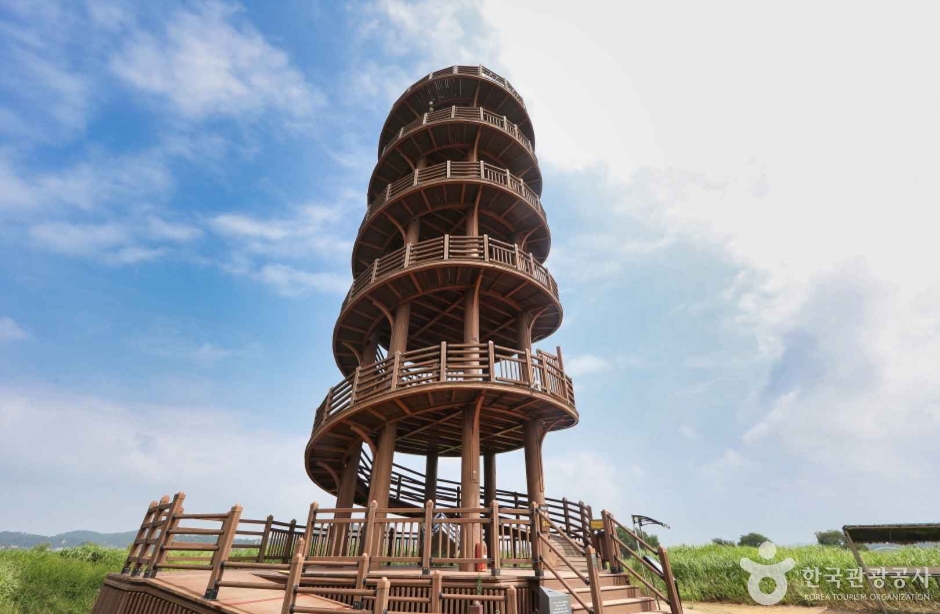
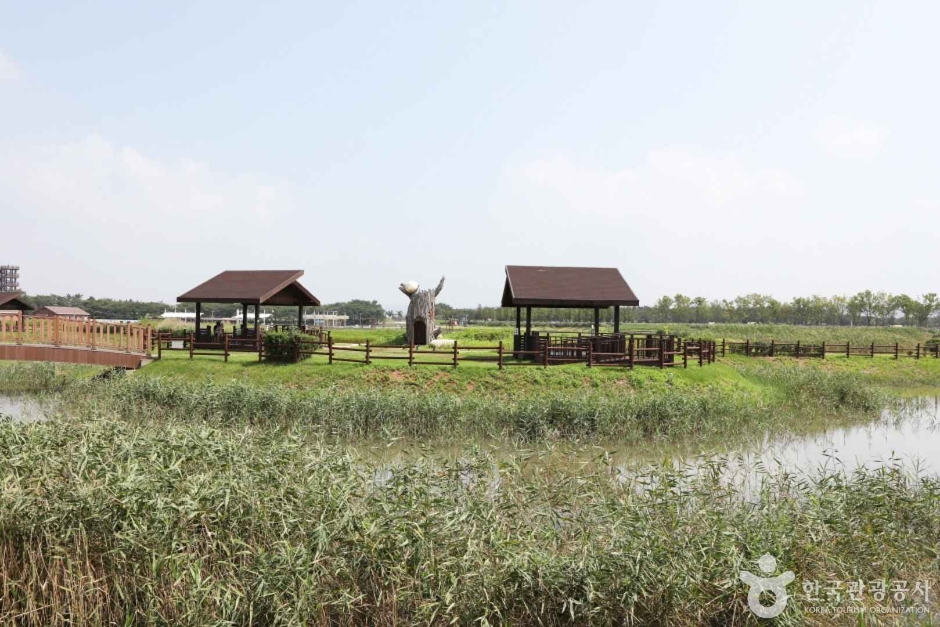
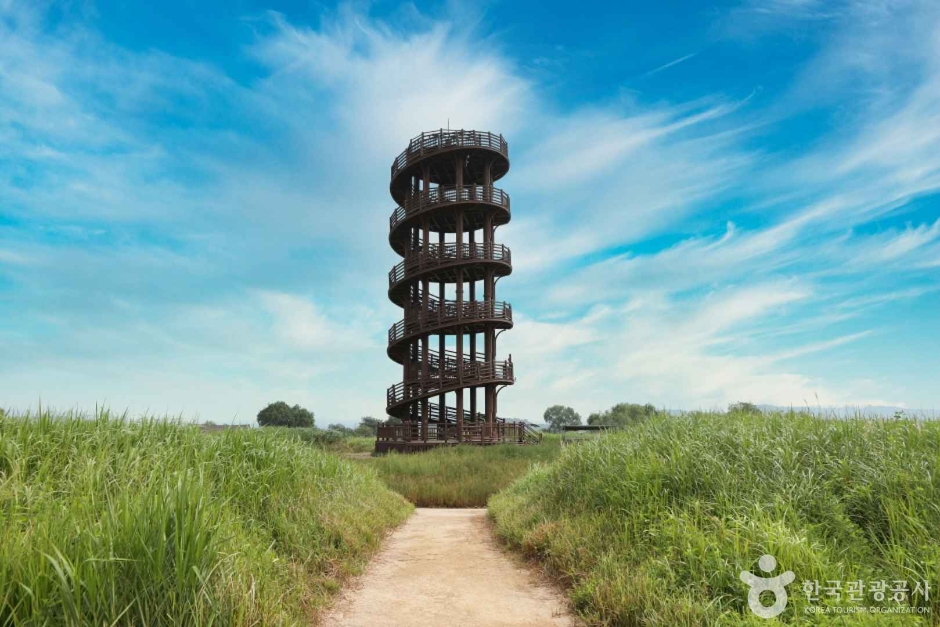
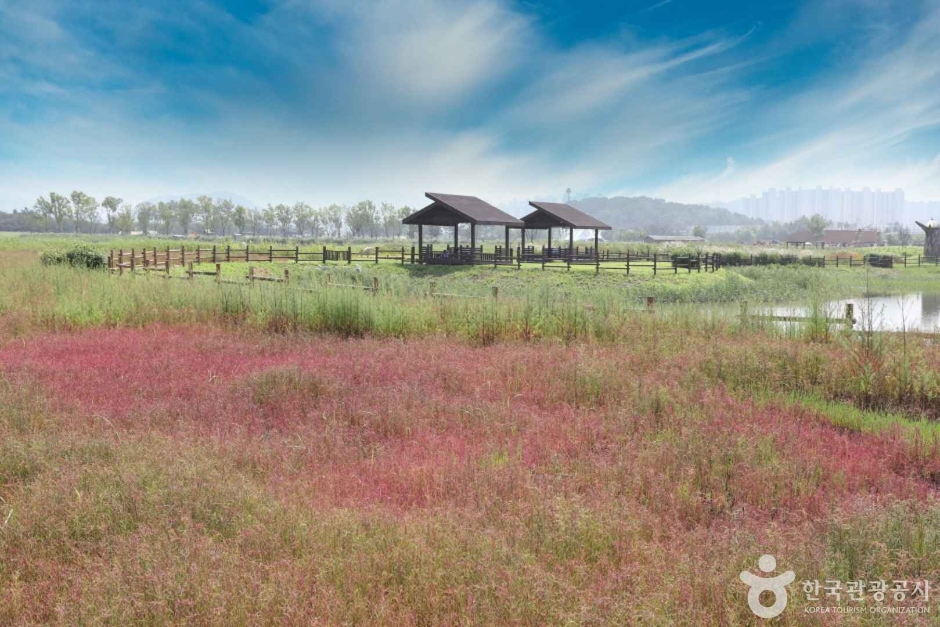
Gaetgol Ecological Park is a wetland formed by a deep inner bay mudflat on a 1.5 million pyeong site of abandoned salt fields. It was created by utilizing the natural ecological resources of the inner bay Gaetgol and the cultural heritage of the old salt fields, serving as a treasure trove where nature's ecology breathes and providing a green, eco-friendly park where nature and people coexist, offering rest to citizens. The Gaetgol waterway shows a significant tidal range characteristic of the west coast, and the Gaetgol and grassland communities here exhibit a rare distribution of diverse species. The old salt field site and salt warehouses carry traces of disappearing coastal culture. Saline plants such as Salicornia, Atriplex, and Suaeda maritima can be observed here, along with various animals including the red-clawed fiddler crab and mud crab. Siheung Gaetgol is rated a top ecological environment area in Siheung-si due to its beautiful scenery and ecological excellence, and was designated a national marine wetland protection area in February 2012.
Okgudo was a barren area restricted to civilians until early 1998 due to coastal posts, but Siheung-si utilized public work participants to create Okgugongwon around the family Okgudo area for residents of the metropolitan area. This park allows viewing of the sunset over the West Sea from the top of Okgudo and features hiking trails, cooking zones, an outdoor stage, a rose garden, and a hibiscus hill.
Oido is a non-island island located on the southwest coast of Siheung-si, known as a tourist destination rich in various shellfish and marine life. It is an important historic site designated as a national monument, with archaeological remains from various periods, including the Neolithic era, excavated multiple times. During the Joseon Dynasty, it was called 'Ojlido (吾叱耳島)' and 'Ojiaedo (吾叱哀島).' Surrounded by the sea on three sides, visitors can enjoy the scent of the waves at high tide, observe the lively marine creatures at low tide, and experience beautiful sunsets in the evening, making it a famous spot in Siheung.
Good places to stop and rest after the course

Booking and payment continue on a partner site.
Check rooms & priceSign up to feature your channel.
(As a member, you can add your Instagram, YouTube, and blog links in My Page, and we’ll show them with every comment you write.)
““Stayed near Hongdae and did a night café tour. Perfect city views and vibes.””
Guest comments do not display social media links or profile cards.
Share a short tip about this place.
Or leave a quick comment as a guest.
Photo attachments are available after login.
No reviews yet. Be the first to share your experience!