Finding comfort along the trail in Gangwon Special Self-Governing Province Pyeongchang County · schedule Other · distance 39km · 3 stops · highlights Ba…

Odaesan National Park stretches across Pyeongchang-gun, Hongcheon-gun, and Gangneung-si, but the Pyeongchang side course is by far the most famous. The Woljeongsa Fir Tree Forest Road, counted among Korea's three great fir forests, and the Seonjae Trail ascending from Woljeongsa to Sangwonsa offer the joy of walking travels. Especially in autumn, the colorful leaves turning various shades add to the beauty. Bangadari Mineral Spring, rich in carbonic acid and iron, is nationally renowned; the path to the spring is lined with fir trees, making it even more special.
This course is a sample one-day itinerary. Save it as-is or expand it into an AI itinerary.
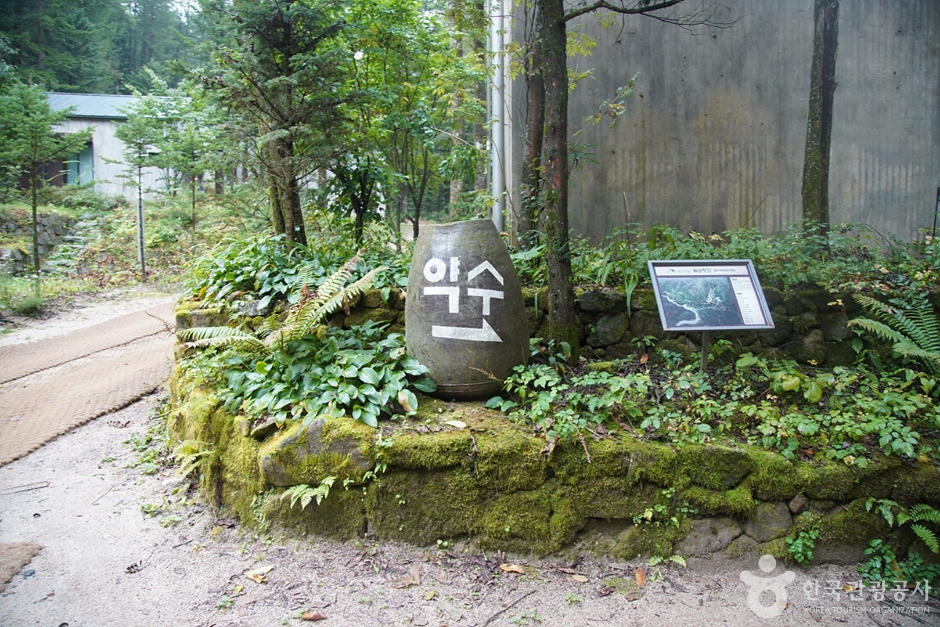
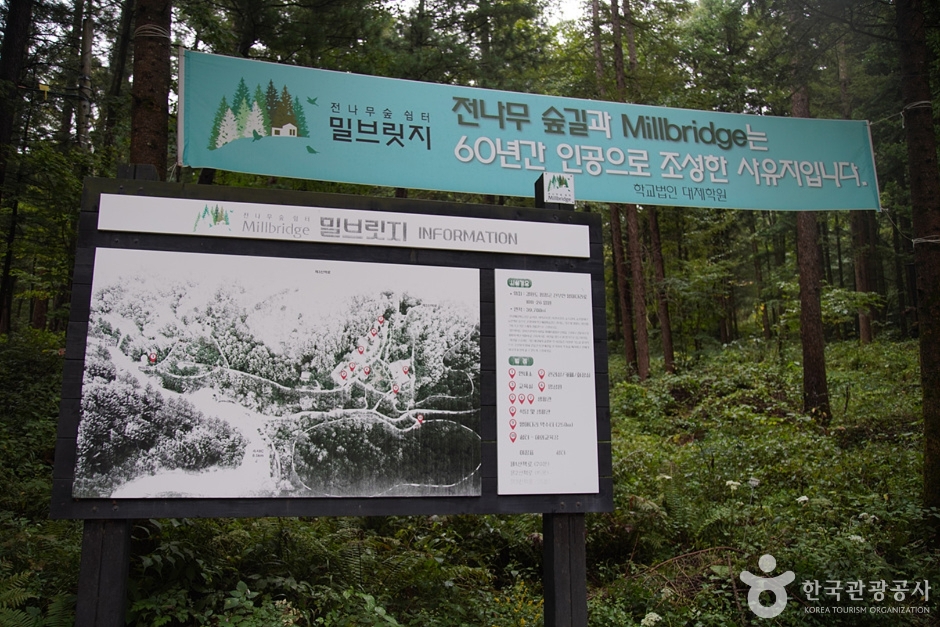
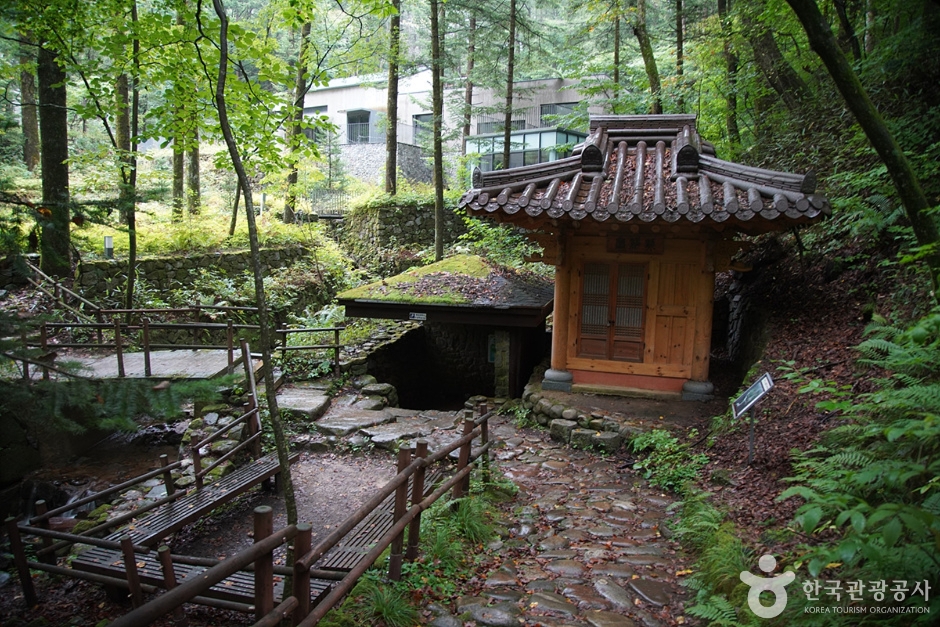
Bangadari Mineral Spring is a mineral spring located inside the mill bridge in Odaesan National Park, Pyeongchang-gun. After paying an entrance fee at the mill bridge entrance, you can reach Bangadari Mineral Spring by walking about 10 minutes along a fir forest path full of fir and larch trees. Bangadari Mineral Spring was discovered during the Joseon Sukjong era and was designated as one of Korea's famous waters in June 1987. The spring water contains over 30 types of minerals including carbonic acid and iron; the iron, present in large amounts, is said to be effective for stomach diseases, skin diseases, neuralgia, and anemia. According to legend, an old man suffering from illness came to live here and, after receiving a message in a dream from the mountain spirit to "dig where you are lying," unearthed clear water that gushed from underground. Upon drinking the water, the old man's mind cleared, his vitality was restored, and his illness was miraculously cured. Also, the shape of the area around the spring resembles the leg of a pounding mill, which is why it is called Bangadari Mineral Spring.
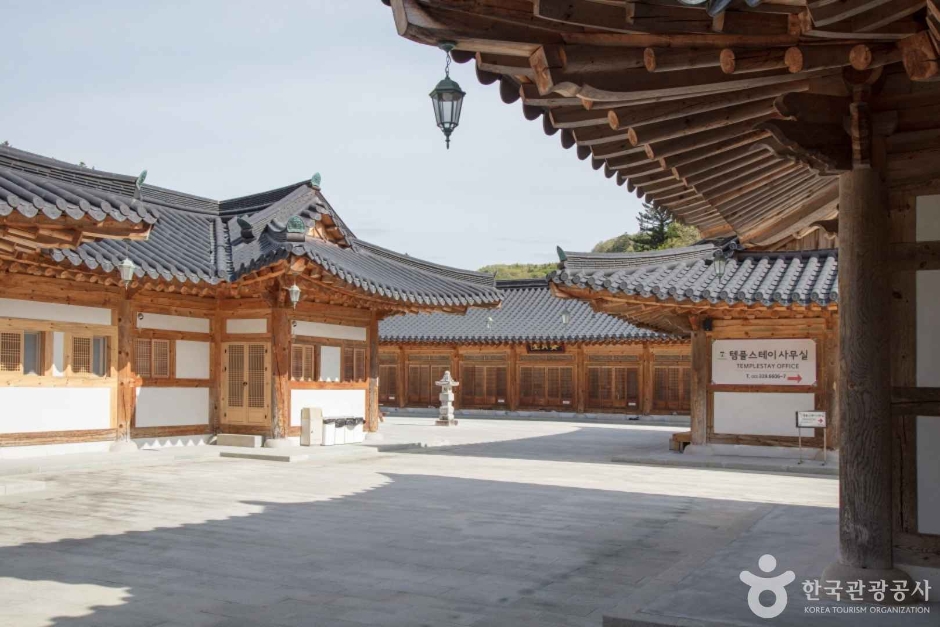
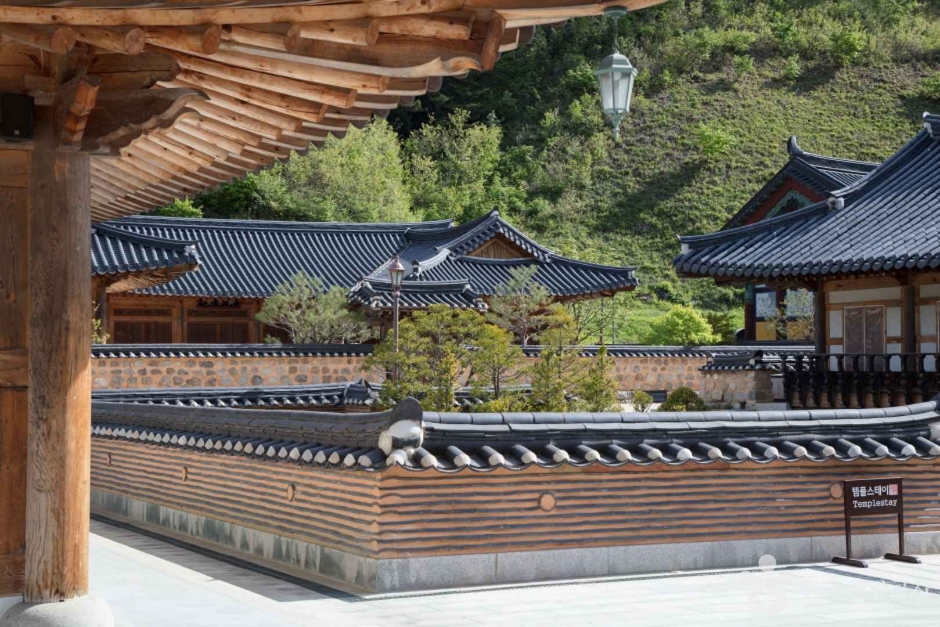
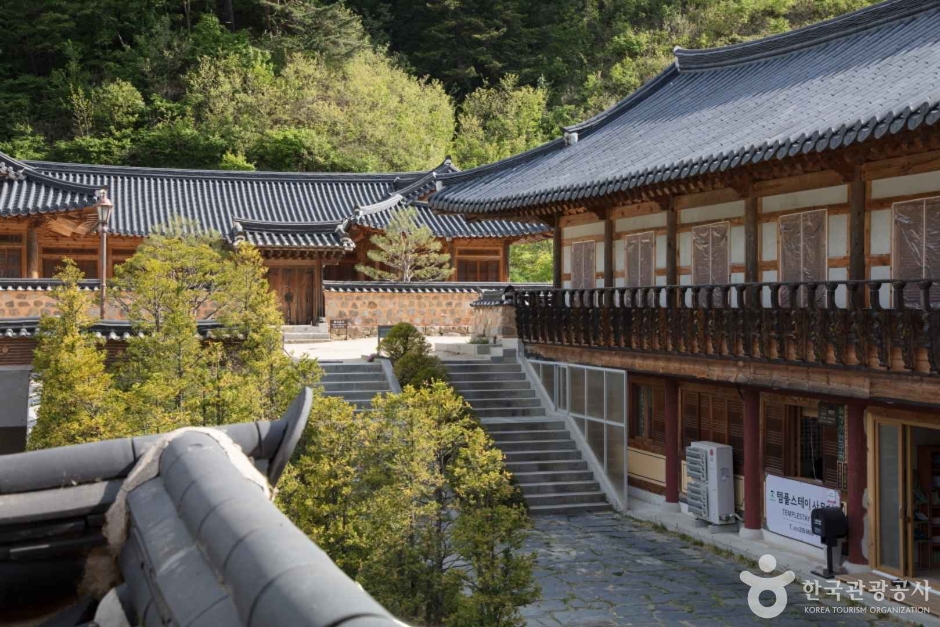
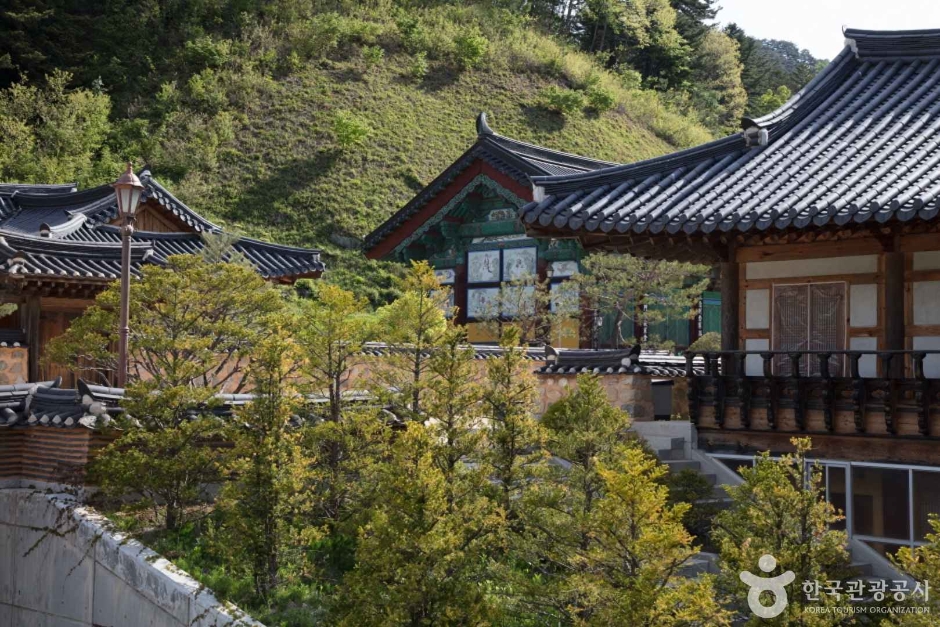
Woljeongsa Temple was founded in 643 (the 12th year of Queen Seondeok of Silla) by Monk Jajang on Odaesan, a mountain considered a Buddhist sacred site. It is the head temple of the Jogye Order's 4th district, overseeing more than 60 temples and about 8 hermitages, and holds numerous cultural assets such as the national treasure Eight-angled Nine-story Stone Pagoda, the treasure seated Stone Bodhisattva statue of Woljeongsa, and the wooden seated Manjusri statue. From the temple’s Iljumun gate to Geumgang Bridge, about 1 km, lies a fir forest with approximately 1,700 fir trees. The fir forest is a popular year-round tourist attraction representing the thousand-year-old Woljeongsa Temple, a must-visit spot. Woljeongsa offers temple stays divided into rest and experience types, allowing visitors to recharge body and mind away from the worldly life deep in the mountains. In addition, there is the Woljeongsa Ordained School for laypeople to experience monastic life. Also, Odaesan Meditation Village, shortened to OMV, covers about 99,170㎡ (roughly 14 soccer fields) with lodging, cultural experience facilities, restaurants, gardens, and forest trails, providing a natural retreat for those weary from work and competition to restore their mind and body through meditation. Furthermore, Woljeongsa operates the 9 km Seonjae-gil walking experience from Woljeongsa to Sangwonsa Temple and the Seon Meditation Yoga School with head monk Jeongnyeom and Indian yoga master Sohan.
Sangwonsa Temple is a thousand-year-old temple located near Woljeongsa, the head temple of the 4th district of the Jogye Order of Korean Buddhism. It is said to have been established by the monk Jajang during Queen Seondeok of Silla's reign, but in fact, it was rebuilt by King Seongdeok in 705 and was called Jinyeowon. It is the only temple in Korea enshrining a statue of Manjusri Bodhisattva and is famous for the story that King Sejo visited to cure a skin disease and was healed. The current temple was rebuilt after a fire in 1946, and except for the Yeongsanjeon Hall, no old buildings remain. It houses valuable cultural properties such as the national treasure bronze bell, the young Manjusri statue, the Manjusri Bodhisattva statue, and King Sejo's handwritten restoration petition. It is suitable for visiting along the 9 km Seonjae-gil trail starting from Woljeongsa.
Good places to stop and rest after the course

Booking and payment continue on a partner site.
Check rooms & priceSign up to feature your channel.
(As a member, you can add your Instagram, YouTube, and blog links in My Page, and we’ll show them with every comment you write.)
““Stayed near Hongdae and did a night café tour. Perfect city views and vibes.””
Guest comments do not display social media links or profile cards.
Share a short tip about this place.
Or leave a quick comment as a guest.
Photo attachments are available after login.
No reviews yet. Be the first to share your experience!