
Cool Even in Midsummer, Ice Valley Trip to Miryang in Gyeongsangnam-do Miryang City · schedule Other · distance 26.3km · 4 stops · highlights Gajisan Pr…
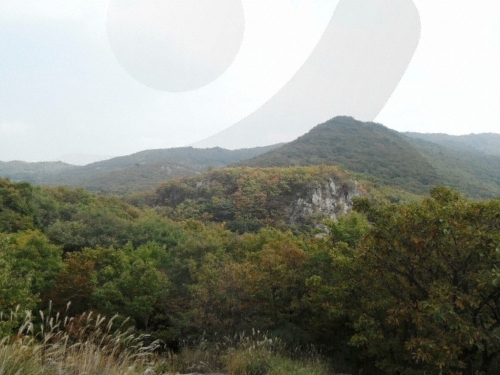
In the scorching summer, there is a cool place even in midsummer. Ice Valley located in Milyang, Gyeongsangnam-do. Around Ice Valley, you can experience the beauty of the mountain terrain and the culture of temples at Gajisan Provincial Park, as well as enjoy various experiences at Pyeongri Mountain Jujube Village. Let's take a trip to Milyang, where you can enjoy the beauty not only in summer but also in all four seasons!
This course is a sample one-day itinerary. Save it as-is or expand it into an AI itinerary.
Gajisan Provincial Park is located at the boundary of Sannae-myeon, Miryang-si, Gyeongsangnam-do; Sangbuk-myeon, Ulju-gun, Ulsan Metropolitan City; and Unmun-myeon, Cheongdo-gun, Gyeongsangbuk-do. The park, designated as a provincial park in November 1979, includes Gajisan and Yeongchuksan mountains commonly called the Yeongnam Alps, as well as the Cheonseongsan area. It is one of the largest among national provincial parks and is divided into the Seoknamsa and adjacent Yangsan-gun districts. Mountains such as Goheon, Gaji, Unmun, Cheonhwang, Ganwol, Sinbul, and Chwiseosan form a mountain range known as the Yeongnam Alps. Gajisan and Unmunsan lie on the Gyeongsangnam-do and Gyeongsangbuk-do border, with Gajisan being the highest among these ranges. Throughout Gajisan, rocky peaks and silver grass fields blend, allowing ridgeline traverses extending to Unmunsan. In autumn, the silver grass fields from Seoknam Pass to the summit create a spectacular view, and the unique rock formations including Ssailbawi (Rice Rock) attract hikers. The summit area has many rocky ridges and few trees, providing wide-open views. Nearby are Baegunsan Mountain, seemingly very close, and Hobakso pond, named for its pumpkin-like shape.
Ice Valley, once called Sirye Binggok from ancient times, is located in the open-air valley halfway up the north side of Jaeyaksan Mountain. Ice begins to form in early March when the earth's heat warms and usually remains until mid-July. After the hottest period of midsummer (Sambok), the cold air in the rock crevices gradually decreases by Chuseo (late August). In winter, the valley water does not freeze well; instead, warm vapor rises from the rock crevices, allowing ferns and mosses to stay vividly green, making it a mysterious area. From April, on clear days and hotter weather, more ice forms in the rock crevices, lasting longer. Recently, due to abnormal weather with more rainy days, the ice period has shortened, but cool breezes still blow chillingly at the valley entrance. The temperature of the frozen rock crevices averages about 0.2°C in summer, and the valley water averages 4–8°C, making it hard to keep feet submerged for more than two minutes. The terrain around Ice Valley features rock fields where ice forms, and towering cliffs spread like folding screens, creating a majestic scene that attracts many tourists.
Designated as Gyeongsangnam-do Monument No. 17, Pyochungsa Temple was named by the state to honor the loyal spirit of Saimyeongdaesa (四溟大師), who distinguished himself during the Japanese invasions of Korea (Imjin War). Although it was rebuilt in 1715 (41st year of King Sukjong's reign), most buildings except Eungjinjeon (應眞殿) were destroyed by fire in 1926 and later reconstructed to the present day. Main cultural properties and buildings include National Treasure No. 75, the Bronze Silver-incense Burner (靑銅含銀香), Treasure No. 467, the Three-story Stone Pagoda, as well as provincial cultural properties such as the Stone Lantern, Pyochung Seowon (表忠書院), and Daegangjeon (大光殿). There are 25 buildings and over 300 relics of Saimyeongdaesa preserved here.
Pyeongrisan Daechu Village is a village located below Miryang Dam, known for its scenic mountains and clear water flowing year-round, making it widely recognized as a naturally occurring recreational area. Designated as a green rural experience village, it has newly built hiking trails, lodging facilities, foot volleyball courts, and campsites to create conditions for an experiential village. The name Pyeongri of Pyeongri Village means a flat field village, and its specialty product is jujubes produced using eco-friendly farming methods. From late autumn, when most farming such as jujube harvesting is nearly finished, an experiential event is held where visitors can make various foods using the harvested jujubes. The village offers diverse experiences including natural ecology activities like loach fishing and raft riding, rural life experiences such as harvesting potatoes, sweet potatoes, and fresh jujubes, and traditional food experiences like making jujube syrup.
Sign up to feature your channel.
(As a member, you can add your Instagram, YouTube, and blog links in My Page, and we’ll show them with every comment you write.)
““Stayed near Hongdae and did a night café tour. Perfect city views and vibes.””
Guest comments do not display social media links or profile cards.
Share a short tip about this place.
Or leave a quick comment as a guest.
Photo attachments are available after login.
No reviews yet. Be the first to share your experience!


