Meeting Monk-General Samyeong, Hero of the Imjin War in Gyeongsangnam-do Miryang City · schedule Other · distance 50km · 4 stops · highlights 사명대사 생가지,…
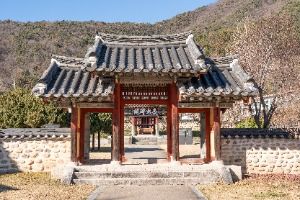
Miryang is the hometown where Saimyong Daesa, who was active as a Buddhist warrior during the Imjin War, was born. Along the east-west axis of Miryang, the historic sites of Saimyong Daesa are linked, including his birthplace site, the Pyochung Monument, and Pyochungsa Temple. This journey traces the life of Saimyong Daesa, who led the overcoming of national crises as a Buddhist warrior, visiting the birthplace where the house still stands, the Pyochung Monument that sweats whenever the country faces troubles, and Pyochungsa Temple where his memorial tablet is enshrined.
This course is a sample one-day itinerary. Save it as-is or expand it into an AI itinerary.
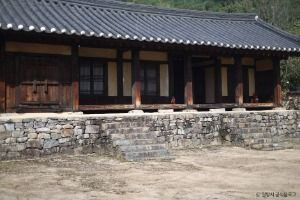
사명대사가 1544년(중종 30)에 진사 임수성(林守成)의 둘째 아들로 태어나 13세 때 가출하여 직지사 신묵(信默)에게 가서 승려가 될 때까지 어린시절을 보낸 곳이다. 현재 사당인 숙청사와 사명대사가 태어나서 자란곳인 육영당, 사명대사가 거처하던 사랑채인 사명당 등이 남아있다. 1992년에 경상남도 기념물 제116호로 지정되었다. 사명대사는 어린 시절을 여기서 보냈으며 많은 일화가 전해오고 있다. 또한 사명당이 이따금씩 고향으로 돌아올때 쉬었다는 바위가 아직 그대로 남아 있어, 그의 발자취를 엿볼 수 있고 그의 생을 음미해 볼 수 있는 곳이다.
밀양시 무안면 홍제사 경내에 위치한 비각으로 사명당 송운대사를 일명 사명대사비라 부른다. 임진왜란 당시 의승병을 이끌어 왜군을 크게 무찌르고 일본에 전쟁포로로 끌려간 조선인 3,000명을 환국시킨 유정의 높은 뜻을 기리기 위해 세웠다. 즉 표충사의 동쪽인 이곳에 1742년(영조 18) 대사의 5대 법손 남붕이 경산에서 갖고 온 돌로 건립하였다.
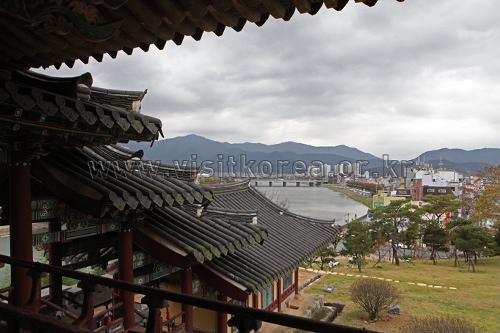
경상남도 밀양시 내일동에 있는 조선시대 사당으로 밀양 남천강 옆의 영남루 바로 아래 대나무숲 속에 있다. 이 비각은 죽음으로써 처녀의 정절을 지킨 아랑을 기리는 것으로 조선 명종 때 세워진 것이라 한다. 1965년 종래의 건물이 낡아 지역민들과 출향 인사들의 성금과 당국의 보조로 현재의 아랑각을 중건하였다. 사당은 맞배지붕의 3칸 건물이며, 삼문으로 이루어진 정문(正門)은 정순문(貞純門)이라 편액하였다. 사당 안에는 이당(以堂) 김은호(金殷鎬)가 그린 아랑의 영정과 위패가 봉안되어 있다.
Man-eo-sa Temple is located on the 8th ridge of Man-eo Mountain, which has an elevation of 674 meters. According to records in the Samguk Yusa, it was founded by King Suro of the Garak Kingdom and is a traditional temple that supports the theory of the southern transmission of ancient Korean Buddhism. The temple holds many legends and mysterious phenomena. It was known for performing rainmaking rituals during prolonged droughts and was considered sacred. According to the Sejong Sillok Jiriji, it was a place for Shilla kings' merit-making rituals. The Samguk Yusa records that the temple was first built in 1180, the 10th year of King Myeongjong of Goryeo, and a three-story stone pagoda was erected. The Samguk Yusa Tower volume contains records related to the founding of Man-eo-sa: In the pond called Okji in the Yangsan area, a lone dragon and five evil spirits caused chaos, destroying farmers' crops. King Suro tried to expel them with shamanistic rituals but failed. He then requested Buddha’s sermon, by which the spirits received the five precepts. Subsequently, numerous fish and dragons from the East Sea were inspired by the Buddha’s teachings and gathered in this mountain, turning into stones that emitted mystical bell sounds. To honor this, King Suro founded the temple and named it Man-eo-sa, meaning "Temple of Ten Thousand Fish," reflecting the stones turned from the fish inspired by Buddhism. The stone in front of the temple still rings with a clear sound when struck and is called the Bell Stone (Jongseok). It is designated as a cultural monument of Gyeongsangnam-do. (Source: Miryang-si Culture and Tourism)
Sign up to feature your channel.
(As a member, you can add your Instagram, YouTube, and blog links in My Page, and we’ll show them with every comment you write.)
““Stayed near Hongdae and did a night café tour. Perfect city views and vibes.””
Guest comments do not display social media links or profile cards.
Share a short tip about this place.
Or leave a quick comment as a guest.
Photo attachments are available after login.
No reviews yet. Be the first to share your experience!