Enjoy Bukchon Village North of Gyeongbokgung Palace in Seoul Jongno-gu · schedule Other · distance 3.43km · 4 stops · highlights 광화문, Hanok Village, Hwa…

The streets near Gyeongbokgung Palace are truly quaint and beautiful. Recently, young designers have added color to the traditional Bukchon area, resulting in many galleries and charming shops. There is so much to enjoy as you walk around. The refreshing and picturesque garden of Jeongdok Public Library offers a peaceful retreat from the bustle of Seoul. There are also many small galleries nearby that provide visual delights. Source: Walking Along the Story of Hanyang Fortress.
This course is a sample one-day itinerary. Save it as-is or expand it into an AI itinerary.
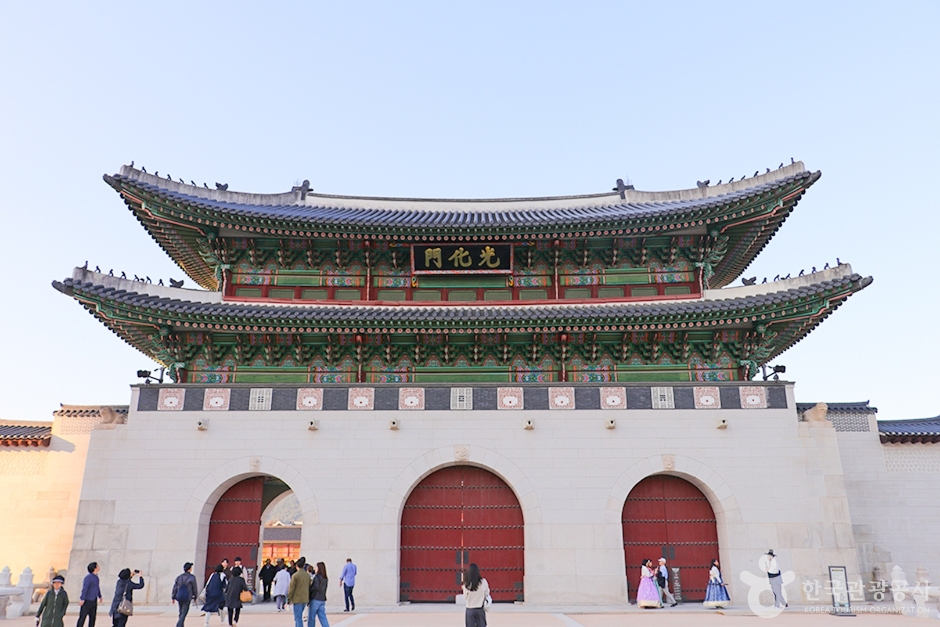
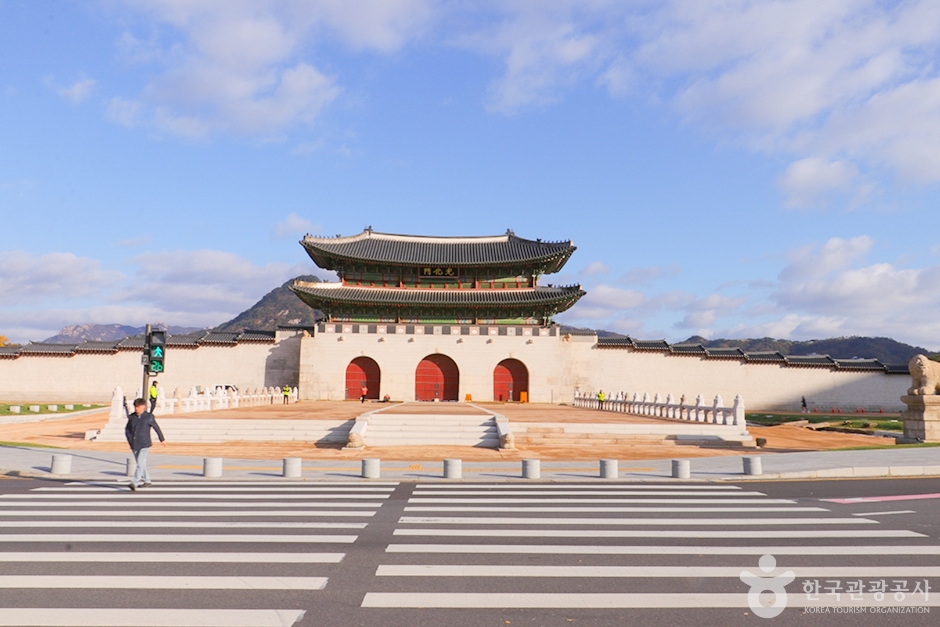
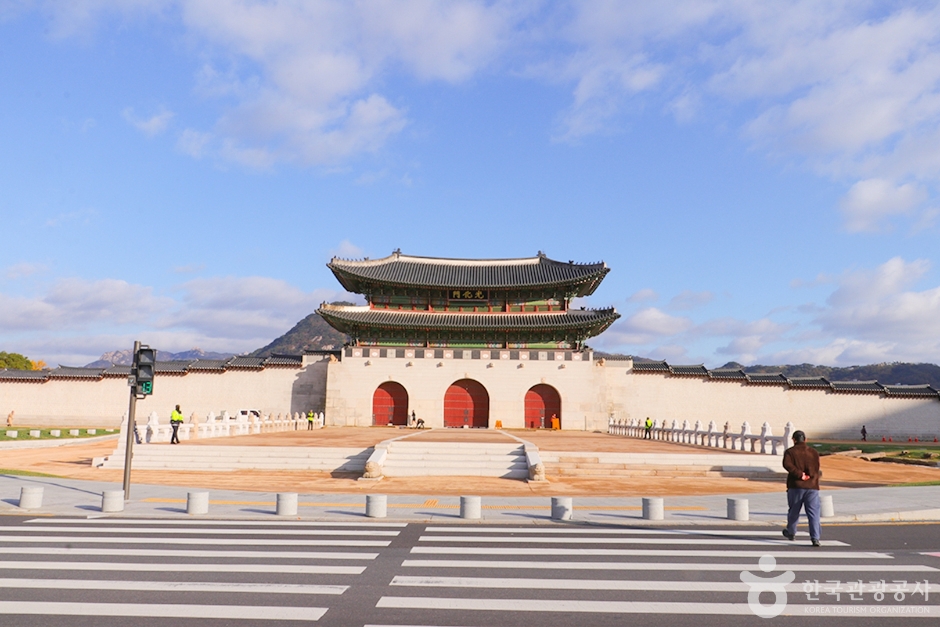
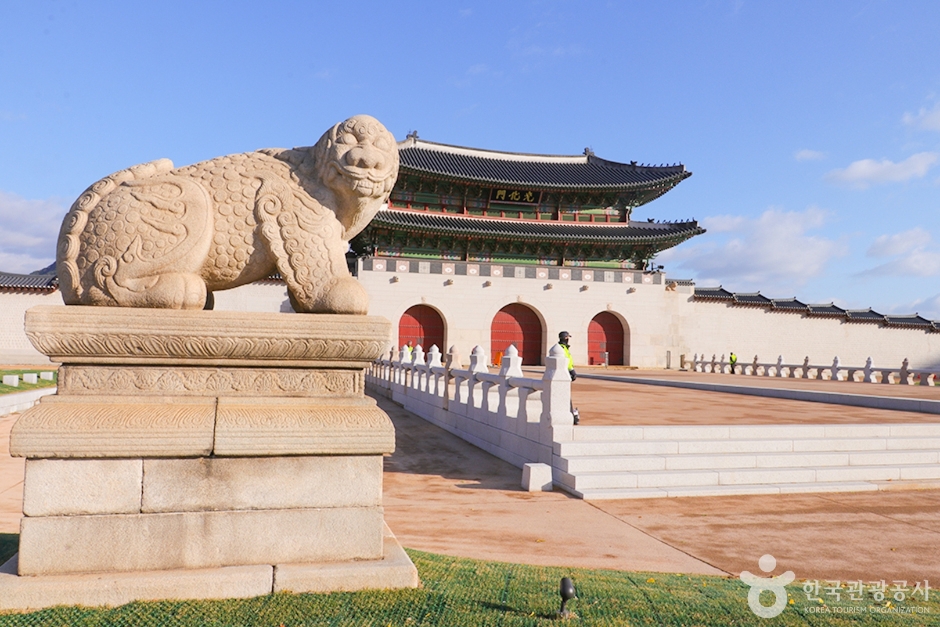
광화문 is a popular city attraction with convenient access and nearby points of interest.
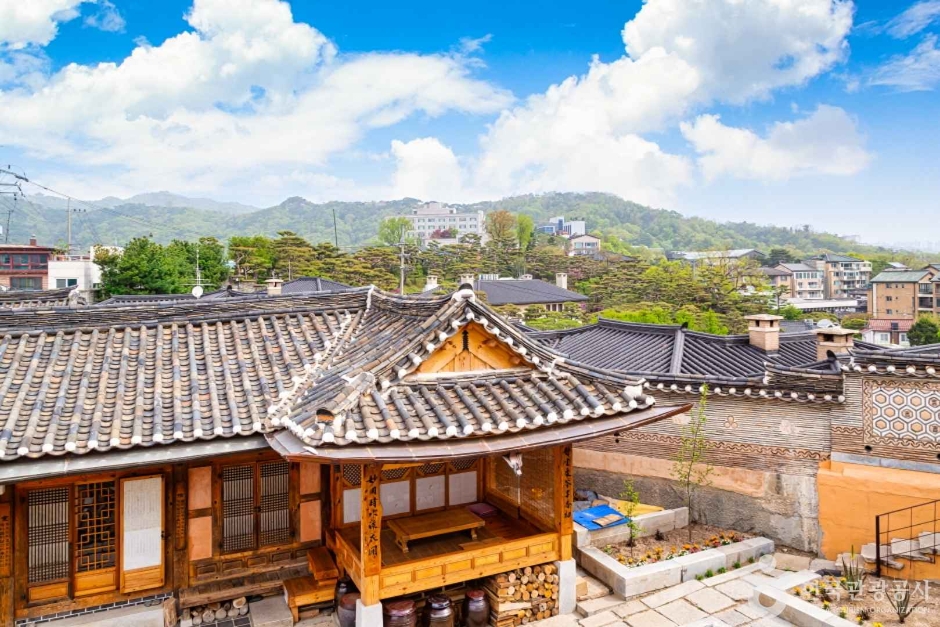
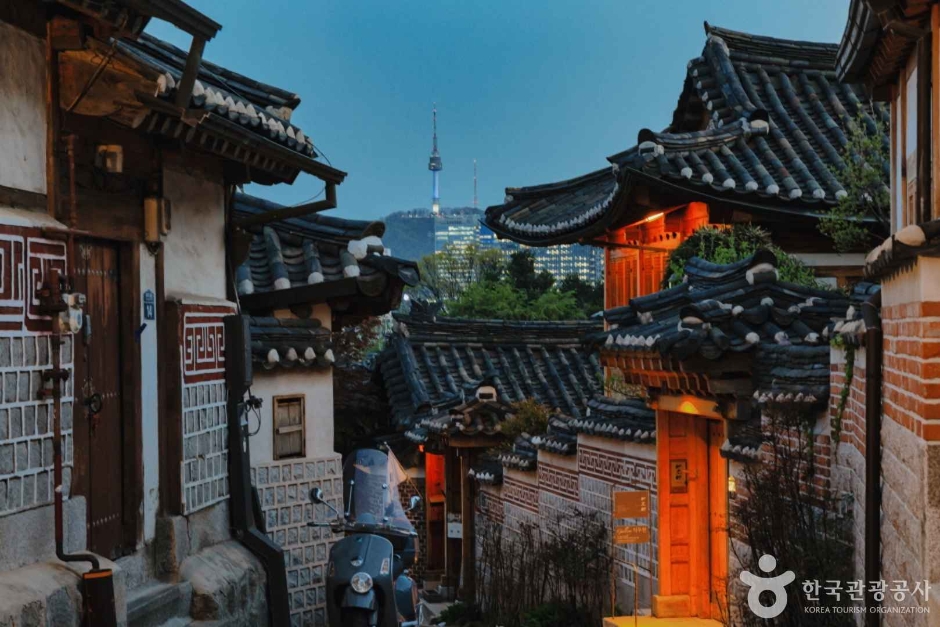
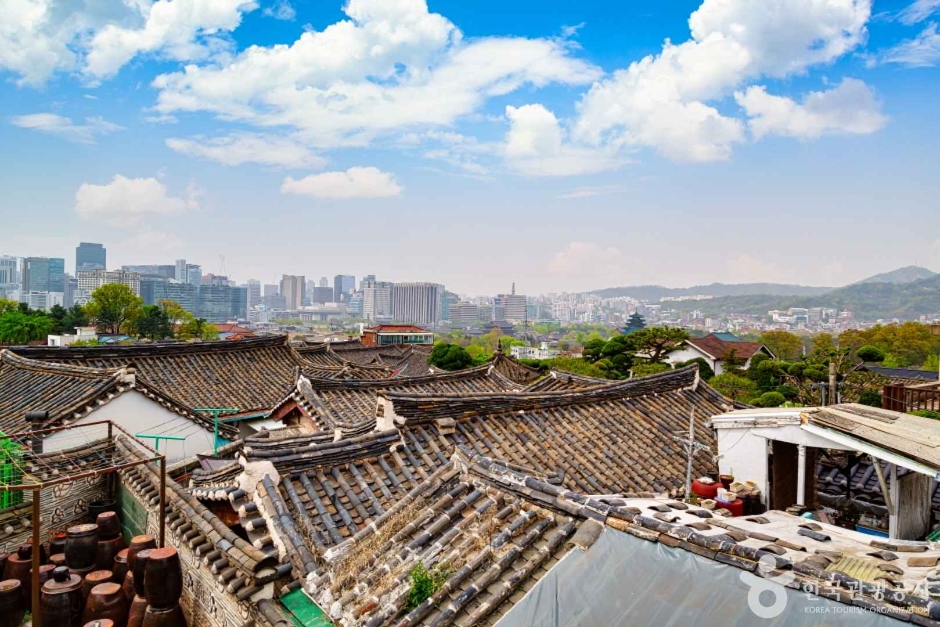
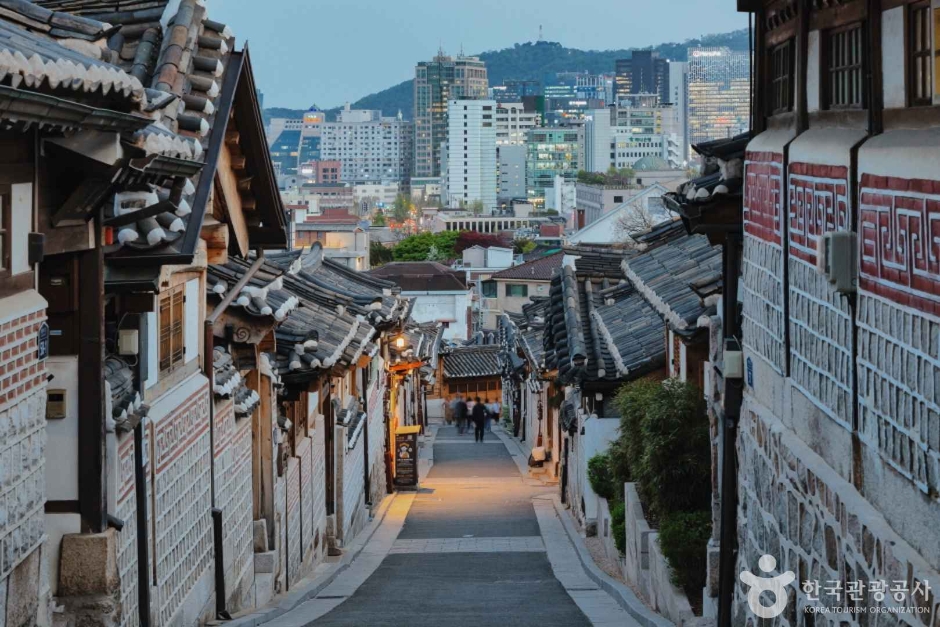
Bukchon Hanok Village is one of Seoul’s most representative traditional residential areas, located between Gyeongbokgung Palace, Changdeokgung Palace, and Jongmyo Shrine. The neighborhood is home to a dense cluster of traditional Korean hanok houses, along with many historic sites, cultural properties, and folk heritage resources. Because of this, Bukchon is often described as an open-air street museum in the heart of the city. The name “Bukchon,” meaning “North Village,” comes from its location north of Cheonggyecheon Stream and Jongno. The area includes neighborhoods such as Gahoe-dong, Songhyeon-dong, Anguk-dong, and Samcheong-dong. In places like Sagan-dong, Gye-dong, Sogyeok-dong, and Jae-dong, traces of history still remain in the neighborhood names themselves, preserving memories that go back hundreds of years. During the Joseon Dynasty, Bukchon was established as a residential district for the upper class. Until the 1920s, the area remained largely unchanged. However, in the 1930s, as Seoul’s administrative boundaries expanded and the city’s structure became more modern, Bukchon also began to change. Housing development companies purchased large plots of land and wooded areas in Bukchon and built groups of small and medium-sized hanok houses. The hanok residential clusters that remain today around Gahoe-dong 11 and 31, Samcheong-dong 35, and Gye-dong 135 were formed during this period. The hanok houses of Bukchon are especially notable because they adapted to a modern urban environment while preserving the essential character of traditional Korean architecture. Features such as glass doors added to the main hall and tin awnings attached to the eaves show how new materials were incorporated into hanok design. In this sense, Bukchon’s hanok evolved into a new type of urban residence while maintaining their traditional form. Unlike the 1960s, when much of Bukchon consisted of hanok houses, many hanok disappeared after the 1990s due to the rapid construction of multi-family housing. Even so, several areas still preserve well-maintained clusters of hanok. The sight of tiled roofs lined up closely together, with neighboring homes sharing walls and eaves, offers a warm glimpse into a way of life that many people have almost forgotten. Walking through Bukchon, visitors can enjoy not only the graceful rooflines of traditional hanok houses but also the quiet charm of narrow alleys. To help Bukchon Hanok Village remain a sustainable travel destination, visitors are asked to practice quiet tourism. ※ Quiet tourism means visiting respectfully and quietly so that the daily lives and living environment of local residents are not disturbed by outside visitors. ※ Visitor etiquette for Bukchon Hanok Village - Group visitors should be accompanied by a guide. - Illegal parking of tour buses is prohibited. - Do not trespass, take unauthorized photos, litter, urinate in public, or make excessive noise. - Please follow the designated visiting hours for the village.
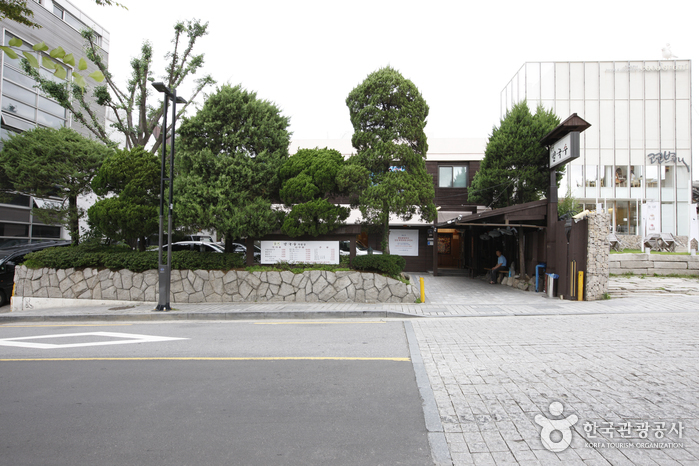
Hwangsaengga Kalguksu is located in the alley leading to Jeongdok Library, across from the National Folk Museum and next to the National Museum of Modern and Contemporary Art. It is a kalguksu specialty restaurant famous for its beef bone broth kalguksu and large dumplings made with mother’s craftsmanship. Started as Bukchon Kalguksu in December 2001, it became a corporation named Hwangsaengga Kalguksu Co., Ltd. in 2014 and has been welcoming customers with unchanged taste and sincerity for over 20 years in the same place. Their traditional beef bone broth kalguksu, with chewy and soft noodles made by hand from deeply boiled Korean beef bones, has been selected as a Michelin Guide Seoul restaurant for several years and is recognized worldwide. Their old-fashioned boiled pork and seasonal soybean noodles offered in summer are also delicacies.
정독도서관은 서울 종로구 북촌에 위치한 옛 경기고등학교 자리에 1977년 1월에 개관하여, 49만 여권의 장서와 16,300여 점의 비도서자료를 소장하고 있으며, 부설 서울교육사료관에는 12,000여점의 교육사료를 소장하고 있는 서울시립공공도서관이다. 정독도서관은 서울시민에게 최신정보를 제공하고, 교양ㆍ학습 등을 지원하여 문화발전 및 평생교육에 이바지함을 목적으로 하고 있다. 도서대출, 자료실 및 열람실 이용 외에도 매월 작가초청 강연회와 사진전 그리고 독서회, 인형극, 음악회, 댄스공연 등의 문화프로그램을 운영하고 있다.
Good places to stop and rest after the course

Booking and payment continue on a partner site.
Check rooms & price
Booking and payment continue on a partner site.
Check rooms & price
Booking and payment continue on a partner site.
Check rooms & priceSign up to feature your channel.
(As a member, you can add your Instagram, YouTube, and blog links in My Page, and we’ll show them with every comment you write.)
““Stayed near Hongdae and did a night café tour. Perfect city views and vibes.””
Guest comments do not display social media links or profile cards.
Share a short tip about this place.
Or leave a quick comment as a guest.
Photo attachments are available after login.
No reviews yet. Be the first to share your experience!