Springtime that brings back childhood feelings in Gyeonggi-do Hwaseong City · schedule Other · distance 57km · 3 stops · highlights Hwaseong Gojung-ri D…
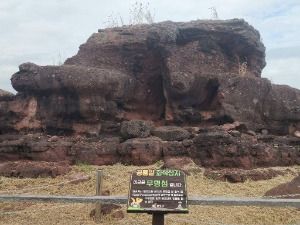
Designated as a Natural Monument, a national cultural heritage, on March 21, 2000. It was discovered on April 25, 1999, in the southern reclamation area of Siwaho while conducting a basic survey on ecological and geological changes due to land reclamation of the Siwaho tidal flats around Gojung-ri, Songsan-myeon, Hwaseong-si.
This course is a sample 2-day itinerary. Save it as-is or expand it into an AI itinerary.
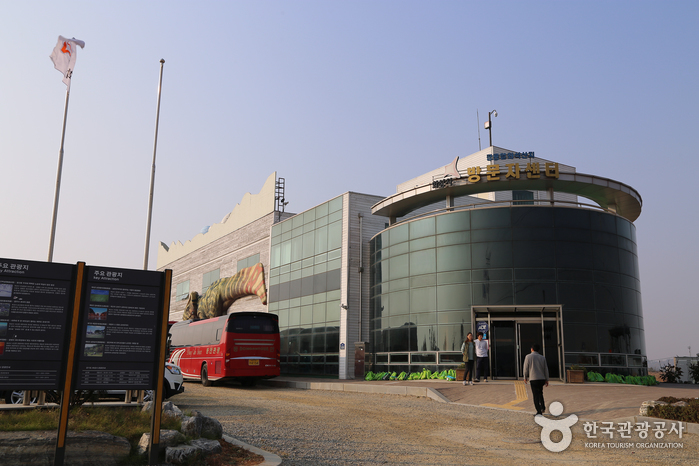
Hwaseong Gojung-ri Dinosaur Egg Fossil Site has historical and academic value as the place where not only dinosaur egg fossils but also dinosaur fossils with fully preserved skeletons, the only ones in Korea, were discovered. The fossil site was once an island before the creation of Sihwa Lake, with about 30 nests approximately 1m in size found. Based on this, it has been inferred that the Sihwa Lake area was a mass nesting ground for dinosaurs in the Cretaceous period of the Mesozoic Era about 100 million years ago. Inside the visitor center at the dinosaur egg fossil site, a model of the dinosaur bone fossil of ‘Koreaceratops hwaseongensis,’ the first dinosaur discovered in Korea, is displayed. This fossil was found by a Hwaseong City Hall official preparing for a yacht competition at Jeongok Port and represented a new kind of dinosaur never before discovered worldwide, named Koreaceratops hwaseongensis. Across from the visitor center, a trail stretches about 3 km from the entrance to the dinosaur egg fossil site, equipped with a wooden deck for comfortable exploration. The endless grassland is nicknamed "Korea's Serengeti" because it resembles the Serengeti in Africa. At the trail’s end, a nameless island newly named after the creation of a promenade allows visitors to see the fault and dinosaur egg shapes from that time. This site also features glasses-shaped dinosaur eggs, the first egg fossils discovered at the fossil site.
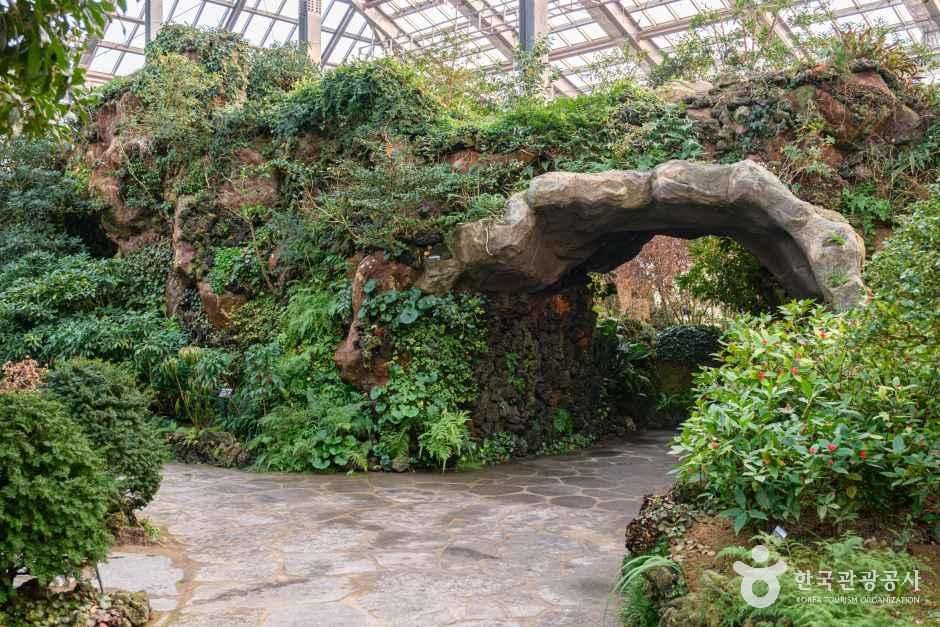
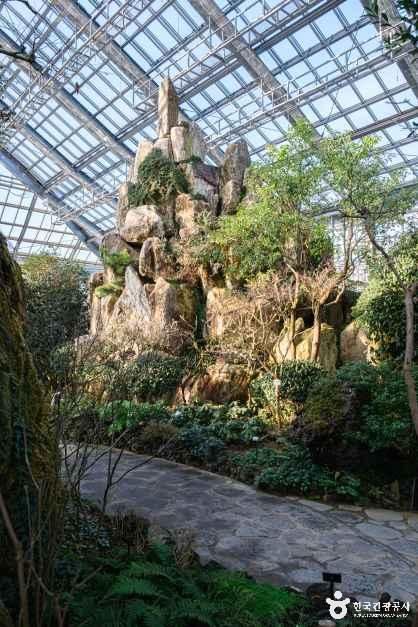
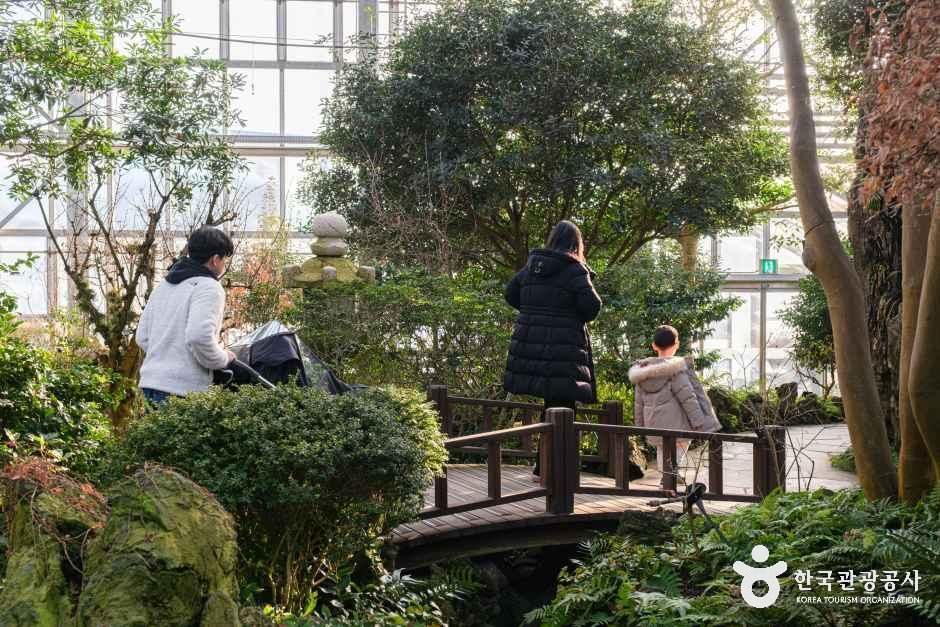
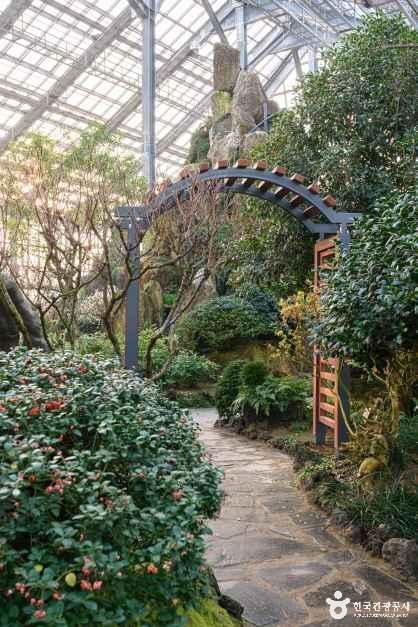
Located in Paltan, Hwaseong-si, Woori Flower Botanical Garden is a botanical garden where you can see about 1,100 species of plants throughout the four seasons. The Four Seasons Hall, a glass greenhouse built in the traditional Korean hanok style, is created to reflect the environment of the central region, allowing visitors to observe different plants each season. Additionally, you can view about 300 species of plants including a rockery shaped like five famous mountains of Korea, the root of the Pokdal tree where wishes come true, and tree ferns. There is also an ecological pond for wetland and aquatic plants, a medicinal garden showcasing various plants and their medicinal effects, and a theme garden planted with grasses like silver grass and pink muhly that convey an autumn atmosphere. Especially for children, there is a play forest with a zipline and slides, a fountain plaza for water play in midsummer, and various experience programs such as marimo cultivation, sand art, and edible flower activities. Behind the botanical garden is a hiking trail connected to Deunggosan Mountain allowing about a 30-minute walk around the Woori Flower Botanical Garden trail. Cultural tourism guides are also available, sharing stories about grasses, trees, and flowers.
This house, registered as a Gyeonggi-do cultural heritage property, well represents the traditional residential life of local wealthy farmers in Gyeonggi-do. It is composed overall of an anchae (main building), sarangchae (men's quarters), and haengnangchae (servants' quarters), forming a 'ㅁ' shape. The anchae is shaped like 'ㄱ'; it has a central daecheongmaru (main hall), with the main room to the east and the opposite side with a guest room, and the kitchen in front of the main room. Behind the kitchen is the backyard with a well and jangdokdae (earthenware jar platform). The sarangchae is also 'ㄱ' shaped, with a central daecheong and one room on each side; outside the wooden porch, changho (windows) are attached, making the porch look like a corridor from the front. The haengnangchae in front of the sarangchae is a nine-room single row (一字形) with a central gate. Notable features include the long sarangchae divided doors, intricate lattice windows on the side, and the side door, all preserved in their original state. Although there is no definite material to establish the construction date, based on the materials and furniture in the sarangchae, it is estimated to be from the late 19th century, with the anchae presumed to be earlier.
Good places to stop and rest after the course

Booking and payment continue on a partner site.
Check rooms & price
Booking and payment continue on a partner site.
Check rooms & price
Booking and payment continue on a partner site.
Check rooms & priceSign up to feature your channel.
(As a member, you can add your Instagram, YouTube, and blog links in My Page, and we’ll show them with every comment you write.)
““Stayed near Hongdae and did a night café tour. Perfect city views and vibes.””
Guest comments do not display social media links or profile cards.
Share a short tip about this place.
Or leave a quick comment as a guest.
Photo attachments are available after login.
No reviews yet. Be the first to share your experience!