
Climbing Gatbawi on Palgongsan in Gyeongsan in Gyeongsangbuk-do Gyeongsan City · schedule Other · distance 83.9km · 4 stops · highlights Palgongsan Nati…
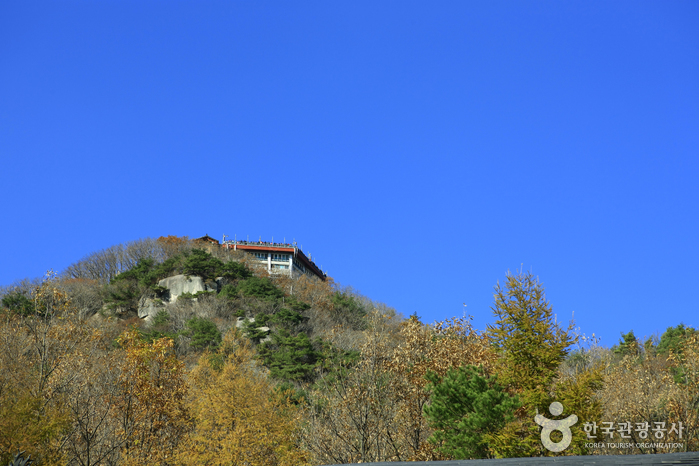
Yeongcheon is a region characterized by low and gentle mountain ranges extending from the high ridges of the Taebaek Mountains. However, it has many mountain passes forming natural boundaries, making it an important transportation route since ancient times. Therefore, it can be described as an ordinary and peaceful rural village. If you visit Yeongcheon, be sure to experience the mysterious Dolhalmae (stone grandmother) and visit the famous Yeongcheon Market at least once.
This course is a sample one-day itinerary. Save it as-is or expand it into an AI itinerary.
Palgongsan is a mountain with an elevation of 1,192 meters that spans Daegu Dong-gu, Gunwi-gun, Gyeongsangbuk-do Gyeongsan-si, Yeongcheon-si, and Chilgok-gun. Designated as a provincial park in May 1980, it was elevated to a national park in 2023, becoming the 23rd national park in South Korea. Palgongsan is highly regarded for its natural ecosystem, scenic beauty, and cultural landscapes. It is home to 5,296 species of wildlife, including 15 endangered species such as the red bat, hawk, and otter. Natural scenic resources include 39 mountain peaks, 10 unique rock formations, and 19 valleys. The park also contains abundant cultural assets, including 30 nationally designated cultural properties, 61 provincially designated cultural properties, and 1 registered cultural asset. Palgongsan National Park Gatbawi Area is visited year-round and features a viewpoint in front of Gatbawi where visitors can see the mountain range of Palgongsan at a glance, with the Gwanbong Seokjo Yeorae Jwasang statue at the summit. This statue, believed to be the second most mysterious Buddha statue after Seokguram, was carved from a natural rock on Palgongsan peak by the monk Uihyeon during the Unified Silla period to pray for his deceased mother. The statue is called Gatbawi because it wears a natural stone shaped like a traditional Korean gat hat on its head. The rock on its head was not originally formed together but is said to have been carved with a lotus-patterned crown and placed there during the Goryeo Dynasty. There is a legend that sincerely praying to this statue will grant one wish, attracting many visitors.
갓바위 20년 넘는 군불로 전통음식점이다. 오리, 닭, 전골류 다양한 음식을 제공하고 있다
경산시립박물관은 고대부터 현대에 이르는 경산의 문화유산을 종합적이고 체계적으로 연구 보존하는 기능, 역사와 문화를 한눈에 볼 수 있는 전시기능, 우수한 우리문화와 역사를 체험하고 배울 수 있는 평생학습기능을 모두 갖춘 종합문화 공간이다. 상설전시관으로는 제1,2,3전시실이 있으며, 그 외 영상기획실, 특별전시실, 어린이 체험학습실, 야외전시장이 있다.
This tumuli cluster from the early Three Kingdoms period is located in Imdangdong, Joyongdong, and Aplyangeup areas of Gyeongsan-si, Gyeongsangbuk-do. It features stone-cist tombs and chamber tombs dug into stone walls excavated by Yeungnam University Museum in 1982, and was designated as a historic site in 2011. The tomb types include wooden coffins (mokgwanmyo), jar tombs (onggwanmyo), stone-cist tombs (jeokseokmokgwakmyo), and stone chamber tombs (hoenghyeolsik seoksilmyeo). Excavated artifacts consist of various gold and silver ornaments (jars), iron weapons including ring-hilted large swords (hwantudaedo), and earthenware. Based on these artifacts, these are believed to be the tombs of regional rulers at that time. According to Samguksagi, in the 23rd year of King Pasa, the king of Apdokguk surrendered to Silla. Apdokguk is presumed to have been near Aplyangmyeon where Imdangdong tombs are located, providing insight into early small-state relations during the Three Kingdoms period. Imdangdong artifacts and tomb structures resemble early Gyeongju tomb finds and share similarities with Gaya culture, indicating cultural exchange. Approximately ten tombs are distributed in the low, flat hills around Joyongdong, Gyeongsan-si. The earthen mounds covering the tombs have mostly disappeared but remaining ones are circular. Inside are jar tombs (onggwanmyo), pit-style stone-cist tombs (su-hyeolsik seokgwakmyo), and stone chamber tombs (hoenghyeolsik seoksilmyeo), with pit-style stone-cist tombs being most common. These vary from simple coffins to double coffins enclosing both the body and burial goods. Artifacts include various earthenware, gilt-bronze crowns, belts, earrings (ornaments), weapons, horse gear, and clay products.
Sign up to feature your channel.
(As a member, you can add your Instagram, YouTube, and blog links in My Page, and we’ll show them with every comment you write.)
““Stayed near Hongdae and did a night café tour. Perfect city views and vibes.””
Guest comments do not display social media links or profile cards.
Share a short tip about this place.
Or leave a quick comment as a guest.
Photo attachments are available after login.
No reviews yet. Be the first to share your experience!


