Best of Gyeongju Walking under the Moon of Silla in Gyeongsangbuk-do Gyeongju · schedule Other · distance 약 17.3km · 4 stops · highlights Cheonmachong,…

Gyeongju's night, more beautiful than the day. Escape the busy streets and walk under the moonlight of Silla while encountering various cultural heritage sites.
This course is a sample one-day itinerary. Save it as-is or expand it into an AI itinerary.
Cheonmachong, located in Daereungwon in Gyeongju, is a pre-unification Silla tomb estimated to have been built in the late 5th to early 6th century. Excavated in 1973, it features the unique Silla stone chamber tomb style. The tomb measures 12.7m in height and 50m in diameter, with a stone layer built with river stones inside the mound. Inside the stone layer is a wooden chamber measuring 6.5m long, 4.2m wide, and 2.1m high, with a wooden coffin placed in the center for the burial. Cheonmachong is the only tomb in the Daereungwon tumulus group open to the public and was surveyed as a pilot before excavating the nearby Hwangnamdaechong, which was difficult to excavate immediately due to its massive scale. A total of 11,526 artifacts were found, including accessories worn by the deceased such as gold crowns, gold caps, wing-shaped ornaments, gold belts, and gilt-bronze shoes. The representative gold crown is a typical Silla crown with three rows of branch-shaped decorations on the front and two rows of deer antler-shaped decorations on the back. The branch decorations feature sprouting bud shapes and comma-shaped jade pieces symbolizing life. It is regarded as the largest and most ornate crown among those discovered so far. The name Cheonmachong comes from the 'Cheonmado' painting found in this tomb—a depiction of a heavenly horse on birch bark and part of a saddle apron (an item hung on both sides of a horse's saddle to protect the rider's clothes from dirt). This painting is the first pictorial artwork excavated from a Korean tomb and a representative work of Silla painting, designated as a national treasure. The artifacts excavated from Cheonmachong are currently displayed at the National Gyeongju Museum.
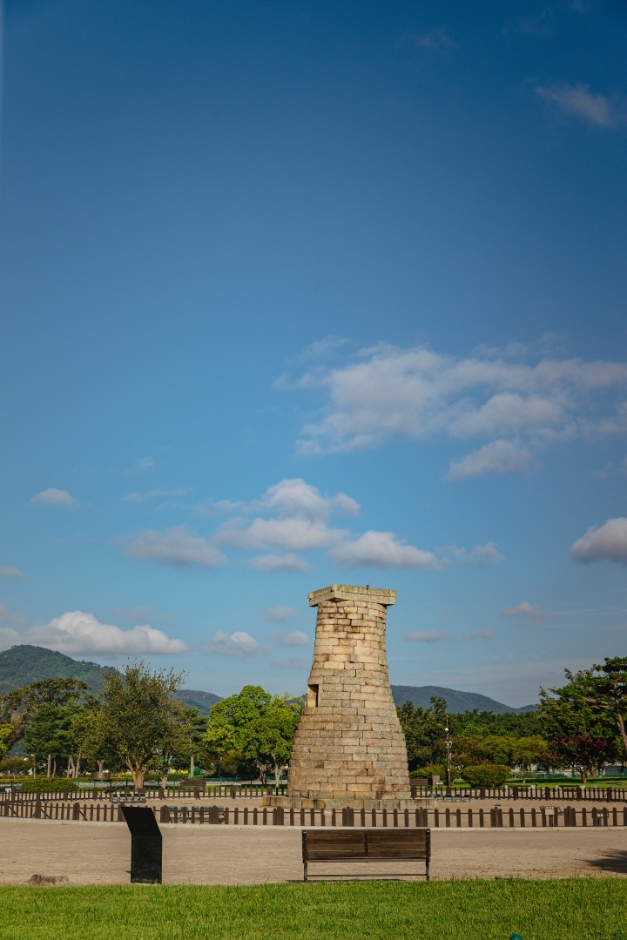
Cheomseongdae is estimated to have been built during the reign of Queen Seondeok, the 27th ruler of Silla, and is one of the landmarks symbolizing Gyeongju. It stands about 9 meters tall and features a base foundation supporting a cylindrical body shaped like a bottle, topped with a well-shaped (井) peak. The cylindrical section is built with 27 layers of fan-shaped stones. A window facing southeast has a lower part filled with rough stones and an upper part hollowed out up to the peak. The eastern half of the peak, sealed with a board, has long stones interlocking in the shape of the well (井) character, with ends protruding outside. Similar features appear on the 19th-20th and 25th-26th layers, suggesting the use of internal ladders. Historical records state, "People are meant to climb through the center," indicating that ladders were placed outside to enter through the window and climb up for astronomical observation. Each stone of Cheomseongdae holds symbolic meaning: its round upper and square lower shapes represent heaven and earth. The approximately 365 stones symbolize the days of the year; the 27 stone layers refer to Queen Seondeok, the 27th ruler; including the peak yields 29 or 30 layers, symbolizing the lunar month's days. The 12 layers above and below the central window represent the 12 months and 24 solar terms of the year. Cheomseongdae was used to calculate celestial movements to determine farming seasons and also to predict the nation's fortune. ◎ Travel information to experience the charm of Korean Wave - The drama features Cheomseongdae, a landmark representing Gyeongju and the world's oldest astronomical observatory, where characters Bogyum and Jia, linked by a special past, crossed paths. Besides its high historical value, the site attracts many visitors for seasonal flowers and plants, ideal for outings.
This forest is located between Cheomseongdae and Wolseong, and it is a historic place with a legend that Alji, the progenitor of the Gyeongju Kim clan, was born here. During the reign of King Talhae of Silla, Hoegong heard a rooster crowing in this forest and found a golden box glowing on a tree branch. He reported this to the king, who personally came and lowered the box. When the lid was opened, a baby boy appeared, so he was named Kim Alji and the forest, originally called Sirim or Gurim, was renamed Gyerim. Gyerim was also used as a national name for Silla. The spacious forest is densely filled with old trees such as zelkovas, and a small stream flows from north to west. Although the king made Alji crown prince, the throne later passed to King Pasa of the Park clan, and Alji did not become king. From King Naemul's generation, the Kim clan became the royal family of Silla. Within the area stands a monument erected in 1803 during King Sunjo's reign that records Kim Alji's birth. As a sacred forest near the Silla royal palace, it is revered as the birthplace of the Silla Kim royal family, and even now, royal paulownias and zelkovas shade the sky. Along the trail connecting Daereungwon, Gyerim, and Banwolseong, yellow rapeseed flowers bloom in spring, adding to the charm of the historic site.
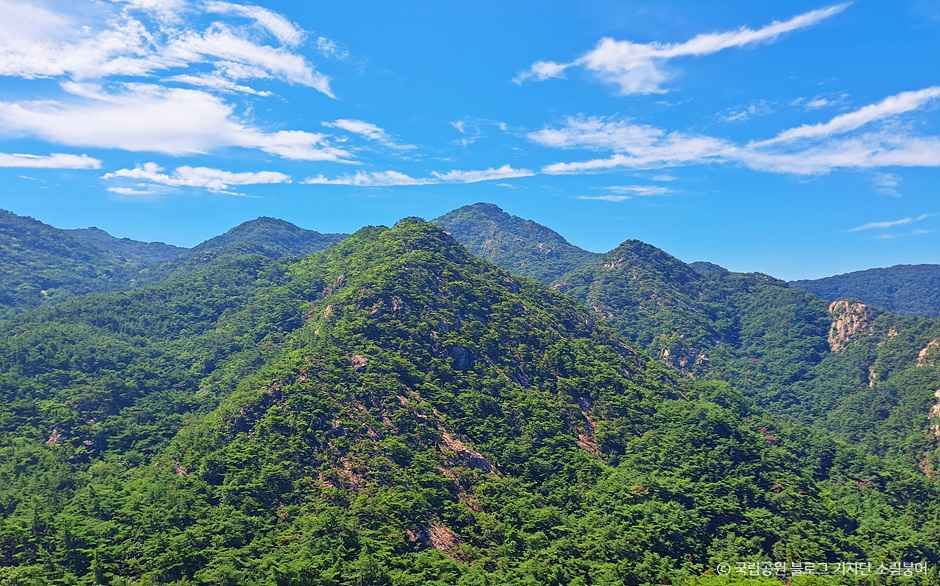
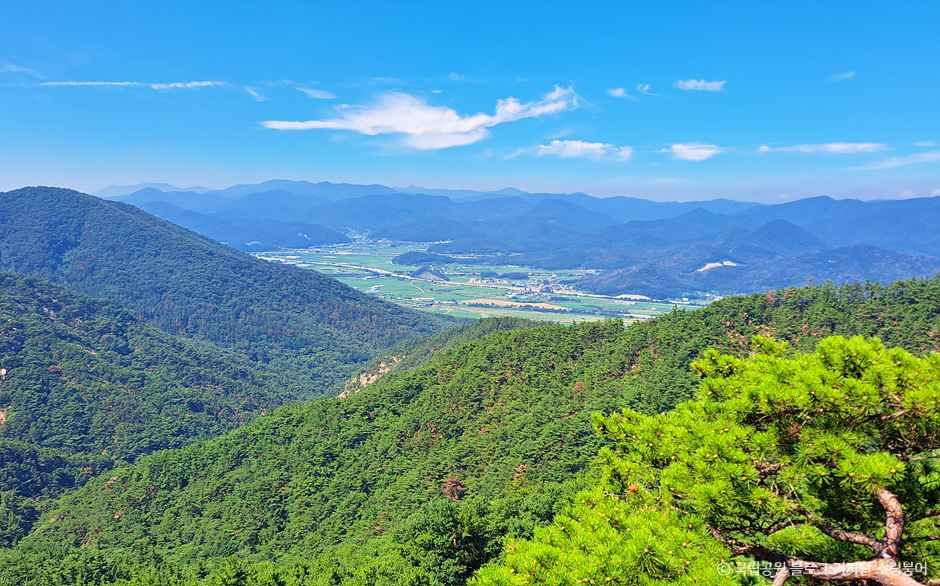
Gyeongju National Park is a national park composed of world-renowned cultural heritage rather than natural landscapes such as mountains or seas, like Seoraksan National Park and Hallyeohaesang National Park. Gyeongju, where the brilliant culture of Silla's thousand years blossomed, is a representative place of Korean tourism preserving numerous cultural heritages such as scenic spots, legends, and indigenous customs that reflect the splendid national culture left by our ancestors and the majestic spirit of the unification of the Three Kingdoms. Outstanding historical sites and cultural and historical relics are astonishingly concentrated in one area, with many national treasures or globally valuable archaeological artifacts unearthed. Gyeongju, where the brilliant Buddhist culture and its arts can be confirmed, is, in short, an open-air museum of an entire city. Especially since Gyeongju-si was designated as a special tourism zone, the public and private sectors have collaborated to improve tourism infrastructure and the environment, transforming it into a more excellent tourist region than ever before, attracting over five million visitors annually.
Good places to stop and rest after the course

Booking and payment continue on a partner site.
Check rooms & price
Booking and payment continue on a partner site.
Check rooms & price
Booking and payment continue on a partner site.
Check rooms & price
Booking and payment continue on a partner site.
Check rooms & priceSign up to feature your channel.
(As a member, you can add your Instagram, YouTube, and blog links in My Page, and we’ll show them with every comment you write.)
““Stayed near Hongdae and did a night café tour. Perfect city views and vibes.””
Guest comments do not display social media links or profile cards.
Share a short tip about this place.
Or leave a quick comment as a guest.
Photo attachments are available after login.
No reviews yet. Be the first to share your experience!