Hiking in Goryeong with Daegaya Culture as a Companion in Gyeongsangbuk-do Goryeong-gun · schedule Other · distance 95.3km · 5 stops · highlights Goryeo…
Goryeong holds significant cultural and historical value as it clearly preserves prehistoric petroglyphs and was the capital of the Daegaya Kingdom, which flourished for 520 years. Additionally, it is the birthplace of the great musician Ureuk, the inventor of the gayageum, and is a historic area where cultural relics are scattered throughout the region.
This course is a sample one-day itinerary. Save it as-is or expand it into an AI itinerary.
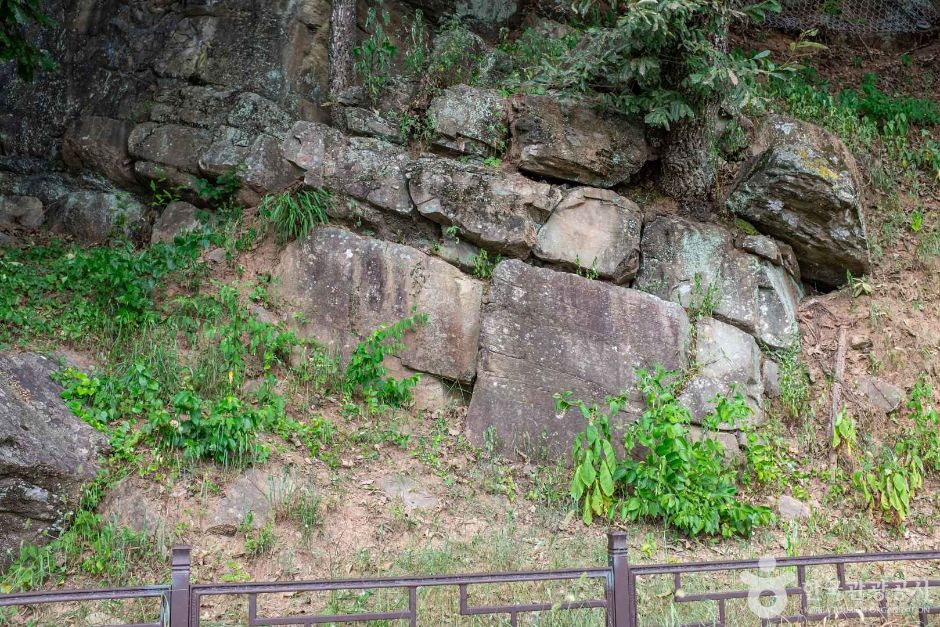
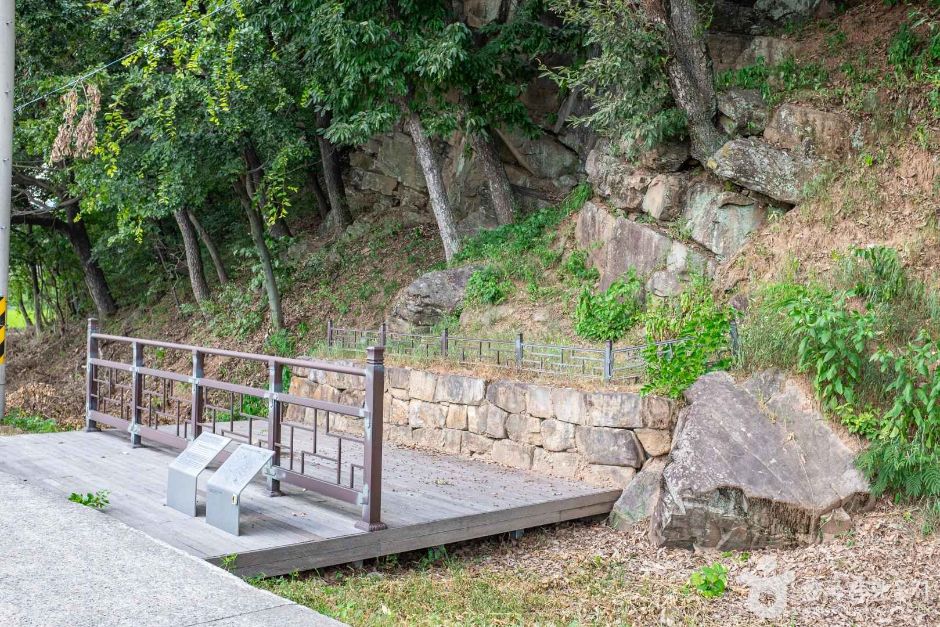
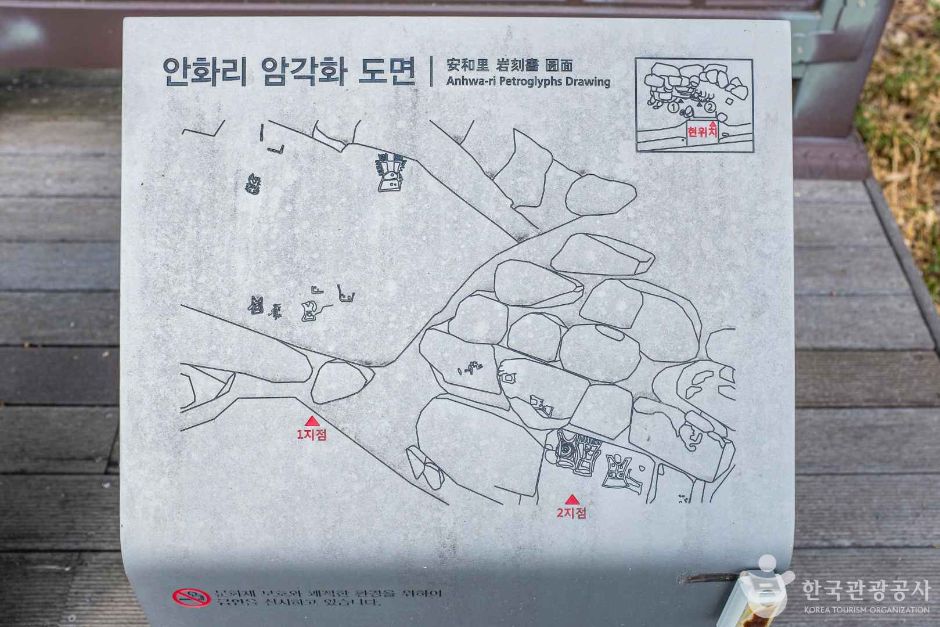
Goryeong Anhwari Petroglyphs are rock drawings engraved on a rock face by prehistoric people. On a rock surface measuring 115 cm wide and 90 cm high, three drawings were carved using a pecking technique. First, a U-shaped semicircle was drawn as the base, with bow-shaped lines symmetrically placed on both sides, and a small hole was made in the right drawing. On the rock face of the cliff above the drawings, there are 2 to 3 more similar figures. Similarities with the Yeongil Chilpori Petroglyphs suggest that people living on the coast and inland shared the same ritual beliefs. (Source: Cultural Heritage Administration)
Ureuk, one of the three great musicians of Korea, was ordered by King Gasil of late Gaya to create the Gayageum with 12 strings modeled after the 12 months at Kwaebin-ri, Daegaya-eup. The upper round part represents the sky, and the flat lower part represents the earth. Ureuk reportedly composed 185 pieces in his lifetime, but none survive today; only records of 12 compositions at Jeongjeonggol of Daegaya remain. To honor Ureuk's achievements and provide a space for education and public rest, a memorial tower and Yeongjeonggak were built on a hill overlooking Jeongjeonggol.
대가야의 도읍지 고령 읍내에 자리한 "황금터 숯불갈비"는 도로 주변에 근접해 있고 주차시설이 비교적 양호하기에 대가야의 유물을 관광하고 식사를 겸하여 잠시 휴식을 취하기에 좋은 곳으로, 식당의 외관은 목조 건축물의 정감과 깨끗함이 묻어나고 실내환경 역시 천장이 높고 넓은 유리창으로 들어오는 햇살의 채광으로 시원하고 깨끗하게 느껴진다.
대가야박물관은 구석기시대부터 근대시대까지 대가야와 고령 지역의 역사와 문화를 보여주는 상설전시실과 기획전을 개최하는 기획전시실로 되어 있다. 그밖에도 아이들이 체험을 통해 대가야문화를 배울 수 있는 어린이 체험실과 야외전시장, 지산리 제30호 고분과 휴식동산 등이 있어 대가야시대 사람들의 생활상을 쉽게 접하며 이해할 수 있도록 조성되었다.
Ballyongsa Temple is named so because it was built by descendants of Daegaya at a place believed to be imbued with the spiritual energy of a dragon. It is said to have been established in the year 802 during the reign of Silla's King Aejang, around the same time as Haeinsa Temple. In the mid-Goryeo period, monk Bojoguksa rebuilt it, and at the end of Goryeo, monk Naong restored it once again. In the early Joseon period, it was a temple belonging to the Gyojong sect, and after being burned down during the Japanese invasions (Imjin War), it was rebuilt by monk Samyeongdaesa. The distinguished monks associated with this temple suggest how renowned it once was. Later, a fire destroyed the Daeungjeon Hall along with six other halls and living quarters, but in the reign of King Yeongjo, magistrate Yun Sim-hyeop rebuilt it. In 1930, Lee Bong-jo restored it again, and recently a new Dharma hall was constructed. The Ballyongsa multi-tiered stone pagoda and Ballyongsa Bronze Bell once remained at the temple but are now housed in the Daegaya Museum due to concerns about theft and damage. The multi-tiered stone pagoda is from the Goryeo Dynasty, with a granite base topped by a first-story tower body and multi-layered roof stones made of slate.
Sign up to feature your channel.
(As a member, you can add your Instagram, YouTube, and blog links in My Page, and we’ll show them with every comment you write.)
““Stayed near Hongdae and did a night café tour. Perfect city views and vibes.””
Guest comments do not display social media links or profile cards.
Share a short tip about this place.
Or leave a quick comment as a guest.
Photo attachments are available after login.
No reviews yet. Be the first to share your experience!