Sorokdo the island bearing the sorrow of Hansen disease patients in Jeollanam-do Goheung-gun · schedule Other · distance 약 27km · 4 stops · highlights G…

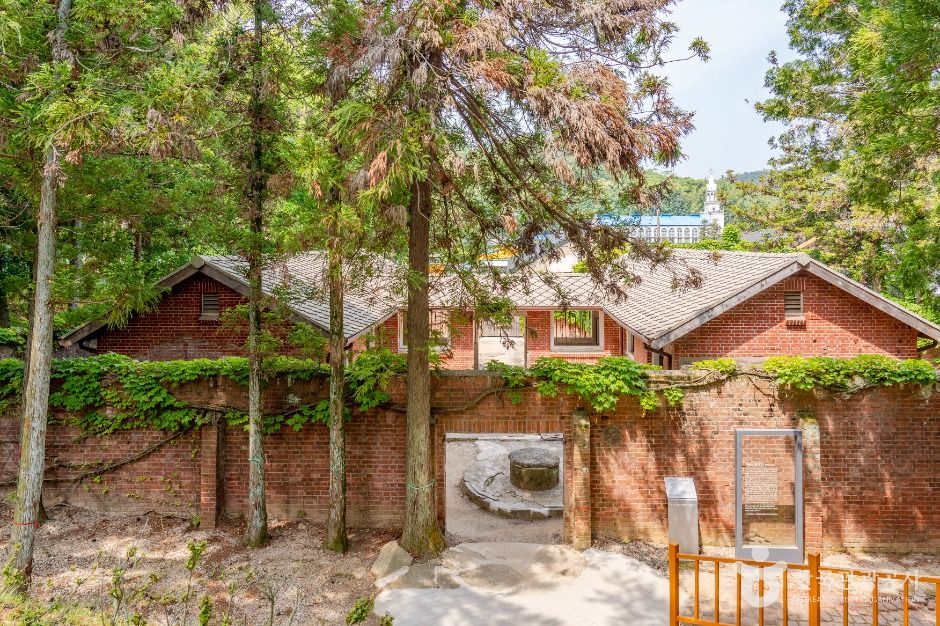
Sorokdo, named for its terrain resembling a young deer, is an island preserving a sad history marked by suffering and pain from forced labor and violence. During the Japanese colonial period, Hansen's disease patients were forcibly confined here. The island still retains the former confinement room and autopsy room, as well as Manryeongdang, a food warehouse, a shrine, a lighthouse, Nok-san Elementary School building, and the director's residence, all preserving their old appearances. Except for the main building of Jaehui Hospital, these historic buildings on Sorokdo are all designated as registered cultural properties, which fills visitors with a somber feeling throughout the tour.
This course is a sample one-day itinerary. Save it as-is or expand it into an AI itinerary.
Balpoman Hosung is currently located around Seongchon Village in Balpo-ri, Dohwa-myeon, Goheung-gun. It is a historical site that well represents the military architectural features of the Joseon Dynasty. It served as a naval fortress governed by the naval commander of the Joseon naval base among the five naval districts and five ports under Jeolla Left Naval Command, built in the 21st year of King Seongjong’s reign (1490) and abolished in the 31st year of King Gojong’s reign (1894). This fortress is the place where General Yi Sun-sin was appointed as the naval commander of Balpoman and served for 18 months in the 13th year of King Seonjo’s reign (1580). The fortress walls have a trapezoidal shape close to a jar shape. The inner structures include the government office (Dongheon), guesthouse, drainage, armory, east gate, west gate, south gate, and watchtower site, confirmed by the excavation investigation by the Jeonnam National University Museum in 1977. Nearby are Chungmusa Shrine and Yeompo Beach, and the Balpo History Exhibition and Experience Center is a 7-minute walk away.
Geumtapsa Temple is a temple located midway up Cheondeungsan Mountain in Podu-myeon, near Goheung-eup. It is said to have been founded by Monk Wonhyo, although there is no definite evidence. The temple's name, Geumtapsa, refers to a stupa built by King Ayuk of India. It was burned during the Japanese invasions of 1592–1598 but was rebuilt in 1603 by Monks Gung-hyeon and Ok-sun. However, in the 18th year of King Sukjong's reign (1692), it burned down again, leaving only the Geungnakjeon Hall. Existing buildings include Geungnakjeon, Myeongbujeon, Samseonggak, Beomjonggak, and the monks' quarters, and it houses the valuable Gwaebultang (a large Buddhist painting). The dense Bija forest surrounding the temple is a natural monument, with abundant Bija trees growing both around Geumtapsa and its hermitages, creating a magnificent view.
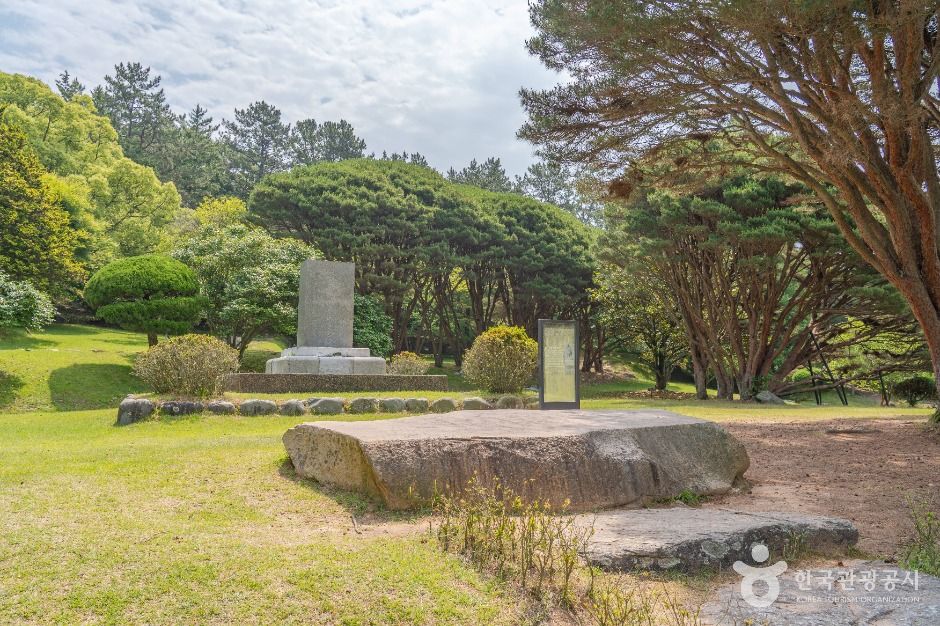
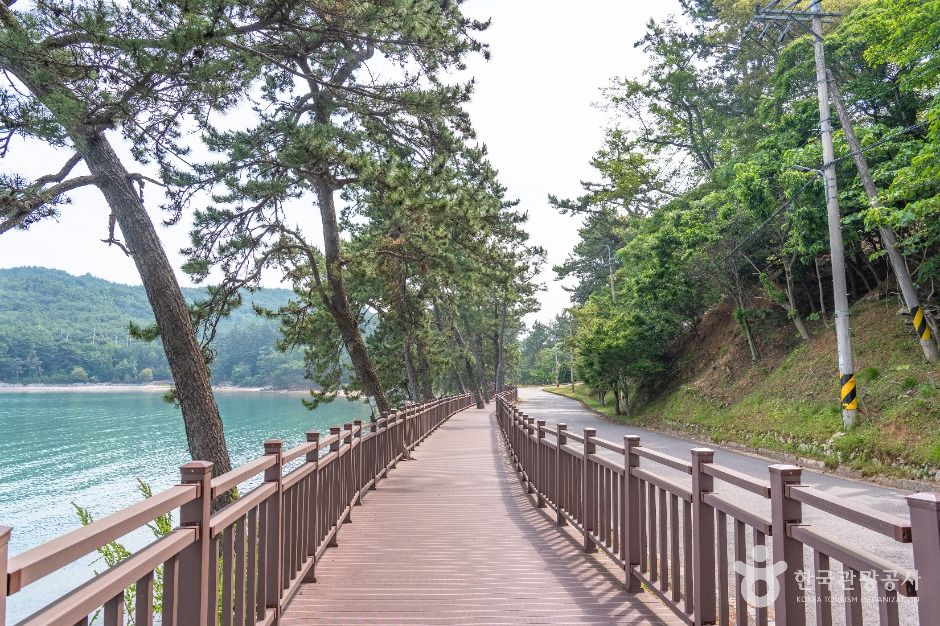
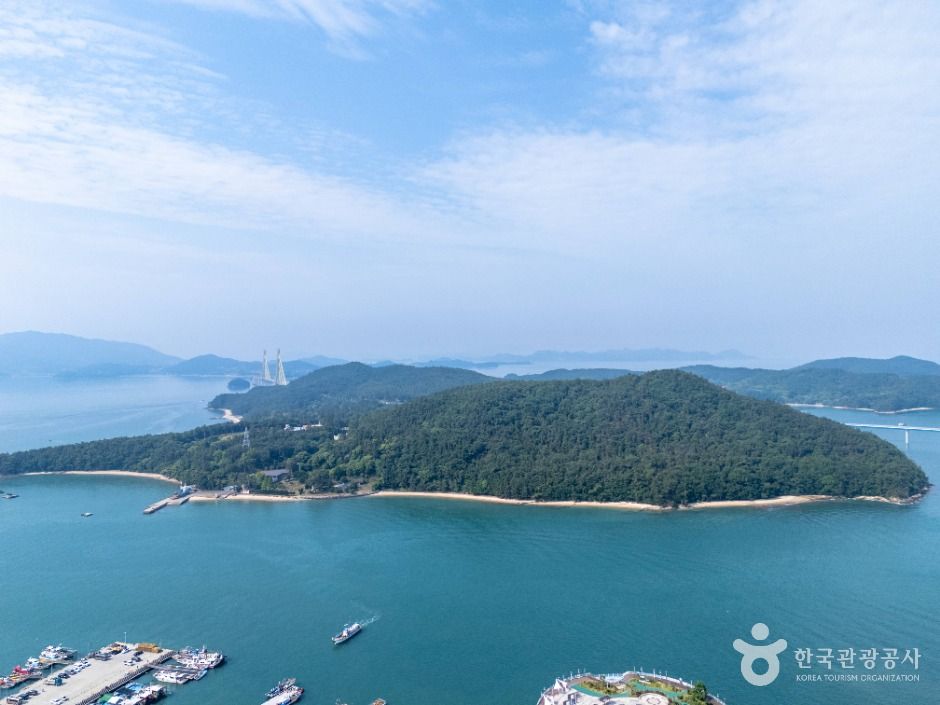
Sorokdo is located less than 1 km from Nokdong Port at the tip of the Goheung Peninsula in Jeonnam, and is called Sorokdo because the shape of the island resembles a young deer. This island is famous for housing the National Sorokdo Hospital for Hansen's disease patients. Although it is an island imbued with the sorrows and joys of former Hansen's disease patients, currently about 700 patients nurture love and hope overcoming their hardships. The island covers an area of only 4.42 km² but is emerging as a new tourist attraction in Goheung-gun due to its clean natural environment, coastal scenery, and historical monuments. From the dockside at Nokdong Port across the Goheung Peninsula, the beautiful small island resembling a deer, Sorokdo, can be seen about 600 m ahead. The Sorok Bridge, opened in 2009, allows access to Sorokdo via National Road 27, making visits more convenient and increasing tourists. The National Sorokdo Hospital began with the Sorokdo Jaheuiwon, established in 1916, which was then the only specialized hospital for Hansen's disease in Joseon. The Central Park was created over 3 years and 4 months starting in December 1936 by forcibly mobilizing over 60,000 patients to form an area of 19,834.8 m² (6,000 pyeong). Even now, entering the park, there are various shaped trees grown by patients, and the whole area is well maintained. Throughout the park, historical monuments preserving the pain of the patients are well preserved. At the park entrance, there are confinement and autopsy rooms from the Japanese colonial period where the hospital director illegally detained Hansen's disease patients and forcibly performed vasectomies on release day without exception. In front of the autopsy room, a poignant poem by a patient who was forcibly vasectomized at age 25 remains, touching the hearts of visitors. There is also a life data center exhibiting various materials showing the history of Sorokdo Hospital and the daily lives of patients. From Nokdong Port, you can take a tour boat to enjoy the refreshing sea breeze and the spectacular scenery of the many bizarre rocks such as Hwalgae Rock and Turtle Rock in the Dadohae Archipelago. Nearby Narodo Beach, with its gentle coastline and shallow waters, is popular as a family vacation spot. About 50 minutes by car from Nokdong is Pallyong Mountain Natural Recreation Forest, where visitors can enjoy mountains, valleys, and spectacular sunrises, as well as stay in mountain huts inside the forest. Within the park, there are monuments reflecting the patients' emotions and philanthropy, such as a barley flute monument dedicated to the Hansen's disease poet Han Haun, a plaque for Director Hanai Zenkichi, a Japanese caretaker revered as Sorokdo's Schweitzer for his devoted care, and the Gu-ra Tower engraved with 'Hansen's disease is curable.' The island also features Sorokdo Beach, where dense pine forests and white sandy beaches are harmoniously blended.
Geogeumdo is an island located in the sea south of Doyang-eup on the Goheung Peninsula, positioned just below Sorokdo. During the Joseon Dynasty, it was called Jeolido (折爾島) and was one of the horse ranches under Doyang牧장. Later, it was incorporated into Gangjin-gun, and in 1897 it belonged to Geumsan-myeon, Dolsan-gun; during the 1914 administrative reorganization, it became part of Geumsan-myeon, Goheung-gun. There are records that it was also called Geoeokgeumdo due to having large gold deposits. The highest point is Jeokdaebong, with many mountains around 400m high, but the west and north sides are gentle hilly terrain. The coast is mostly sandy, but the protruding cape area forms a rocky coast with well-developed marine erosion cliffs.
Good places to stop and rest after the course

Booking and payment continue on a partner site.
Check rooms & price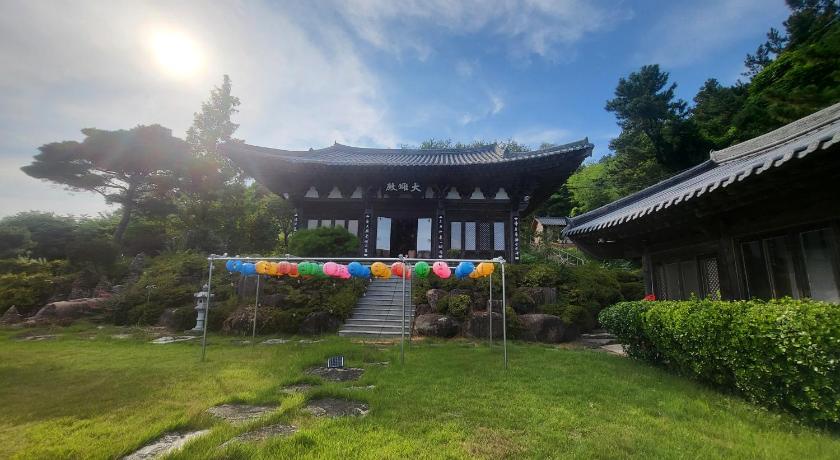
Booking and payment continue on a partner site.
Check rooms & priceSign up to feature your channel.
(As a member, you can add your Instagram, YouTube, and blog links in My Page, and we’ll show them with every comment you write.)
““Stayed near Hongdae and did a night café tour. Perfect city views and vibes.””
Guest comments do not display social media links or profile cards.
Share a short tip about this place.
Or leave a quick comment as a guest.
Photo attachments are available after login.
No reviews yet. Be the first to share your experience!