Playing in Museums and Learning in Nature in Chungcheongbuk-do Cheongju City · schedule Other · distance 20.1km · 4 stops · highlights 한국잠사박물관, Cheongju…

As Cheongju City and Cheongwon County merged, Cheongju now offers even more attractions and food options. The culture, education, and experiences that Cheongju possesses have been enhanced by the addition of nature and culture from the garden, creating a perfect harmony. There are many highly attractive travel destinations not to be missed, ranging from the unique Jamsa Museum and the Forest Science Museum to the Sangseong Cultural Complex, where nature and learning blend together. (Source: Charming Chungcheong that Becomes More Attractive the Longer You Stay.)
This course is a sample one-day itinerary. Save it as-is or expand it into an AI itinerary.
충북 청원군 강내면에 위치한 한국잠사박물관은 우리나라 잠사문화의 어제와 오늘 그리고 내일을 보여준다. 잠사업이 우리나라 전통 산업으로 꾸준히 발전해온 과정과 수출 전략 산업으로 제 역할을 톡톡히 해내는 모습, 그리고 미래 첨단 산업으로 어떤 가능성을 갖는지 두루 살펴볼 수 있다. 누에고치 실뽑기, 뽕잎 따서 누에 밥 주기, 실크 천연염색, 뽕잎차 만들기 등 흥미로운 체험을 통해 잠사문화에 친근하게 접근해본다.
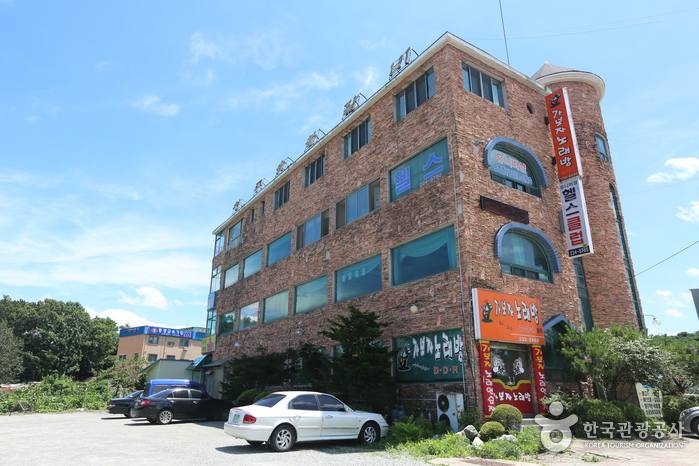
Cheongju Sutbul Galbi is a restaurant that has been in continuous operation since it opened in 1985. The owner prepares food using eco-friendly ingredients grown personally. They also receive deliveries of Korean beef and domestic pork, which are processed directly into fresh ribs and pork ribs. The signature dish is the braised pork ribs set meal. This set meal consists of braised pork ribs, soybean paste stew, and a bowl of rice. Additionally, there are various menus such as Korean beef outside skirt steak, fresh sirloin, assorted special cuts, and raw beef.
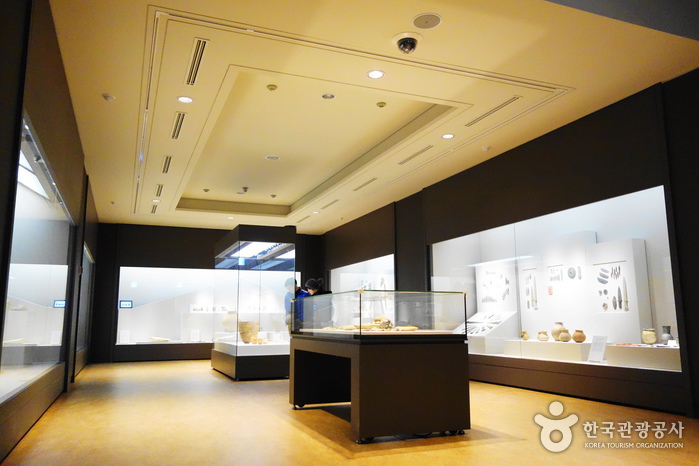
국립청주박물관은 충북지역의 문화유산을 조사ㆍ연구ㆍ전시하고, 다양한 교육프로그램을 통하여 중원문화의 특색을 조명하고자 1987년 10월 30일 개관하였다. 박물관 건물은 우리나라의 대표적인 건축가 김수근 선생이 설계한 한국 현대건축의 기념비적인 작품으로 우암산 동쪽 기슭의 수려한 풍광을 배경으로 자리 잡고 있다.
* A Three Kingdoms period shell-type stone fortress, Sangdang Fortress * The name Sangdang Fortress appears to originate from Sangdang-hyeon of the Baekje period in the Three Kingdoms era. It is a massive shell-type stone fortress exceeding 4km in circumference. The fortress is believed to have first been built as an earthen fortress during the Baekje period, and records suggest that Kim Seohyeon (Wonjeonggong), the third son of Kim Yushin, constructed Seowonsulseong here. Later, it was rebuilt during the Japanese invasions of 1592 (29th year of King Seonjo of Joseon) and converted to a stone fortress during King Sukjong’s reign. According to the Eupji (local gazette), the fortress was renovated with stonework in 1716 (42nd year of King Sukjong) based on the old site, with the names and official titles of those involved in construction inscribed on the southern gate and walls. The pavilion above the south gate was restored in 1977. * Structure and construction method of Sangdang Fortress * Covering an area of 12.6 hectares with a circumference of 4,400 meters, the fortress walls are vertical stone structures built with stones of varying sizes and reinforced inwardly with soil using the inner wedging technique (Naetak Gongbeop), standing 4.7 meters tall. The fortress has three gates on the east, west, and south sides. The south gate features a semicircular arch made of musaseok stone with a wooden pavilion on top. Currently, only the stone foundation remains, with the gate measuring 3.5m in height and 4.2m in width. The east and west gates also had pavilions, built squarely with musaseok stones measuring 2.7m tall and 2.8m wide. Near the east and south gates are one each of secret gates (Ammun), and a water outlet (Sugou) was located in the southeast, though it is now a reservoir. Inside the fortress remain the sites of the East and West Command Posts (Dongjangdae and Seojangdae). Sangdang Fortress is the most representative architectural symbol of Cheongju. Its walls resemble a belt tied around Sangdang Mountain and have protected the city in times of danger. The fortress walls stretch along the ridgeline about 4.2 km with a height of 4 to 5 meters. Partial repairs were made during the Japanese invasions and the stone fortress was rebuilt with square-cut granite in 1716. The compound once contained five ponds, three temples, government buildings, and warehouses. Currently, it features three gates: Goonammun (South Gate), Mihomun (West Gate), Jindongmun (East Gate), two secret gates, three bastions (Chiseong), and three water outlets. The Dongjangdae, where Joseon soldiers trained, was restored in 1992 to recreate its original appearance. After circling the fortress and descending, visitors can enjoy a traditional hanok village within the fortress grounds, where traditional liquors and bindaetteok (mung bean pancakes) provide refreshment after the walk. ※ A cultural tourism guide is stationed here and explanatory tours are available anytime. ◎ Travel tip encountering the charm of Korean Wave - The drama featured Sangdang Fortress as the place King Injo fled during the Qing invasion; it also served as a backdrop for Namhansanseong.
Good places to stop and rest after the course

Booking and payment continue on a partner site.
Check rooms & priceSign up to feature your channel.
(As a member, you can add your Instagram, YouTube, and blog links in My Page, and we’ll show them with every comment you write.)
““Stayed near Hongdae and did a night café tour. Perfect city views and vibes.””
Guest comments do not display social media links or profile cards.
Share a short tip about this place.
Or leave a quick comment as a guest.
Photo attachments are available after login.
No reviews yet. Be the first to share your experience!