
Buyeo the Precious Home of Baekje Culture in Chungcheongnam-do Buyeo County · schedule Other · distance 38.5km · 4 stops · highlights Gwanbuk-ri Site an…

Buyeo, where the most beautiful culture of Baekje and the painful history of its fall coexist. It is the region that contains the most Baekje culture, which is frugal but not shabby, splendid yet not extravagant. In Buyeo, where the spirit of Baekje lives and breathes everywhere you go and everywhere your eyes fall, properly experience the 'Baekje style.'
This course is a sample one-day itinerary. Save it as-is or expand it into an AI itinerary.
The Gwanbuk-ri Site and Busosanseong Fortress are Baekje-era remains located in the northern part of Buyeo-gun, Chungnam. Mount Buso (96.4m), the guardian mountain of Buyeo, features many Baekje relics including Nakhwaam Cliff, Baekhwa Pavilion, Sajarae, Banwolnu, Gungnyeosa, Goran Temple, Busosanseong Fortress, Yeongillu, Samchungsa Shrine honoring Baekje’s last loyal officials Seongchung, Heungsu, and Gyebaek, the military granary site, and the Suhyeol Military Camp site. Busosanseong Fortress is a tebwae-style and pogok-style composite mountain fortress built focusing on the summit of Mount Buso on the southern bank of the Geumgang River. It is believed to have been called Sabiseong or Soburiseong during the Baekje period but is now named after the mountain where it is located. As part of the Baekje capital Sabi city, it is thought to have been constructed around 538 (16th year of King Seong) during the relocation of the capital to Sabi or earlier, to protect the royal palace. The fortress has been repaired repeatedly before and after Baekje’s fall and has survived to this day. The Gwanbuk-ri Site, located at 725 Gwanbuk-ri beneath the fortress, has yielded road remains, drainage facilities, and pottery through excavations and is currently presumed to be the royal palace site. Recognized for their significance, the Gwanbuk-ri Site and Busosanseong Fortress are designated historic sites and part of the UNESCO Baekje Historic Areas. The virtual experience center of Sabiseong allows visitors to feel the relics more vividly, and the annual Dae Baekje Festival is held each autumn. Nearby attractions include Jeongrimsa Temple Five-story Stone Pagoda, Buyeo Gua-ri site, Buyeo Ssangbuk-ri site, Buyeo Hyanggyo Confucian School, Gungnamji Pond, and the National Buyeo Museum.
Buyeo Royal Tombs are a group of Baekje tombs located in Neungsan-ri to the east of the Buyeo-gun administrative area in Chungnam. The tombs are arranged in two rows facing south on a slope, with three tombs in each row and one additional tomb at the highest back point, totaling seven tombs. Known as royal tombs for a long time, the tombs have circular earthen mounds on the outside and inside feature corridor-type stone chamber tombs (horizontal stone chamber tombs) with the lid stones all constructed underground. Tomb No. 1 is a single chamber tomb with a rectangular burial chamber and corridor; its corridor is relatively long and flares wider toward the outside like a trumpet shape. The four walls and ceiling of the burial chamber are painted with murals of the Four Symbols, lotus patterns, and cloud motifs, which show influence from Goguryeo. Tomb No. 2 has a tunnel-shaped ceiling like Gongju’s Muryeong Royal Tomb and is considered the earliest constructed. Tombs No. 3 and No. 4 have flat stone slab ceilings, made by tilting the ceiling halfway and covering it with stone slabs, and have short corridors. This style is common in Buyeo and appears to have remained popular until the end. From a temple site west of the tomb cluster, Baekje gilt-bronze incense burners (National Treasure) and Baekje Changwangmyung stone sarira cases (National Treasure) were excavated, further supporting their royal status. Recognized for their value, the tombs are designated as a historic site and included in the UNESCO World Heritage Baekje Historic Areas. Nearby tourist attractions include Buyeo Neungan-gol tomb cluster, Buyeo Naseong, Buyeo Jungjeong-ri Baekje building remains, and the National Buyeo Museum.
Gungnamji is a pond from the Baekje period, created by King Mu of Baekje on the south side of the palace, as recorded in the Samguk Sagi. The Samguk Yusa states that King Mu's mother conceived him through an encounter with a dragon in Gungnamji. Around the pond are wells and foundation stones remaining, representing the oldest artificial landscaping in Korea, showcasing Baekje's gardening technology. Gungnamji, with an island in the pond symbolizing Taoist ideas, is Korea's oldest artificial garden. Baekje gardener No Jagong reputedly traveled to Japan to share Baekje garden landscaping techniques. This shows Baekje’s excellence in garden design among the Three Kingdoms. It is a tourist site beautiful through all four seasons. Today, Gungnamji has developed into an ideal eco-friendly travel destination harmonizing nature and humans, with active efforts to preserve the natural environment. Visitors can experience history and nature simultaneously, with eco-friendly travel options such as bicycle and walking paths. Exploring the heritage sites deepens understanding of the historic value of the location. In July, the Seodong Lotus Festival showcases ten million blooming lotuses, and in October to November, the Goodttrae Chrysanthemum Exhibition, featuring various works, enhances the beauty of Gungnamji.
Muryangsa, a thousand-year-old temple located in Oesanmyeon, Buyeo-gun, Chungnam, is nestled at the foot of Mansu Mountain. Founded by Ven. Beomil during the reign of King Munmu of Silla, it has undergone several restorations to the present day. As the nation's foremost Amitabha prayer site, after passing through the Four Heavenly Kings Gate, the principal building, Muryangsa Geungnakjeon, designated as a treasure, comes into view. The Four Heavenly Kings Gate offers the best view of Muryangsa’s beauty, with the two-story Geungnakjeon without floor separation, the five-storied stone pagoda (treasure), and the stone lantern (treasure) lined up in a spectacular row. The Geungnakjeon houses the magnificent Amitabha Buddha triad statue (treasure). Muryangsa is also where Kim Si-seup, a member of the six martyred ministers known as Saengyuksin, passed away. His stupa and portrait are within the temple grounds. Although administratively part of Buyeo-gun, it is closer to Boryeong city center.
Good places to stop and rest after the course

Booking and payment continue on a partner site.
Check rooms & price
Booking and payment continue on a partner site.
Check rooms & price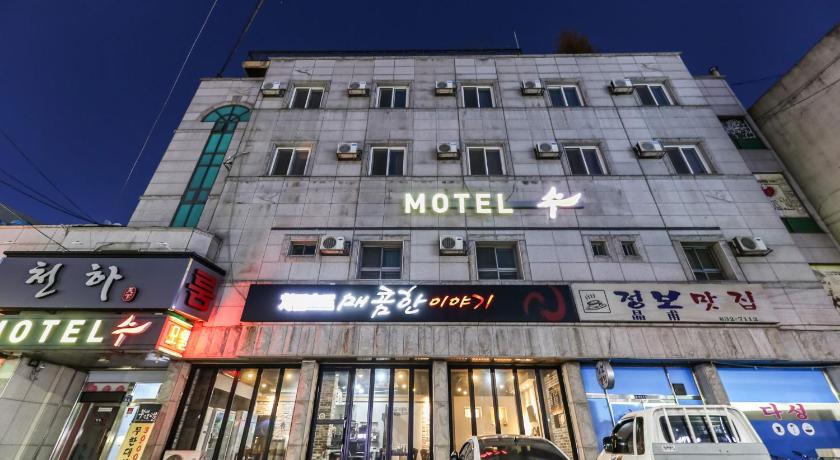
Booking and payment continue on a partner site.
Check rooms & priceSign up to feature your channel.
(As a member, you can add your Instagram, YouTube, and blog links in My Page, and we’ll show them with every comment you write.)
““Stayed near Hongdae and did a night café tour. Perfect city views and vibes.””
Guest comments do not display social media links or profile cards.
Share a short tip about this place.
Or leave a quick comment as a guest.
Photo attachments are available after login.
No reviews yet. Be the first to share your experience!
![Gwanbuk-ri Site and Busosanseong Fortress [UNESCO World Heritage] 1](https://tong.visitkorea.or.kr/cms/resource/56/1601156_image2_1.jpg)
![Gwanbuk-ri Site and Busosanseong Fortress [UNESCO World Heritage] 2](https://tong.visitkorea.or.kr/cms/resource/64/1601164_image2_1.jpg)
![Gwanbuk-ri Site and Busosanseong Fortress [UNESCO World Heritage] 3](https://tong.visitkorea.or.kr/cms/resource/70/1601170_image2_1.jpg)
![Gwanbuk-ri Site and Busosanseong Fortress [UNESCO World Heritage] 4](https://tong.visitkorea.or.kr/cms/resource/77/1601177_image2_1.jpg)
![Buyeo Royal Tombs [UNESCO World Heritage] 1](https://tong.visitkorea.or.kr/cms/resource/30/3037630_image2_1.JPG)
![Buyeo Royal Tombs [UNESCO World Heritage] 2](https://tong.visitkorea.or.kr/cms/resource/31/3037631_image2_1.JPG)
![Buyeo Royal Tombs [UNESCO World Heritage] 3](https://tong.visitkorea.or.kr/cms/resource/32/3037632_image2_1.JPG)
![Buyeo Royal Tombs [UNESCO World Heritage] 4](https://tong.visitkorea.or.kr/cms/resource/33/3037633_image2_1.JPG)


