Climbing Yongdusan to view Busan Port in Busan Jung-gu · schedule Other · distance 211km · 4 stops · highlights Gwansuyok and Choryang Waegwan Site, Gwa…

Busan is a region that has interacted with nearby yet distant Japan for a long time. Through the Joseon Tongsinsa, Korean culture was shared with the Japanese, and essential daily goods were supplied through trade. More than that, a Waegwan (Japanese trading post) was established on our territory, creating a Japanese village. Moreover, Korean subjects were conscripted for the construction of the Waegwan, and much money was spent on it. This can be considered a kind of sunshine policy during the Joseon Dynasty. By touring the Yongdusan Park area, where some of those times’ features remain, you can observe the terrain reshaped by the start of Japanese residence. It can be an opportunity to correctly understand our history through Busan’s modern and contemporary history. Source: Busan Tourism Organization
This course is a sample one-day itinerary. Save it as-is or expand it into an AI itinerary.
Gwansuyok was the residence of the chief official (gwansu) of Choryang Waegwan. At that time, the city area first developed around the eastern side of Yongdusan Mountain, as it was close to the pier where ships docked. Japanese people arrived by ship, settled mainly in the east, and likely passed by Gwansuyok to enter Waegwan. The site where Gwansuyok once stood still has stone stairs remaining today. Choryang Waegwan played a central role in trade between Japan and Korea. Built around Yongdusan Mountain, the Waegwan included shrines and various facilities for Japanese residents. Today, a monument marking the Choryang Waegwan Site stands at the intersection of three park entrances, indicating that this location was once Choryang Waegwan.
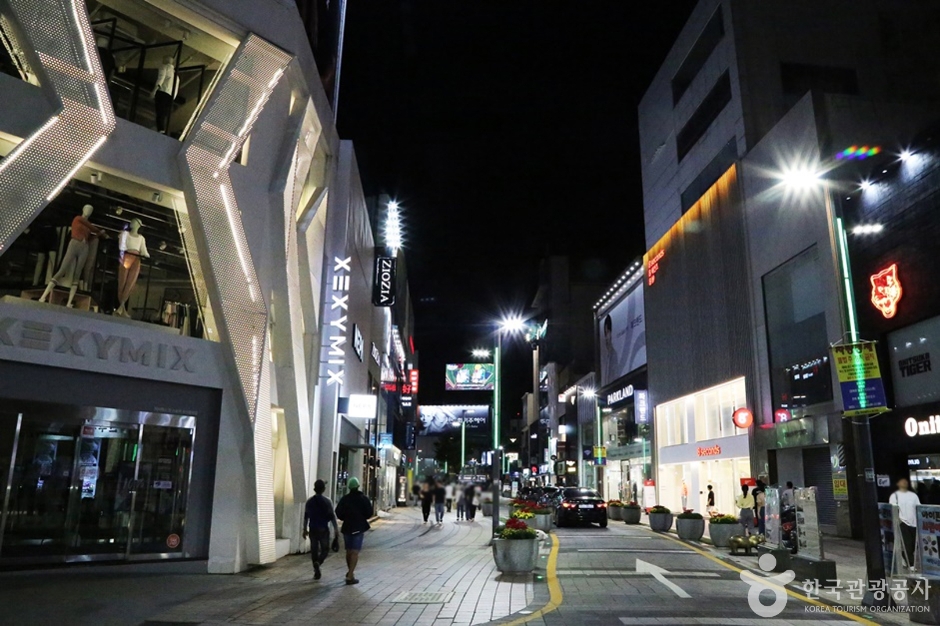
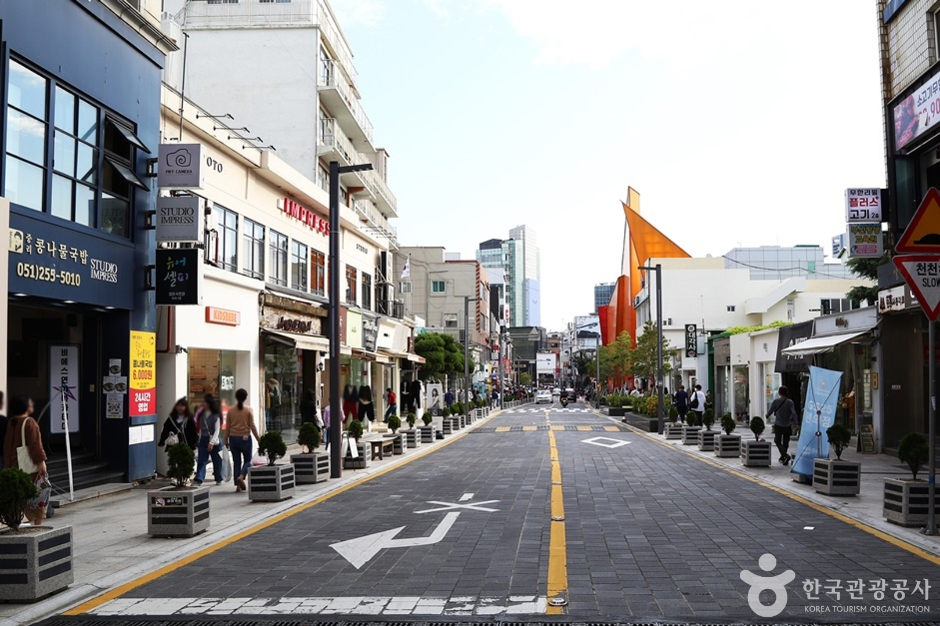
Gwangbok-ro Fashion Street is built on a site that was once a river, now covered and used as a road, with clothing stores established on both sides for a long time, giving the street its name. The fashion street stretches from the Nonghyup Busan branch at the start of Gwangbok-ro to the entrance of the Gukje Market food alley. This area gathers clothing and shoes from Korea and attracts so many visitors on weekends and evenings that it becomes very crowded. Every December, organized by Jung-gu Office, the Gwangbok-ro Winter Light Tree Festival takes place, decorating the street beautifully with various lights and models. During the festival, Gwangbok-ro becomes a car-free zone, allowing visitors to enjoy the event leisurely. Gwangbok-ro Cultural Fashion Street is filled with culture, fashion, and popular eateries, offering a vibrant and youthful atmosphere to visitors.
Yongdusan is one of Busan's three great mountains. In the past, it was called Songhyunsan because the sea could be seen through thick pine trees, but it was later named Yongdusan because its shape resembles a dragon swallowing the Japanese pirates who came from Japan. Yongdusan Park features the Busan Tower observatory, Admiral Yi Sun-sin statue, Baeksan Ahn Hee-jae statue, bell pavilion, flower clock, and dragon-shaped sculptures. There is an escalator connecting Nampo-dong to the park. From Yongdusan Park, you can enjoy views of Busan Port and Yeongdo. Climbing Busan Tower, the highest point of the park, offers beautiful night views of Busan Port, Namhang, and the city. This park serves not only as a walking trail accessible at any time for citizens but also as a resting place, famous among foreigners, and frequently used by elderly people and nearby residents for walks.
Daegaksa is a temple located in the center of Busan city. It began as the Dongwon branch temple of Jodo Shinshu Buddhism during the opening period, known as the Busan branch under Japanese administration. The Dongwon Busan branch was the pioneer of Japanese Buddhism missionary work in Korea during the opening period and had the largest number of Japanese believers in Busan at the time. After liberation, the Dongwon Busan branch became government property. When the government’s Property Management Bureau handled the property disposal, the land and buildings were auctioned and reorganized into the Gyeongnam Buddhist Administration Office before being newly established as a Korean temple by its founder. Only the bell and stone lantern remain from before the founding; the Daeungjeon hall and the Buddha’s relic pagoda were built later. The current Daeungjeon is a special architectural reinforced concrete structure without central pillars, capable of accommodating about 1,000 people.
Good places to stop and rest after the course

Booking and payment continue on a partner site.
Check rooms & price
Booking and payment continue on a partner site.
Check rooms & price
Booking and payment continue on a partner site.
Check rooms & price
Booking and payment continue on a partner site.
Check rooms & price
Booking and payment continue on a partner site.
Check rooms & priceSign up to feature your channel.
(As a member, you can add your Instagram, YouTube, and blog links in My Page, and we’ll show them with every comment you write.)
““Stayed near Hongdae and did a night café tour. Perfect city views and vibes.””
Guest comments do not display social media links or profile cards.
Share a short tip about this place.
Or leave a quick comment as a guest.
Photo attachments are available after login.
No reviews yet. Be the first to share your experience!