Animal farm visit and the joyful energy of Korean culture in Gyeonggi-do Anseong City · schedule Other · distance 53km · 3 stops · highlights Neorigul C…

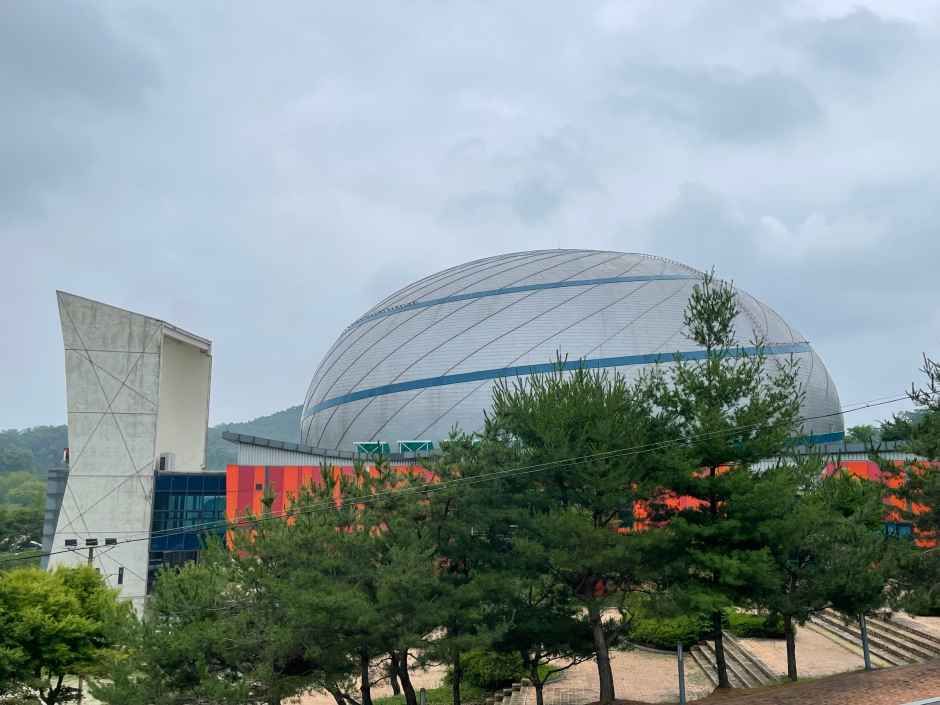
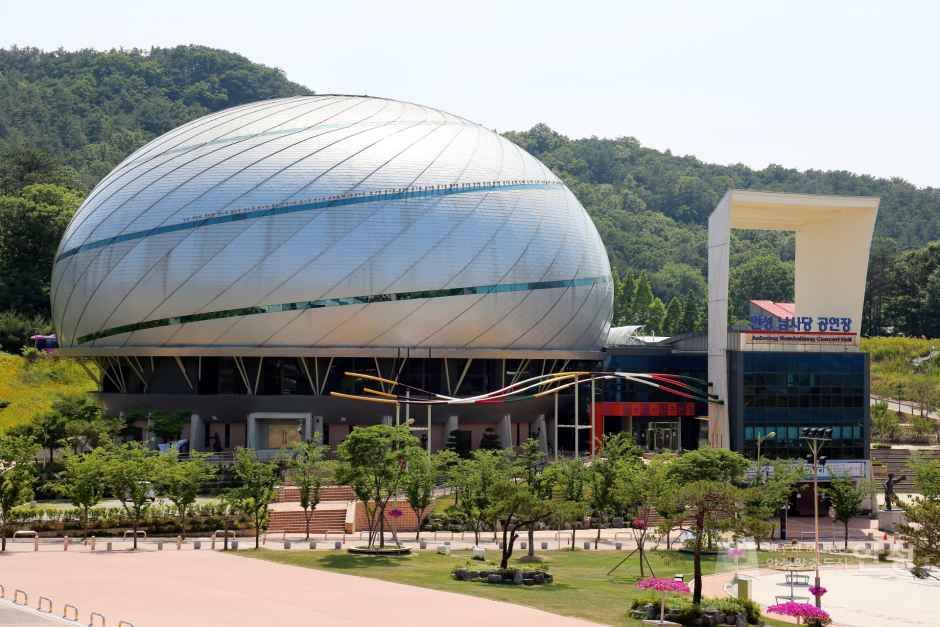
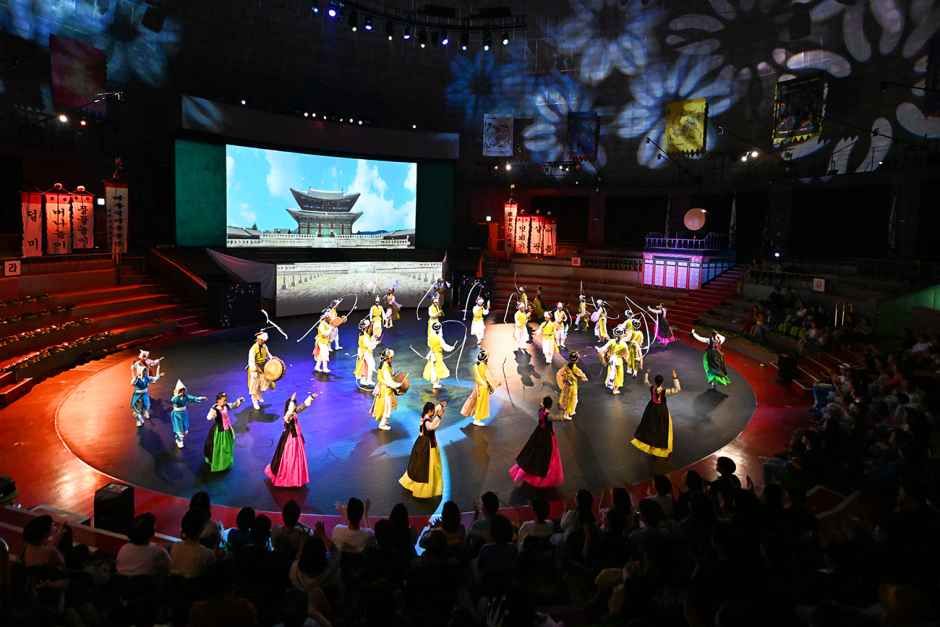
Running across vast grasslands and feeding animals directly is the best gift for children to enjoy nature. Along with livestock experiences at Anseong Farmland, the craft experiences at Neorigul Cultural Village are also enjoyable. Visiting workshops slowly while feeling the artistic atmosphere is recommended. Do not miss Chiljangsa Temple, said to have been founded by monk Jajang during Queen Seondeok of Silla's reign, and the Namsadang Jeonsugwan where Namsadangdo performances are held.
This course is a sample one-day itinerary. Save it as-is or expand it into an AI itinerary.
Neorigul Cultural Village is a mountain village located at the foothills of Bibongsan, equipped with a campground, pension, and various cultural spaces. The word Neorigul means 'wide valley' in the Anseong dialect. The village blends nature and art, featuring an auditorium, meeting rooms, pension accommodations, caravans, a sports field, swimming pool, café, and art shop. Numerous artworks are found throughout the village, which uses natural materials without altering the environment, offering scenic views of Bibongsan and the changing natural beauty through the four seasons. The Neorigul Art Shop is a unique and distinctive space showcasing outcomes of various cultural and artistic programs held in Neorigul. Visitors can purchase items at affordable prices, including pottery, accessories, household goods, and metal crafts by the intangible cultural property artist Lee Kyung-ja. Cultural and art programs available for participation include a leather workshop to make personalized items like bracelets, wallets, and bags; a pottery workshop using a wheel to create bowls; and a science class.
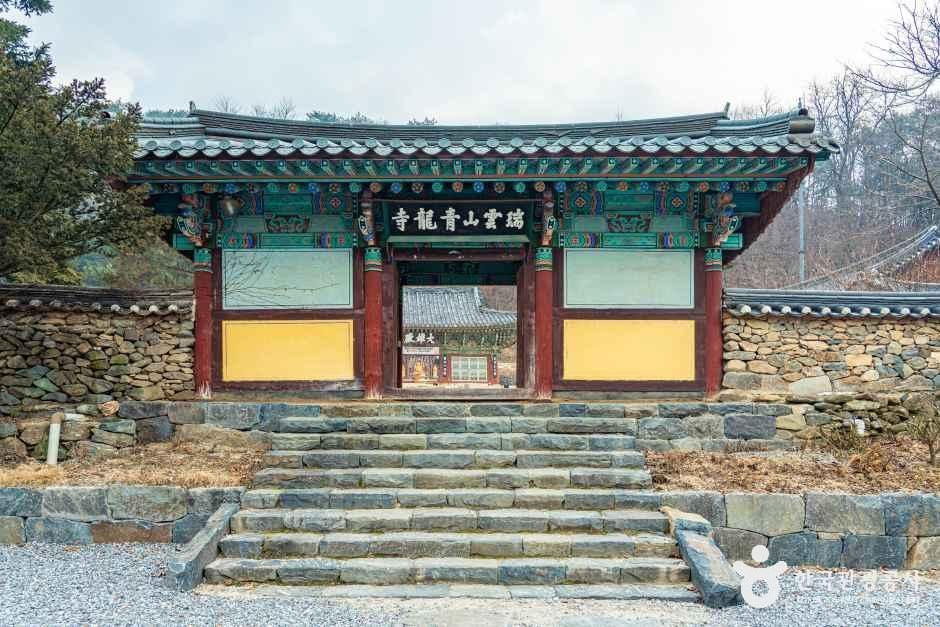
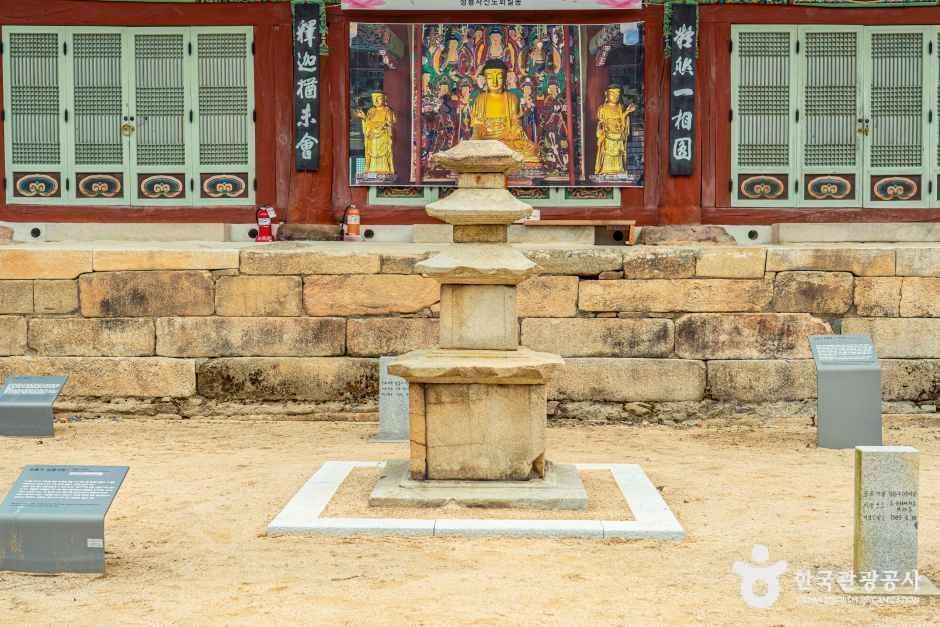
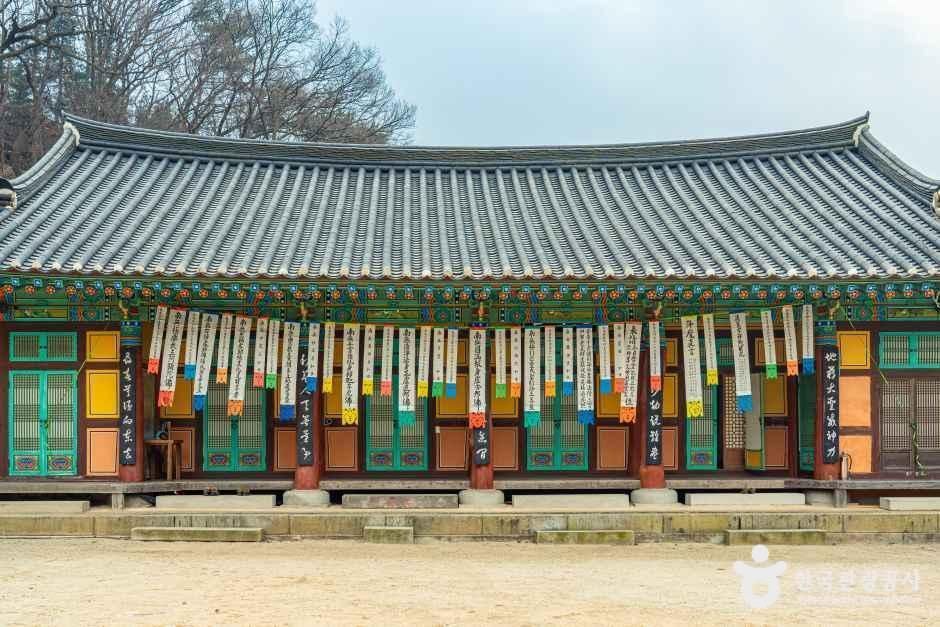
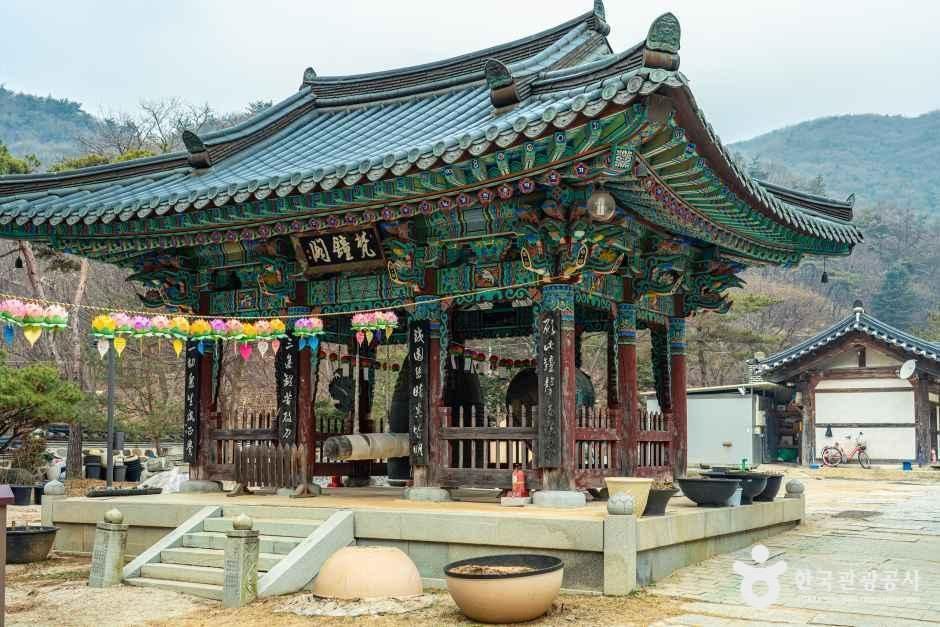
Cheongryongsa was founded in 1265 at the foot of SeounsAN by the monk Myeongbon Guksa. Originally named Daejangam, it was extensively rebuilt and renamed Cheongryongsa in 1364 by the monk Naong Hwasang. The name Cheongryongsa originates from the story that Naong Hwasang saw a blue dragon descending on clouds while searching for the temple site to cultivate Buddhism. Within the temple are the Daeungjeon, Gwaneumjeon, Gwaneum Cheonghyanggak, and Myeongbujeon halls, as well as a three-story stone pagoda said to have been erected by Myeongbon Guksa. The Daeungjeon is a multi-bracketed hipped-and-gabled building extensively rebuilt during the late Goryeo period under King Gongmin, representing valuable original Goryeo architectural style. Inside the prayer hall is a 5-ton bronze bell made in 1674, and a large hanging Buddhist painting with stone pillars in front of Daeungjeon for hanging it. These pillars were constructed from large, winding trees stripped only of their bark, preserving the natural grain of the wood. Nearby tourist attractions include SeounsAN, Chiljangsan, Mirinae Holy Ground, and Jukjusan Fortress.
A themed local event featuring performances, exhibitions, market-style booths, and visitor experiences in a welcoming atmosphere.
Good places to stop and rest after the course

Booking and payment continue on a partner site.
Check rooms & price
Booking and payment continue on a partner site.
Check rooms & price
Booking and payment continue on a partner site.
Check rooms & price
Booking and payment continue on a partner site.
Check rooms & priceSign up to feature your channel.
(As a member, you can add your Instagram, YouTube, and blog links in My Page, and we’ll show them with every comment you write.)
““Stayed near Hongdae and did a night café tour. Perfect city views and vibes.””
Guest comments do not display social media links or profile cards.
Share a short tip about this place.
Or leave a quick comment as a guest.
Photo attachments are available after login.
No reviews yet. Be the first to share your experience!