英月的面条之爱三餐套餐 in 江原特别自治道 永月根 · schedule 其他 · distance 32km · 5 stops · highlights Gossi Cave, Cheongryeongpo, Yeondang Dongchimi Guksu

这是一个可以品尝英月面条的三餐套餐。在特别喜爱面条的英月,可以尝到各种面条。从辣味葛根面到冬菜水泡面和小鱿鱼面,这些都是饥饿时期的珍贵食物。可以游览躲避壬辰倭乱的高氏洞穴和形似朝鲜半岛地形的英月名胜,享受三餐面条。
这条路线是单日行程示例。你可以直接保存,或扩展为 AI 行程。
Gossi Cave, where you can glimpse 400 million years of mystery, is one of Korea's representative caves. The name comes from the Gossi family who took refuge here during the Imjin War; it is also said to have been used as a religious site. In the past, visitors crossed the 130m wide Namhan River by ferry to reach the entrance, but now a bridge connects directly to the cave entrance. Designated a natural monument on June 4, 1969, it is a cave of great academic and natural heritage value protected by the state, and it was opened to the public on May 15, 1974. Gossi Cave is a typical limestone cave with a multi-layered structure. The lower layer is a horizontal cave where groundwater flows like a small stream, with passages developed in a southwest direction from the entrance. The main cave is about 950m long, side caves total approximately 2,438m, making the total length 3,388m; around 500m is developed for tourism and open to the public. The main cave mainly formed along joints in the limestone, while subsidiary caves developed along bedding planes. Inside, various speleothems such as stalactites, stalagmites, columns, cave corals, flowstone, curtains, cave pearls, pisolites, shields, helictites, and draperies are found, with rare speleothems growing at many points. Notably, black-colored cave formations in the off-limits area are a unique feature of Gossi Cave.
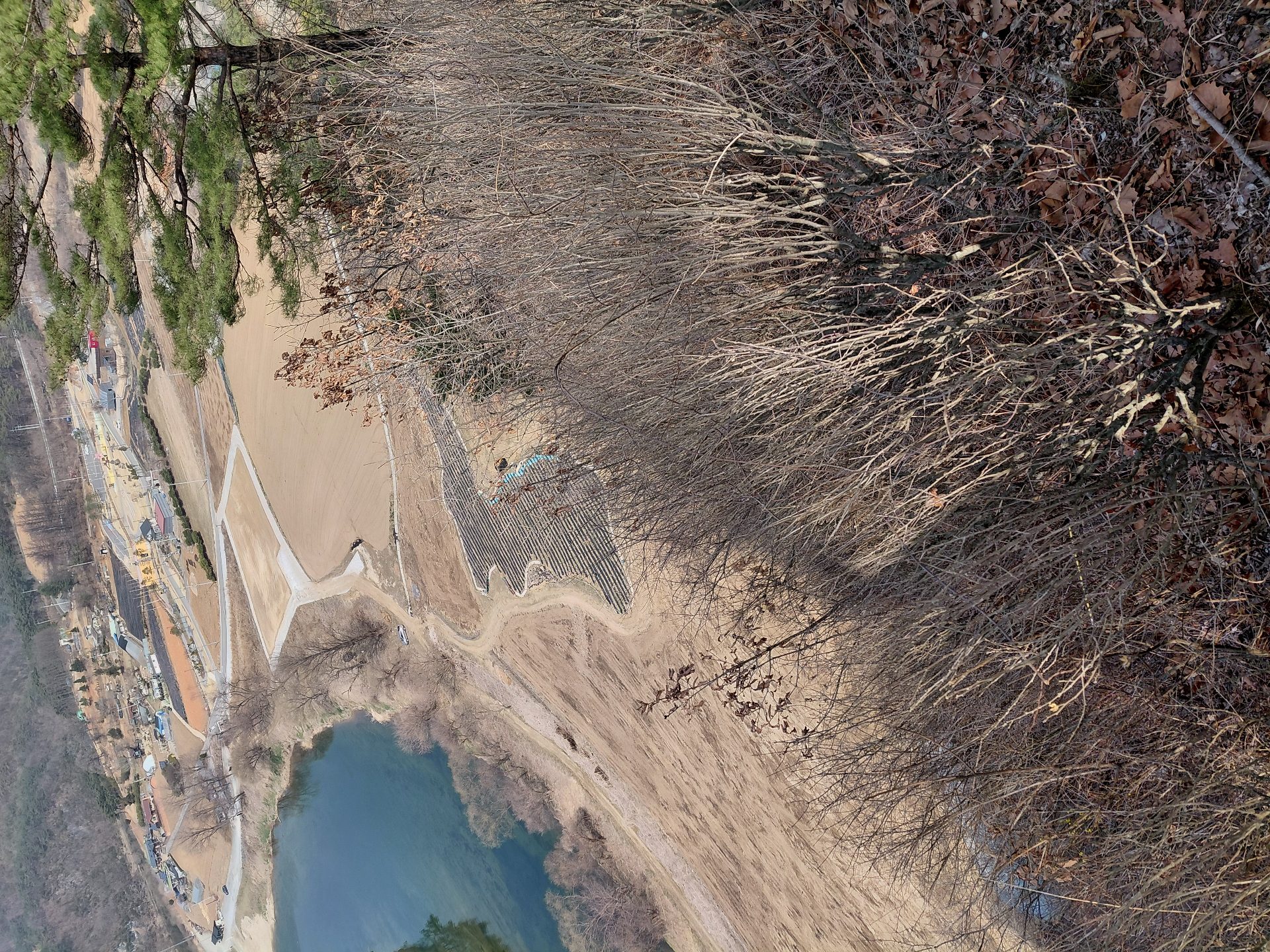
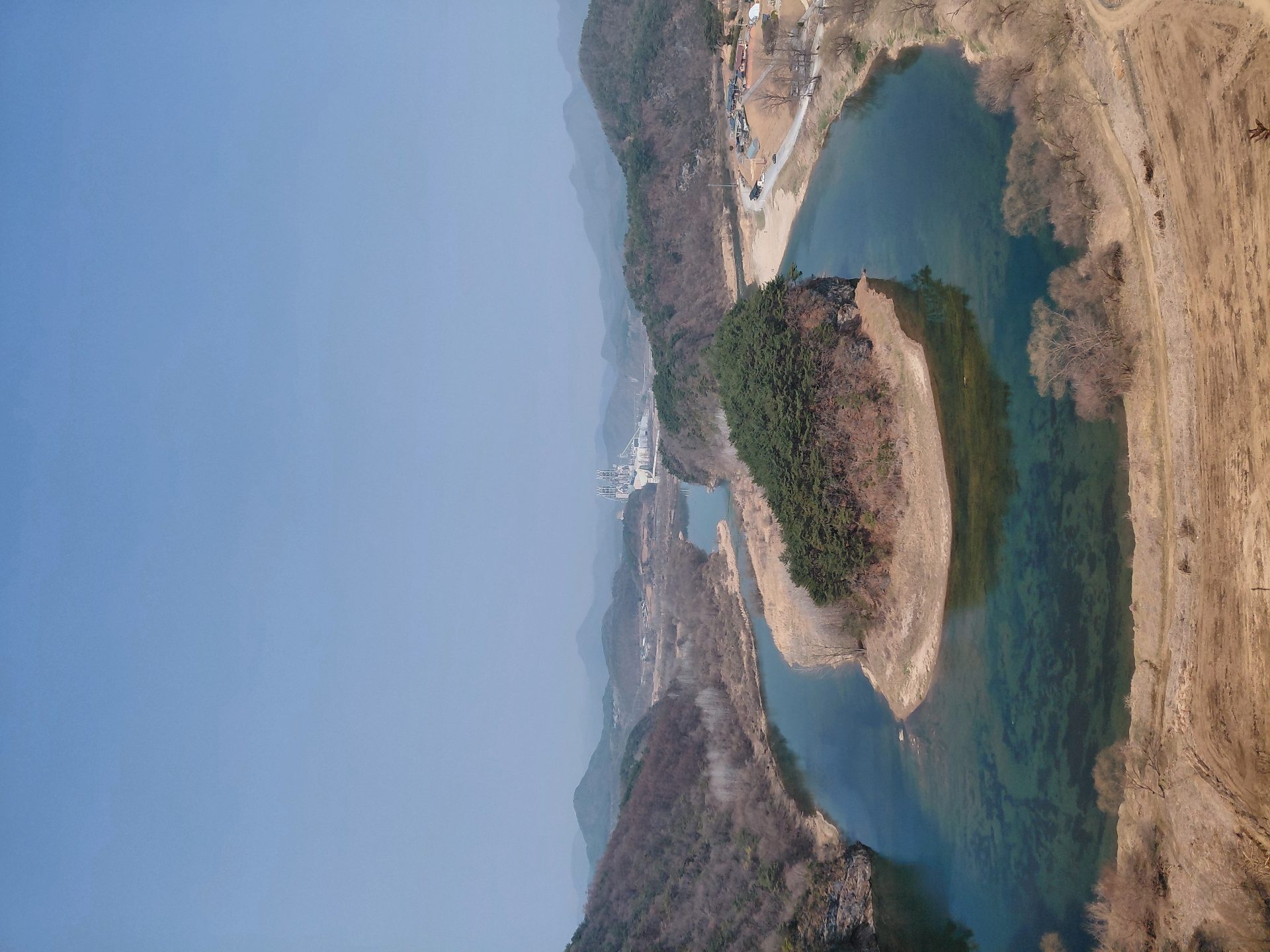
Located upstream of the Namhan River in Gwangcheon-ri, Nam-myeon, Yeongwol-gun, this place was where Danjong, who was dethroned and exiled to Yeongwol, stayed. Danjong, the 6th king of Joseon, abdicated the throne to his uncle Grand Prince Suyang and lived as the retired king. The following year, in 1456, the plot by Seong Sammun and the six martyred ministers to restore the retired king was leaked in advance, and so Danjong was demoted to Nosan-gun. Later, protected by 50 soldiers led by Eo Deokhae, a military official, he was exiled to Cheongryeongpo via Wonju and Jucheon. Cheongryeongpo is surrounded by water on the east, south, and north sides, and a rugged cliff called Yukyukbong rises to the west, making it like an island accessible only by boat. Danjong lived a secluded exile life here, cut off from the outside world. At that time, there was a house for him to stay, and it is said that the local headman Eom Heung-do secretly visited him at night. Because it is like an island with beautiful scenery, it is a famous attraction frequently visited by tourists. (Source: Yeongwol Culture and Tourism Homepage)
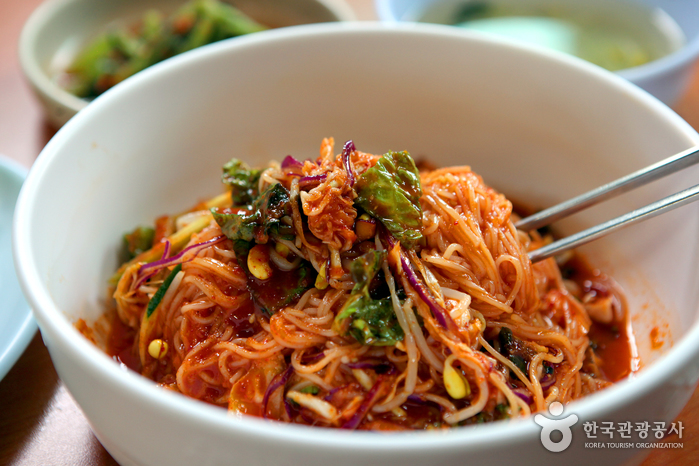
Yeondang Dongchimi Guksu has been serving North Korean-style dongchimi noodles for a long time. The signature dish, dongchimi guksu, is made by boiling thin wheat noodles and mixing them with dongchimi that has been well fermented for 4 to 6 months. The dongchimi is made by fermenting napa cabbage, chili, chives, carrot, and radish. Although nothing else is added to the noodles, the dongchimi itself is refreshing and flavorful. Located in the town where historic sites related to King Danjong, such as Cheongryeongpo and Jangneung, are concentrated, it is perfect for visiting Yeongwol attractions. Seondol, overlooking the Seogang River, is also just 10 minutes away.
Named for its resemblance to the Korean Peninsula, this terrain was formed by the erosive action of an incised meandering river flowing around the Hanbando terrain. Here, you can observe limestone found in this region, the meandering Seogang River, the formation process of the Hanbando terrain, dolines, and the uses of limestone. (Source: Gangwon Paleozoic National Geopark)
Located in Jucheon-myeon, Yeongwol-gun, this restaurant specializes in makguksu and is famous as a long-established eatery run by the same family for three generations. The signature dish of Jecheon Restaurant is Kkoldouguksu. Historically, it was a noodle dish made from buckwheat, commonly eaten during times when there was little food in the mountainous regions of Gangwon-do. It was called Kkoldouguksu because it was eaten so often that people grew tired of seeing it. The restaurant first opened in 1973 and, despite the long history, still dries, mills, and kneads buckwheat by hand to make the noodles. Since the noodles are made of buckwheat, they have no chewiness and break easily; the broth is mild and savory with almost no spiciness. Besides Kkoldouguksu, you can also enjoy cold noodles, boiled pork slices, tofu hot pot, and potato pancakes.
优先展示路线结束后方便休息的住宿
注册成为会员,让更多人认识你的频道。
(成为会员后,在“我的页面”中设置 Instagram、YouTube、博客链接,我们会在你发表的每条评论旁一起展示。)
““住在弘大附近,晚上去了一圈咖啡馆,城市夜景和氛围都太完美了。””
以访客身份发表的评论,不会显示任何社交账号链接或个人资料卡片
分享一条关于这个地点的小贴士吧。
或者以访客身份快速留下一个评论。
请登录后再上传照片。
还没有任何评论,快来写下你的第一条感受吧!