拥抱千年之光的美丽温暖之地,荣光! in 全罗南道 永光郡 · schedule 1晚2天 · distance 47.7km · 4 stops · highlights Won Buddhism Yeongsan Sacred Site, Baekje Buddhism First Arrival…

此次旅行路线从缓解内心郁闷的白水海岸公路开始,可以感受到荣光宁静土地所蕴含的自然、承载荣光深沉苦恼的宗教以及荣光热忱开创的文化。最后,在七山塔回顾这一切,深刻铭记荣光。
这条路线是 2 天行程示例。你可以直接保存,或扩展为 AI 行程。
Won Buddhism is a religion founded by Sot'aesan Park Jungbin, who was born in Yeongchon Village, Gillyong-ri, Baeksu-eup, Yeonggwang-gun, and it is said to have about 500 churches and 1 million believers worldwide. The sacred sites in Won Buddhism include this Yeongsan Sacred Site in Yeonggwang where Great Master Sot'aesan was born and founded the religion, Iksan Sacred Site (Sinryong-dong, Iksan-si) where the teaching activities were conducted, and Byeonsan Sacred Site where the doctrine was drafted and the teaching principles were announced. After Great Master Sot'aesan was born, grew up, and finally greatly enlightened the truth of the universe and life through his spiritual journey, he laid the foundation of the church along with his disciples through the Savings Association, Dialect Construction, and Legal Religious Activities. This refers to the Gillyong-ri area in Baeksu-eup, Yeonggwang-gun. At this founder’s sacred site, there are the master's birthplace, prayer site Sambatjae, Madang Rock, Norumok where enlightenment was attained, Jungwanpyeong Dialect Rice Field made by blocking the sea with disciples, Jaemyeong Rock of Dialect Construction, Guin Prayer Peak, Yeongsanwon, Daegakjeon, Yeongmojeon, Yeongsan Seonhak University, and the Beomhyeondong Lee family shrine, attracting many pilgrims from across the country.
The spread of Buddhism on the Korean Peninsula during the Three Kingdoms Period is clear in Goguryeo (in the 2nd year of King Sosurim under the Jin general Buyeon) and Silla (during King Nulji Maripgan with the monk Mukhoja), with clear routes of transmission and initial preaching sites, but the transmission route and first arrival site of Baekje Buddhism were unclear. It has been orally passed down that the Indian monk Marananta Jonja came to Beopseongpo in Yeonggwang, preached Buddhism, and founded Beopgapsa Temple, marking the start of Baekje Buddhism. In 1998, academic verification by Yeonggwang-gun (Dongguk University) established that Yeonggwang land is the first arrival site of Baekje Buddhism. Beopseongpo Jawoo-du is the place where Indian monk Marananta first set foot in Baekje in A.D. 384, coming via the Eastern Jin dynasty of China, and it is being developed as a tourist attraction to commemorate this. The 'Beop' (法) in Beopseongpo refers to Buddhism, and 'Seong' (聖) refers to the saint Marananta. * Site area - 45,439㎡ (13,745 pyeong)
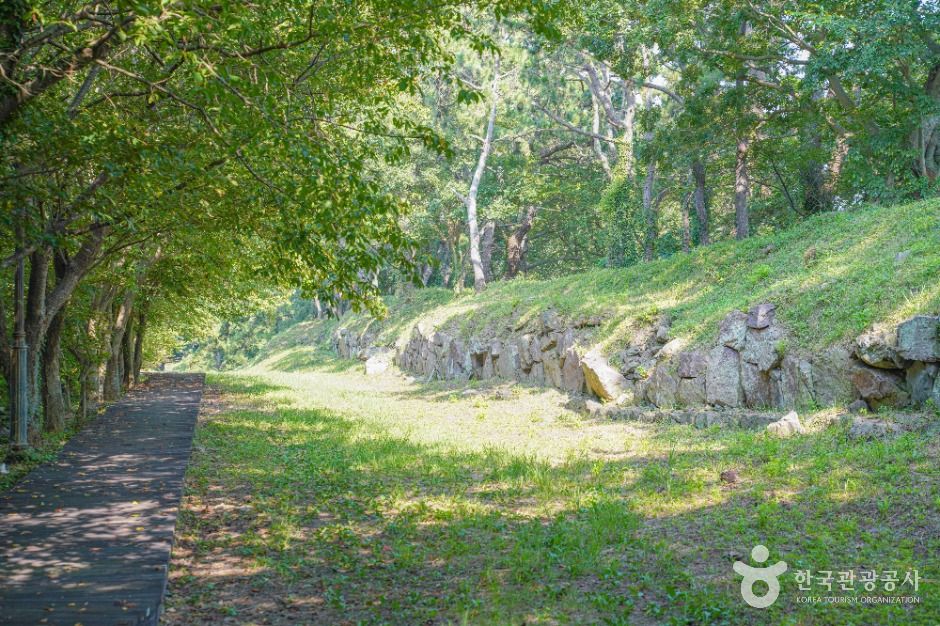
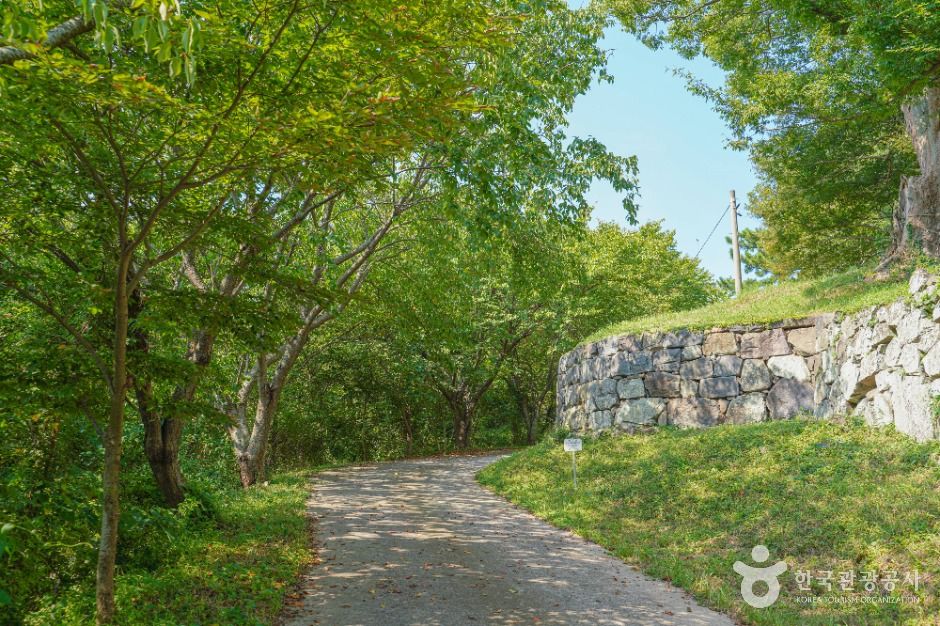
Beopseongjin Fortress was built in 1514 by piling stones on Inuisan to defend Beopseongchang, an important defensive port and granary for the Jeolla region. Initially, the fortress walls had a circumference of about 800 meters, but the remaining walls today measure approximately 460 meters. The entire north wall is preserved, while only parts of the west and east walls remain. Originally, the fortress had four main gates: Sangdongmun, Hadongmun, Seomun, and Nammun, but all gatehouses have vanished, leaving only traces. Inside the fortress, there were the navy's south gate, a guest house, Dongheon (local government office), and military flag storehouse. Artifacts dating to the Joseon Dynasty, including roof tiles, porcelain, and earthenware, have been excavated here. The walls bear inscriptions naming the local military districts involved in construction, lengths built, construction supervisors, and financial officers. These records provide valuable insight into personnel mobilization and construction systems of the time, making this site of great historical and academic significance for studying Joseon-era fortresses.
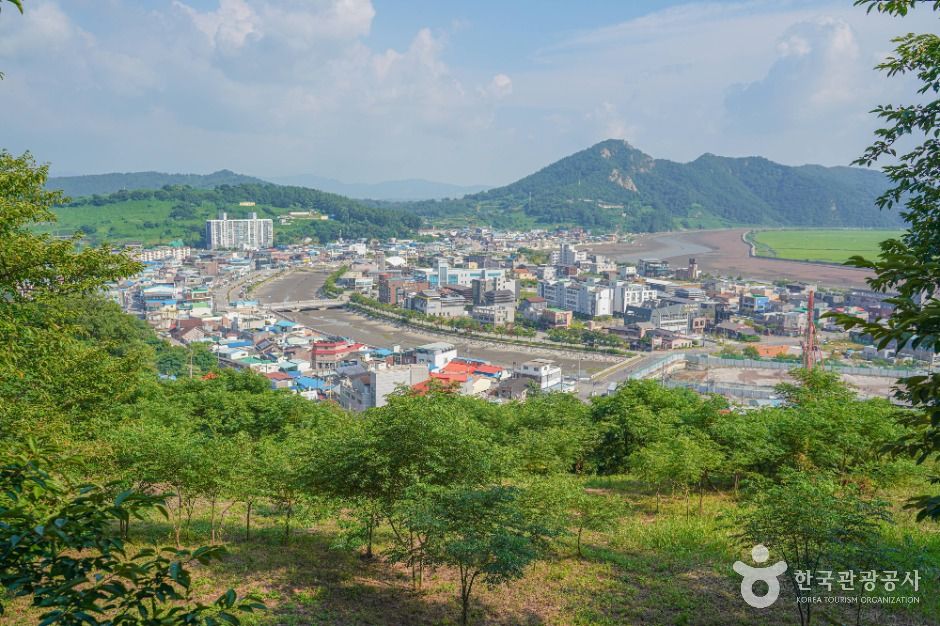
Chilsan Tower is the tallest observatory in Jeollanam-do at 111 meters, symbolizing the unity of Yeonggwang-gun's 11 eup and myeon. The first floor houses the passenger waiting room, a convenience store, and a seafood sales center. The second floor features restaurants and a sashimi center. The highlight is the observatory on the third floor. From the observatory, visitors can see the vast Chilsan sea and surrounding land all at once, naturally inspiring awe.
优先展示路线结束后方便休息的住宿
注册成为会员,让更多人认识你的频道。
(成为会员后,在“我的页面”中设置 Instagram、YouTube、博客链接,我们会在你发表的每条评论旁一起展示。)
““住在弘大附近,晚上去了一圈咖啡馆,城市夜景和氛围都太完美了。””
以访客身份发表的评论,不会显示任何社交账号链接或个人资料卡片
分享一条关于这个地点的小贴士吧。
或者以访客身份快速留下一个评论。
请登录后再上传照片。
还没有任何评论,快来写下你的第一条感受吧!