春阳旋律,春风曲调 in 忠清北道 荣东郡 · schedule 其他 · distance 39km · 3 stops · highlights 난계국악박물관, Yeongdong Nangyesa Shrine, Nangye Park Yeon Seonsaeng Birthplace

英东郡兰溪国乐团每周六进行演出。可以欣赏到传统国乐演奏,以及根据新一代感官改编的国乐和融合现代音乐的国乐等多样的国乐表演。演出不仅严肃,还有解说和笑声,气氛活跃。如果兴致不减,还可以亲自体验乐器。兰溪国乐博物馆展示了兰溪朴演的一生及各种乐器和国乐相关资料。
这条路线是单日行程示例。你可以直接保存,或扩展为 AI 行程。
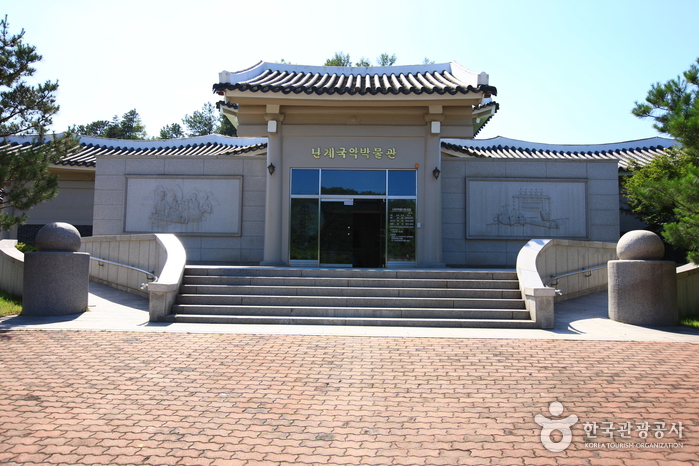
난계국악박물관은 난계의 숨결이 서려 있는 국악 전문 박물관이다. 난계국악박물관 영상실과 난계실에서 난계의 삶과 업적을 살펴볼 수 있다. 국악실에는 대금, 나발 등 관악기와 가야금, 해금, 비파 등 현악기 그리고 징, 북, 편종 등 타악기가 종류대로 전시되어 있다. 60여 점이 넘는 다양한 국악기를 만나볼 수 있는 드문 기회다. 민속자료전시실은 이미 고인이 되었거나 월북한 국악인들의 녹음 자료와 국악 공연 실황을 녹화한 비디오테이프 등 귀한 자료들이 많다. 찬찬히 둘러보다 보면 어느새 국악과 한층 가까워진 자신을 발견할 수 있다.
This shrine enshrines the memorial tablets of Nangye Park Yeon (1378–1458), a Joseon early period scholar and master musician. Park Yeon, who greatly contributed to organizing music under King Sejong, was well versed in musical principles and in 1425 compiled , a music book containing the rhythm, instrument illustrations, and musical notation of court music. In 1427, he created 12 pyeonggyeong stones and personally performed following the 12 tunes he composed. Around the shrine area are the Seduksa housing memorial tablets of Park Yeon and five others, Park Yeon's tomb, the tombstone of his cousin Kukdang Park Heungsaeng (朴興生), and Ssanghyogak pavilion. After entering the outer three gates, there is the shrine building with a signboard reading 'Nangyesa 蘭溪祠' measuring three kan wide and two kan deep. From the entrance with Nangye's statue and monument to the outer gates, green lawns and many trees provide a pleasant place for rest.
Along the street of gugak (traditional Korean music), heading towards Godang-ri on a single path, there is the house where Nangye Park Yeon was born. Nangye Park Yeon is counted among Korea's three great musicians alongside Goguryeo's Wang San-ak and Silla's Ureuk. He was a government official and musician in the early Joseon period, born and died in Yeongdong, Chungbuk. Park Yeon compiled music books organizing musical notations and instruments, created court instruments such as daego and seokkyeong, completed court music, and developed pyeonggyeong for instrument tuning, thus advancing and perfecting gugak, earning the title "father of gugak." In the second year of King Sejo (1456), his family was nearly punished for involvement in the restoration of King Danjong, but Park Yeon was spared due to his service under three kings, retired, and returned here, passing away on March 23, 1458, at age 81. When he returned home, he played the flute on a boat crossing the river, an event so moving that passing boats stopped and many wept. This story reflects the sorrow of a distinguished figure who influenced an era and shows Nangye’s lifelong relationship with music in joy and sorrow. To honor his legacy, the main house and sarangchae were restored in May 2000. The floor plan features three sections front and side, with one side section having a two-post (toekan) structure. The central two sections feature a well-floor (umulmaru) and one side includes a kitchen and grain storage under a gomi banja roof with a wujingak-style tiled roof. The wujingak roof has only ridge and eaves but no descending ridge, with trapezoidal front and rear and triangular sides. The roof’s short ridge and long descending parts are distinctive. An annex building has a thatched roof barn, shed, and one room.
优先展示路线结束后方便休息的住宿
注册成为会员,让更多人认识你的频道。
(成为会员后,在“我的页面”中设置 Instagram、YouTube、博客链接,我们会在你发表的每条评论旁一起展示。)
““住在弘大附近,晚上去了一圈咖啡馆,城市夜景和氛围都太完美了。””
以访客身份发表的评论,不会显示任何社交账号链接或个人资料卡片
分享一条关于这个地点的小贴士吧。
或者以访客身份快速留下一个评论。
请登录后再上传照片。
还没有任何评论,快来写下你的第一条感受吧!