以原州鷄岳山为中心的文化探访路线 in 江原特别自治道 原州市 · schedule 其他 · distance 17.4km · 4 stops · highlights Wonju Ungok Woncheonseokmyoyeok, 점심식사(운채), Chiaksan National Park

原州市是一个历史悠久的地区,拥有鷄岳山国立公园、壮丽的岛江景观以及丰富的文化遗产。一天内游览这些历史遗迹将是一次宝贵的体验。行程包括参观鷄岳山的宝文寺,随后经过石景寺、云谷、原川石先生墓地、李恩灿公纪念碑和忠烈碑等遗址,结束原州文化探访的一日游。
这条路线是单日行程示例。你可以直接保存,或扩展为 AI 行程。
This is the grave of Ungok Woncheonseok (1330~). From a young age, Woncheonseok was bright in scholarship and played a major role in spreading Neo-Confucianism alongside Mokeun Yi Saek. He was also the childhood teacher of King Taejong of Joseon. When politics became corrupt at the end of Goryeo, he lamented this and retreated to Chiaksan Mountain. After the Joseon dynasty was established and he was given office, he did not fully maintain loyalty to Goryeo. Within the gravesite, there is a tombstone and a stone table (sangseok) in front of the burial mound for placing ritual food, and at a short distance is a modest stela (sindobi). (Source: National Heritage Agency)
운채는 토속음식을 주로 취급하며 주 메뉴로는 곤드레밥과, 감자옹심이, 청국장, 닭만두국이 제공되며 통나무집에서 편안하게 즐기시면서 쉴 수 있는 공간이다.
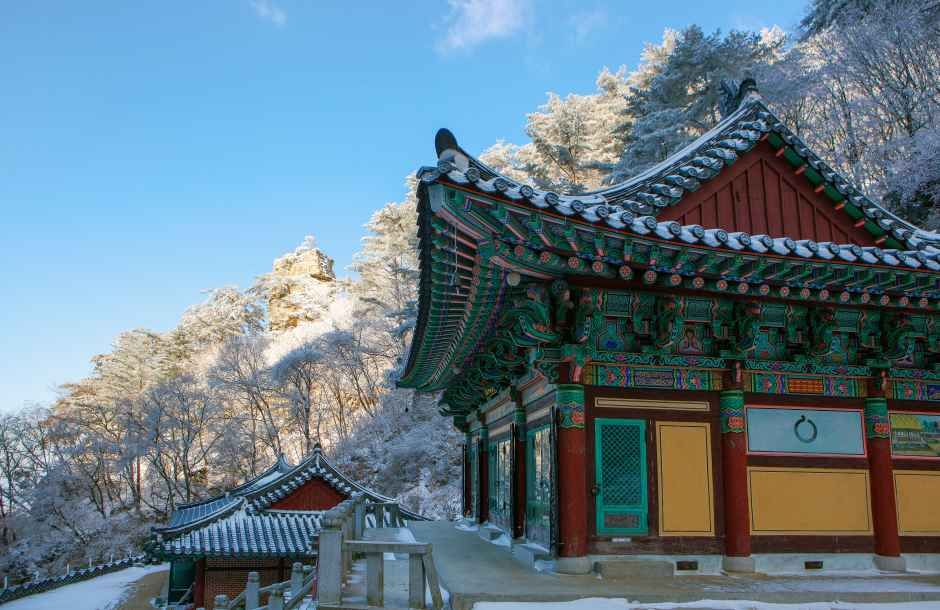
Chiaksan, a peak of the Charyeong mountain range, features peaks over 1,000m including its highest peak Birobong (1,288m), Sambong, Hyangrobong, Namdaebong, and Cheonjibong stretching north to south like a folding screen. The Chiak ridge extends 14km from Birobong to Namdaebong, covering a total area of 182.09㎢ and was designated a national park in 1984. Known as a famous eastern mountain since ancient times, it is a historic site with temples such as Guryongsa and Sangwonsa (reflecting a thousand years of Silla history), and fortress sites like Yeongwonsanseong and Haemisanseong tied to wartime history. Jagged rocks and dense forests create a magnificent natural landscape. The name Chiaksan comes from a pheasant’s gratitude legend previously calling it Jeokaksan. Beautiful valleys formed by unique rock formations including Guryong, Geumdae, and Bugok valleys, and numerous attractions like Taejongdae, Guryongso, Seryeom Falls, Guryongsa, and Sangwonsa are scattered throughout. The seasons bring diverse changes, with azaleas and rhododendrons in spring, lush forests and clear waters at Guryongsa in summer, colorful autumn foliage, and especially spectacular winter snow scenes, attracting hikers year-round.
Ipseoksa Temple is a traditional temple located on Chiaksan Mountain in Wonju, positioned below Ipseokdae, the midpoint on the route to Sangwonsa and Birobong. It is said that Uisang (義湘), a great Buddhist monk of the Silla period, built a cave here and practiced asceticism. The lotus pedestal and halo within the temple grounds, along with the lotus pedestal base of the stone pagoda in front of the temple, show carving styles and techniques from the early Goryeo period. Especially, beside Ipseokdae to the northwest of the temple, there is a seated rock-carved Buddha with an inscription reading ‘元祐五年庚午三月日’ (5th year of Wonyu, the 3rd month of the year Gyeong-o). This record confirms that Buddhist construction took place around 1090 (the 7th year of Seonjong) in the early Goryeo period. In modern times, the meditation hall was built in 1957 and the Daeungjeon Hall was built in 1992.
优先展示路线结束后方便休息的住宿
注册成为会员,让更多人认识你的频道。
(成为会员后,在“我的页面”中设置 Instagram、YouTube、博客链接,我们会在你发表的每条评论旁一起展示。)
““住在弘大附近,晚上去了一圈咖啡馆,城市夜景和氛围都太完美了。””
以访客身份发表的评论,不会显示任何社交账号链接或个人资料卡片
分享一条关于这个地点的小贴士吧。
或者以访客身份快速留下一个评论。
请登录后再上传照片。
还没有任何评论,快来写下你的第一条感受吧!