享受风景、历史与体验的活力义城之旅 in 庆尚北道 义城郡 · schedule 1晚2天 · distance 약 60km · 5 stops · highlights Gounsa Temple, Uiseong Sachon-ri Tree-lined Forest, Uiseong Tradi…
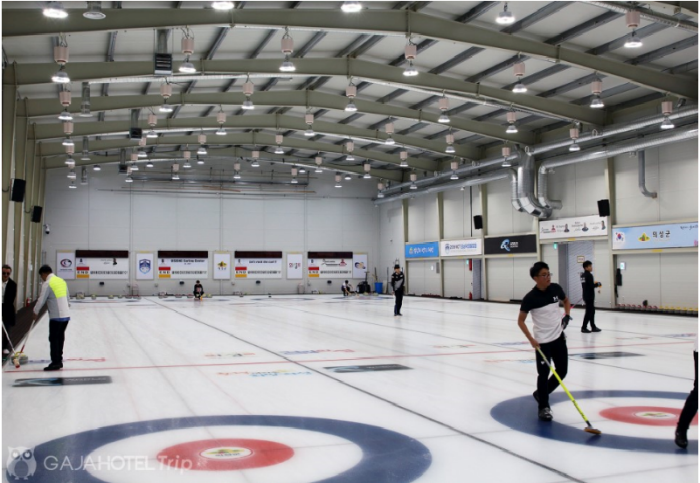
义城是一个融合了美丽自然和丰富体验项目的旅游地。游客可以在韩国苹果酒厂亲手制作苹果酒,并在曾于平昌冬奥会上表现出色的“金队”训练场——义城冰壶中心学习冰壶。四季皆美的高云寺是义城旅行中不可错过的景点。漫步于沙村街路森林,感受古树成荫,为旅程增添宁静。义城以大蒜闻名,义城传统市场提供多种大蒜料理。义城地区曾是古代国家“照文国”的所在地,出土文物可在照文国博物馆参观,照文国遗址公园也已良好整备,便于感受历史氛围。
这条路线是 2 天行程示例。你可以直接保存,或扩展为 AI 行程。
※ Due to a forest fire in March 2025, some buildings such as Yeonsujeon and Gawunru were completely destroyed, so please take this into consideration before visiting. Gounsa Temple was founded in 681 by Monk Uisang. Originally called Gounsa (高雲寺), about 200 years later it was renamed Gounsa (孤雲寺) after Goun Choe Chi-won, who practiced asceticism here and built Gawunru and Uhwaru, adopting his pen name. It was repaired several times during the Joseon Dynasty. During the Japanese invasions of Korea (Imjin War), it served as a forward base for Buddhist soldiers under Monk Samyeong, storing food and caring for the wounded, and during the Japanese colonial period, it was one of 31 headquarters nationwide, flourishing as a center of patriotic Buddhism. Within the temple grounds are buildings such as Daeungjeon, Geungnakjeon, Gwaneumjeon, Geumgangmun, Uhwaru, and Gogeumdang. Important cultural assets include the Uiseong Gounsa Stone Buddha, Gounsa Three-story Stone Pagoda, Gounsa Gawunru, and Uiseong Gounsa Yeonsujeon. The temple offers experience programs including templestay and temple food experiences. Templestay includes a free program called Heart-Pounding Templestay to relieve the stress of exam students, a Youth Healing Camp for university students, and the Mind Forest Path program with Buddhist services, tea talks with monks, and walking meditation for rest. The temple food experience is conducted at the Gounsa Temple Food Experience Center under the guidance of monks preserving the culinary traditions. The temple food program consists of classes including temple food, beginner, short-term, fermented food experience, and one-day courses.
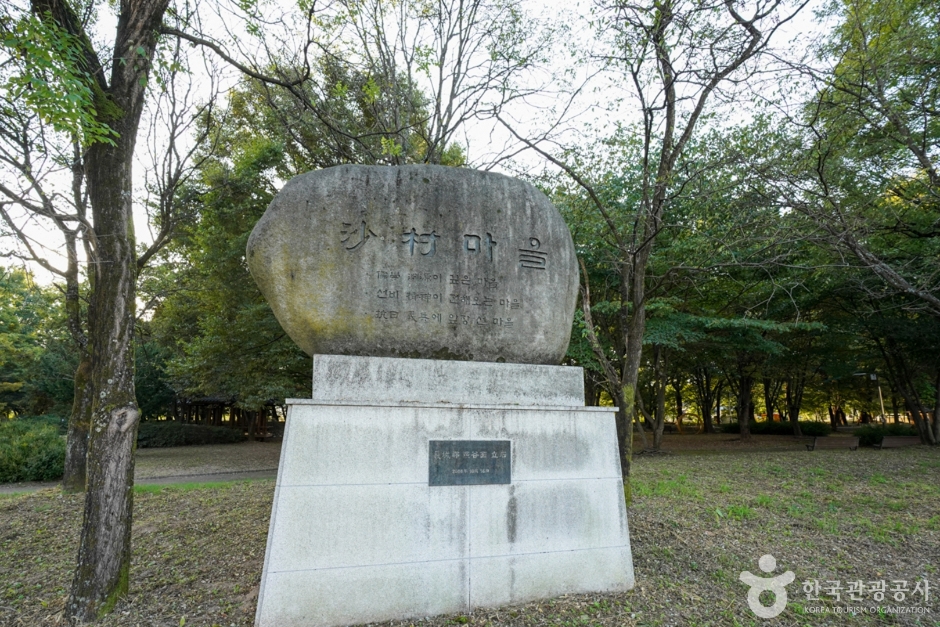
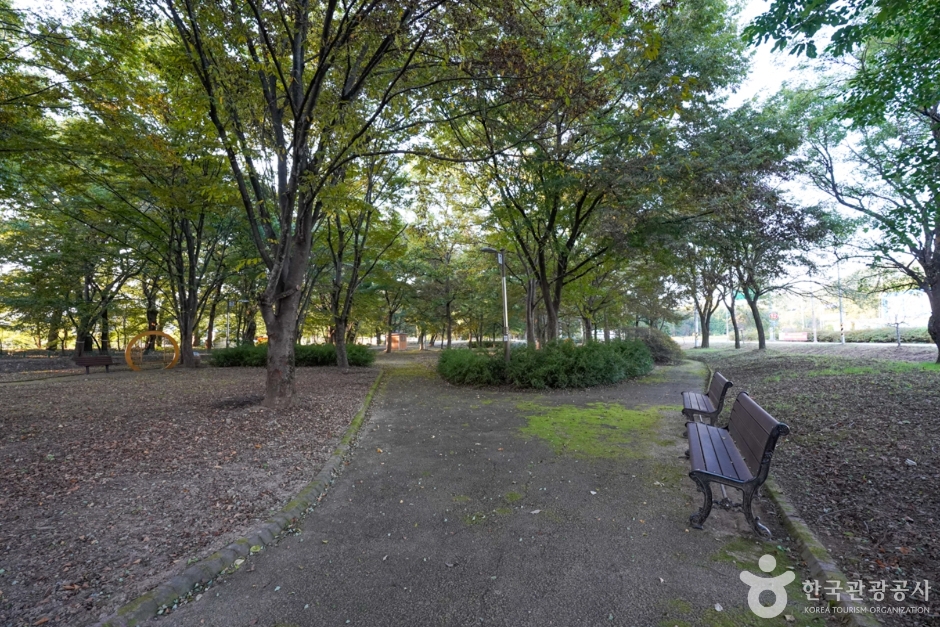
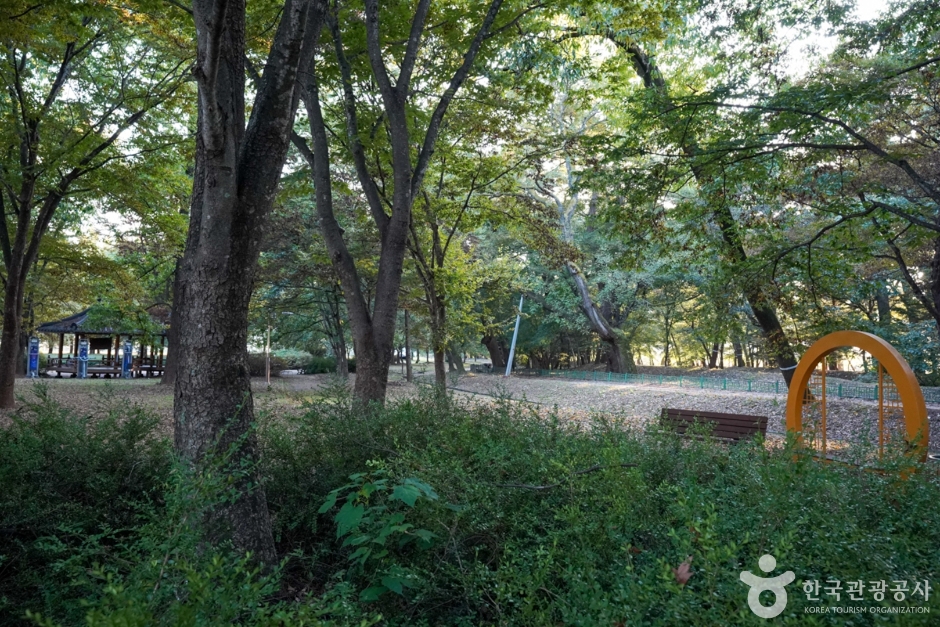
The natural monument Sachon-ri Tree-lined Forest in Uiseong's Sachon Village originated when Kim Jacheom of the Andong Kim clan moved here from Andong and created a windbreak forest to block the westward winds blowing across the flat land west of the village. The site embodies the feng shui belief that a lack of protection from the west results in a lack of notable people, as well as the wisdom of ancestors who aimed to protect their living space from cold west winds. Also called Seorim because the forest is located in the west, the forest mainly consists of oak species such as Chinese hackberry and sawtooth oak. The trees were planted when the village was established, and some have aged up to 600 years.
Uiseong Traditional Market operates on the days ending with 2 and 7 each month. It is the largest market in Uiseong, where a direct garlic marketplace is set up during the garlic harvest season, attracting merchants from all over the country. In addition to garlic, agricultural products, seafood, fruits, and various daily necessities are also sold. From 2004 to 2014, Uiseong Traditional Market underwent modernization projects including arcade installation and parking lot improvements to cleanly revamp the market.
Uiseong is geographically located on an important transportation route extending from Gyeongju to the Han River basin, and at that time, Silla regarded this area as very significant. This fact is confirmed by the large-scale ancient tombs still existing in Uiseong. The Geumseongsan burial mound group is currently administratively divided into Daeriri, Tapriri, and Hakmiri, but it is a large burial mound group continuously built along one ridge. These were made from the late 4th century to the mid-6th century and were excavated seven times by professional excavation institutions. It has been confirmed that about 374 burial mounds are distributed in this area, including a tomb said to be of King Gyeongdeok of Jomunguk. Many of the artifacts found in the excavation are in the Uiseong style pottery, but gilt-bronze crowns, gilt-bronze ornaments, and silver crown fittings were also unearthed. The Geumseong-myeon area in Uiseong-gun was the capital of Jomunguk for a long time, as evidenced by the construction of large burial mounds and high-quality prestige items, which are exhibited and preserved at the Uiseong Jomunguk Museum. Also, the Tomb Exhibition Hall, which reproduces the interior of the Daeri No. 2 tomb, allows visitors to glimpse the burial customs of the time through excavated artifacts and the culture of human sacrifice. A peony garden (4800㎡) was created within the Daeri burial mound group and welcomes many visitors from mid-May. In addition, seasonal flower gardens provide various attractions year-round alongside viewing the regional cultural heritage. The Geumseong-myeon area is well maintained with Sujeongsa Temple and the Geumseongsan hiking trail.
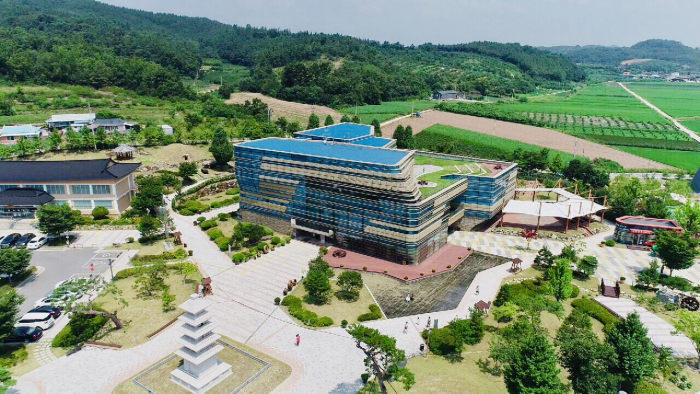
의성 지역은 고대 국가인 조문국(召文國)이 존재한 지역으로, 박물관이 조성된 인근에 분포하는 374기의 고분에서 다양한 관련 유물들이 출토되었다. 이러한 조문국 및 의성 지역의 역사와 유물들을 체계적으로 조사, 수집, 전시, 보존하기 위하여 의성군에서 박물관을 설립하여 2012년 10월에 준공하였으며, 2013년 4월 25일에 개관하였다. 의성 조문국 박물관은 지하 1층, 지상 3층 규모이다. 상설 전시장, 기획 전시실, 어린이 고고발굴체험장, 강당 , 수장고, 기계실, 야외 공연장 등으로 구성되어 있다. 소장품은 1,500여 점을 보유하고 있으며, 주로 고분에서 출토된 고대 유물을 소장하고 있다.2018년 7월 개장한 물놀이장이 있어 여름철 경북북부권 피서지 역할을 해내고 있다.2020년 7월 정식 개장 예정인 의성상상놀이터가 있으며 공룡 발자취, 학예사 체험, 에어포켓, 북카페를 운영할 계획으로 있다
优先展示路线结束后方便休息的住宿
注册成为会员,让更多人认识你的频道。
(成为会员后,在“我的页面”中设置 Instagram、YouTube、博客链接,我们会在你发表的每条评论旁一起展示。)
““住在弘大附近,晚上去了一圈咖啡馆,城市夜景和氛围都太完美了。””
以访客身份发表的评论,不会显示任何社交账号链接或个人资料卡片
分享一条关于这个地点的小贴士吧。
或者以访客身份快速留下一个评论。
请登录后再上传照片。
还没有任何评论,快来写下你的第一条感受吧!