在护国圣地铭记爱国精神 in 庆尚北道 尚州市 · schedule 其他 · distance 34km · 2 stops · highlights Sangju Imranbukcheon Battle Site, General Jeong Gi-ryong Historic Site
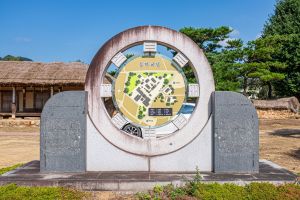
这是东学南接主(金周熙先生)于1924年为扩大教团势力而建的地方。1925年,他以此为据点,常驻此地,主要在庆尚北道北部地区如文庆、醴泉等地,避开日本殖民当局的监视,努力复兴教团势力。
这条路线是 2 天行程示例。你可以直接保存,或扩展为 AI 行程。
Sangju Imranbukcheon Battle Site is a patriotic sacred place where about 900 central and local troops of Joseon died defending against the main force of the Japanese army during the Imjin War. In 1592, when the Japanese landed at Busan, about 60 central troops of Joseon moved south to stop them. Together with Sangju magistrates Kwon Gil and Park Geol who assembled about 800 local men overnight, around 900 fought fiercely against 17,000 Japanese soldiers and all perished. To honor their patriotism, Chungnyeolsa Shrine was built, enshrining memorial tablets of the fallen including Yun Seom, Kwon Gil, Kim Jong-mu, Lee Gyeong-ryu, Park Ho, Kim Jun-shin, Kim Il, Park Geol, and an unknown martyr. Originally, only a commemorative monument (Sabi) recorded this in Sangju, but in 1990 a shrine and exhibition hall were established, relocating former Sangju government buildings to develop the site as a park. The site includes Taepyeongnu, the gate tower of Sangju Dongheon, Sangsan-gwan, a government guesthouse used by royal envoys, and Chimcheonjeong, a pavilion built in 1577 (10th year of Seonjo) outside Sangju fortress's south gate by magistrate Jeong Gonsu, used for scholars' rest and writing. Every year on June 4th (solar calendar), memorial rites are held to honor their spirits, and the site serves as a living history education center for future generations.
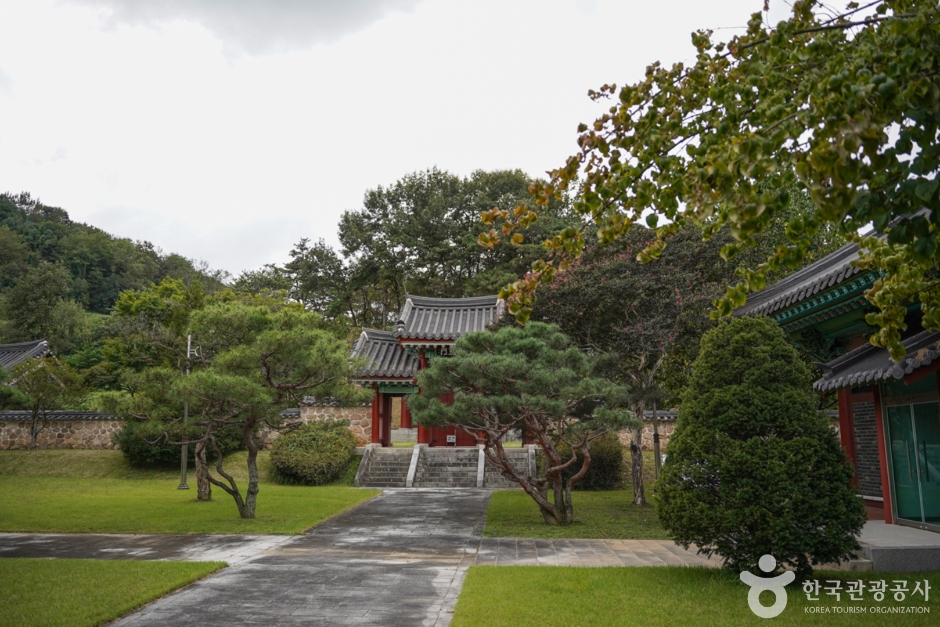
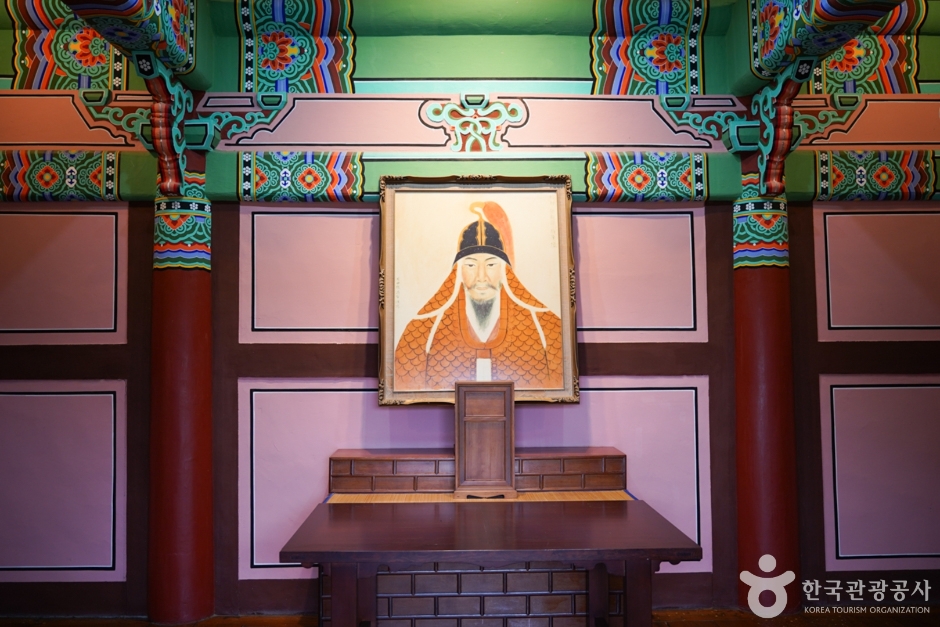
Chung-uisa is a shrine enshrining the memorial tablet of General Jeong Gi-ryong, a military commander during the reign of King Seonjo of Joseon, who achieved great feats as a master of land battles during the Japanese invasions of Korea (Imjin War). General Jeong was born in 1562 (Myeongjong 17) in Geumnam-myeon, Hadong-gun, Gyeongnam, was recommended to Sangju at age 20, passed the military examination at 25, and was renamed Gi-ryong by royal command. When the Imjin War broke out, he defeated many Japanese soldiers in more than 60 battles with a small army and reclaimed Sangju Castle after fierce fighting as Sangju Magistrate. He later served as Gyeongsang Udo Byeongma Jeoldosa, Gyeongsang-do Defense Commander, and 3-Do Tongjesa concurrently with Gyeongsang Udo Naval Commander until his death. His posthumous name is Chungui (Loyal and Resolute). The memorial stele and the general’s tomb were designated local cultural assets in 1974. In 1978, the original shrine of about 16.5㎡ was expanded to about 13,223㎡, including a shrine, exhibition hall, and administration office, in a patriotic historic site preservation project. The exhibition hall displays five treasure-level items (two royal commands, one royal decree, one memorial tablet, one jade belt) and wooden movable cultural properties (19 royal decrees and 58 woodblocks of Maehun Silgi). Every October, local residents reenact the scene of recapturing Sangju Castle during the Imjin War to promote and pass down the general’s patriotic spirit.
优先展示路线结束后方便休息的住宿
注册成为会员,让更多人认识你的频道。
(成为会员后,在“我的页面”中设置 Instagram、YouTube、博客链接,我们会在你发表的每条评论旁一起展示。)
““住在弘大附近,晚上去了一圈咖啡馆,城市夜景和氛围都太完美了。””
以访客身份发表的评论,不会显示任何社交账号链接或个人资料卡片
分享一条关于这个地点的小贴士吧。
或者以访客身份快速留下一个评论。
请登录后再上传照片。
还没有任何评论,快来写下你的第一条感受吧!