上州古老遗迹与自行车历史之旅 in 庆尚北道 尚州市 · schedule 其他 · distance 74km · 3 stops · highlights Sangju Imranbukcheon Battle Site, 상주자전거박물관, Namjangsa Temple
这是一个可以看到上州所有遗迹和自行车历史的博物馆路线。虽然距离较远,但一天内参观是可行的。在孝子郑济水纪念馆可以重新体会逐渐被遗忘的孝道意义,最后通过参观壬乱战迹和古老寺庙结束上州之旅。
这条路线是单日行程示例。你可以直接保存,或扩展为 AI 行程。
Sangju Imranbukcheon Battle Site is a patriotic sacred place where about 900 central and local troops of Joseon died defending against the main force of the Japanese army during the Imjin War. In 1592, when the Japanese landed at Busan, about 60 central troops of Joseon moved south to stop them. Together with Sangju magistrates Kwon Gil and Park Geol who assembled about 800 local men overnight, around 900 fought fiercely against 17,000 Japanese soldiers and all perished. To honor their patriotism, Chungnyeolsa Shrine was built, enshrining memorial tablets of the fallen including Yun Seom, Kwon Gil, Kim Jong-mu, Lee Gyeong-ryu, Park Ho, Kim Jun-shin, Kim Il, Park Geol, and an unknown martyr. Originally, only a commemorative monument (Sabi) recorded this in Sangju, but in 1990 a shrine and exhibition hall were established, relocating former Sangju government buildings to develop the site as a park. The site includes Taepyeongnu, the gate tower of Sangju Dongheon, Sangsan-gwan, a government guesthouse used by royal envoys, and Chimcheonjeong, a pavilion built in 1577 (10th year of Seonjo) outside Sangju fortress's south gate by magistrate Jeong Gonsu, used for scholars' rest and writing. Every year on June 4th (solar calendar), memorial rites are held to honor their spirits, and the site serves as a living history education center for future generations.
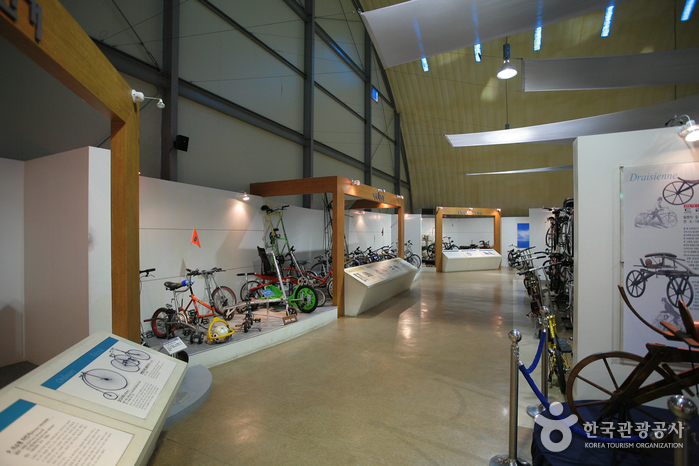
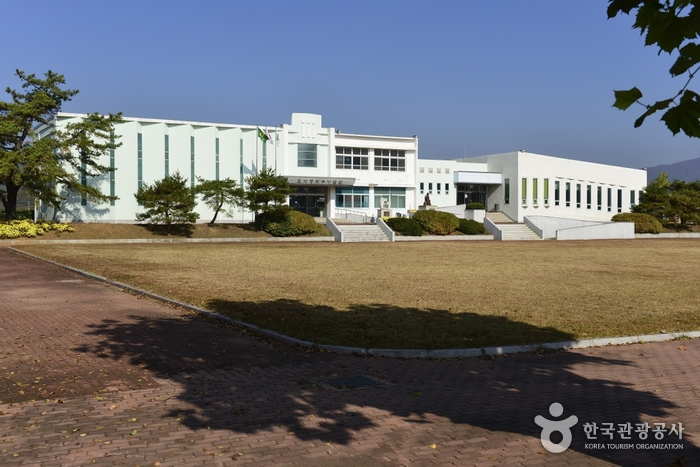
우리나라 최초로 자전거를 테마로 한 “상주자전거박물관”이 확장, 이전하여 경상북도 상주시 도남동에 새롭게 문을 열었다. 자전거 역사를 한눈에 볼 수 있는 상주 자전거 박물관은 말 그대로 자전거의 모든 것이 담긴 “자전거 천국” 이다. 전시되어 있는 60여 대가 자전거 역사를 한눈에 보여주고 있다. 주요시설은 지하 1층에 자전거대여소와 수장고, 기계실이 있고 지상 1층에는 기획전시장과 4D영상관, 지역농특산물 홍보코너가, 그리고 지상 2층에는 상설전시장과 다목적 홀, 관리사무실 등이 들어서 있다.
Namjangsa Temple is a traditional temple under the Jogye Order of Korean Buddhism. It was founded by Monk Jingam, who returned from Tang China in 830 (the 5th year of King Heungdeok's reign), and it was the first temple where he stayed. The original name of the temple was Jangbaeksa. In 1186 (the 16th year of King Myeongjong of Goryeo), Monk Gakwongwa changed the temple's name from Jangbaeksa to Namjangsa and renovated it. Monk Jingam learned Beompae (Buddhist music, songs praising Buddha's virtues) in Mount Zhongnan in China and, upon returning at age 57 in 830, stayed at Jangbaeksa. In 832, he built the Muryangjeon Hall (currently Bogwangjeon) and introduced Beompae to Korea for the first time. It is said that many gathered like clouds as patients previously gathered at clinics. This Beompae is one of Korea's three major vocal music genres, alongside Pansori and Gagok. Previously, Ssanggyesa Temple on Jirisan in Hadong, Gyeongsangnam-do was known as the original place of Beompae introduction, but the stele inscription of the 'Great Monk Jingam's Memorial Stele' written by Choi Chiwon at Ssanggyesa indicates Jangbaeksa in Sangju, so Sangju Jangbaeksa is now recognized as the earliest site of Beompae introduction. Namjangsa's major relics preserve masterpieces of Buddhist art, such as the Iron Seated Buddha (Treasure No. 990) and Wooden Posthumous Buddha Painting (Treasure No. 922). The Iljumun Gate is designated as Local Cultural Material No. 442 and is renowned as a treasure trove of Buddhist art. Within the temple grounds is the Gwaneum Seonwon, established in 1797 (the 21st year of King Jeongjo), which houses the oldest wooden posthumous Buddha painting in Korea (Treasure No. 923). This was created by the donor monk Hwiseon in 1694 (the 20th year of King Sukjong) at Sangyeonam behind Bukjangsa and was moved to its present location in 1819. It was first designated as Provincial Cultural Property No. 58 but was promoted to a treasure due to its evaluation as the oldest wooden posthumous painting in Korea. Until recently, it was known as the posthumous painting of Yaksuam at Silsangsa Temple on Jirisan carved in 1782 (Treasure No. 421), but it is now identified as the wooden posthumous painting of Namjangsa's Gwaneum Seonwon.
优先展示路线结束后方便休息的住宿
注册成为会员,让更多人认识你的频道。
(成为会员后,在“我的页面”中设置 Instagram、YouTube、博客链接,我们会在你发表的每条评论旁一起展示。)
““住在弘大附近,晚上去了一圈咖啡馆,城市夜景和氛围都太完美了。””
以访客身份发表的评论,不会显示任何社交账号链接或个人资料卡片
分享一条关于这个地点的小贴士吧。
或者以访客身份快速留下一个评论。
请登录后再上传照片。
还没有任何评论,快来写下你的第一条感受吧!