寻找金刚松与洞穴的自然主义旅行 in 江原特别自治道 三陟市 · schedule 其他 · distance 29km · 3 stops · highlights Samcheok Yeonggyeongmyo, Samcheok Jungyeongmyo, Hwansun Cave

三陟位于白头大幹南北延伸处,是山势秀丽的地区。这里有海拔超过1000米的险峻深山,如青玉山、德航山等。还有成群生长的粗壮金刚松所在的准敬庙和英敬庙。高丽时代李承休撰写《帝王韵纪》的天恩寺,以及韩国石灰岩洞穴的顶峰幻仙窟和大金窟,适合在清澈的自然中休息。
这条路线是单日行程示例。你可以直接保存,或扩展为 AI 行程。
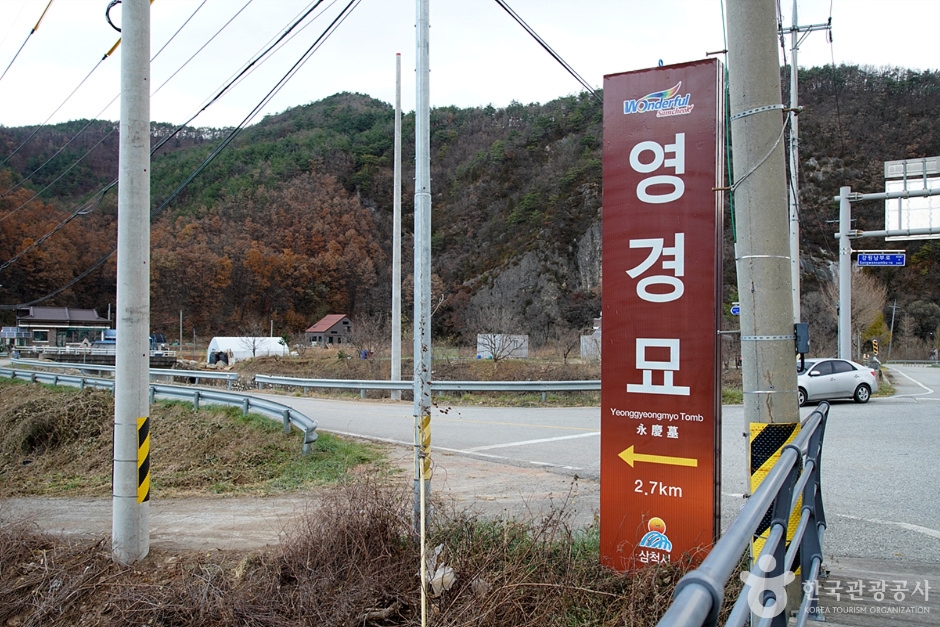
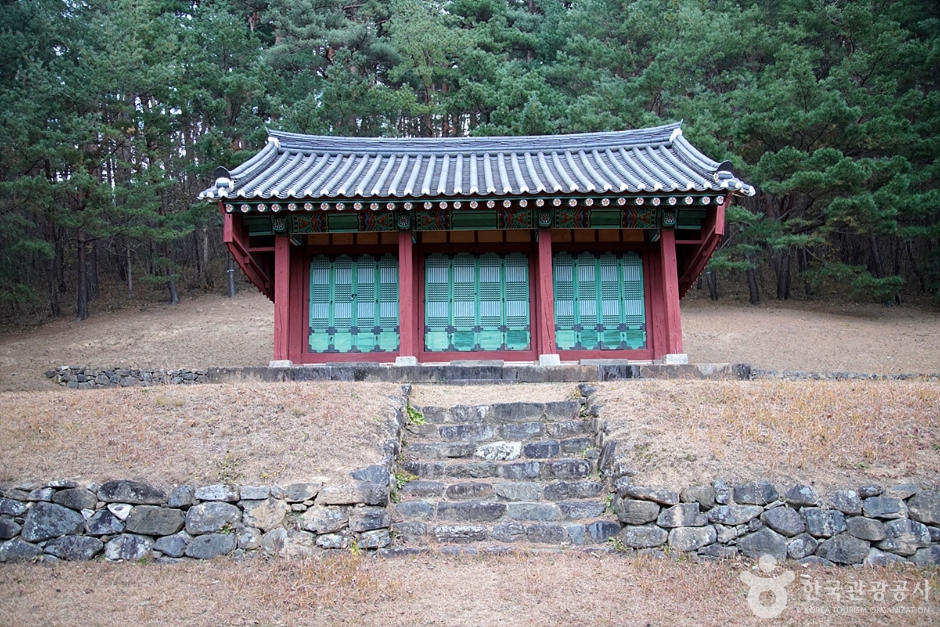
Yeonggyeongmyo is the tomb of a woman from the Pyeongchang Lee clan, the wife of General Lee Yang-mu, the 5th ancestor of Joseon Taejo Lee Seong-gye, and the mother of the 4th ancestor Mokjo Lee An-sa. Originally, she lived with Lee Yang-mu in Jeonju, Jeolla-do, but moved here and passed away. Later, Mokjo Lee An-sa relocated to Hamgyeong-do, and the site was forgotten for centuries. After the founding of Joseon, kings including Taejo made great efforts to find their ancestors' tombs. This place was called a tomb since early Joseon, as it was believed to be the 5th ancestor's grave, leading to Samcheok-gun being promoted to Samcheok-bu, but it was uncertain. In 1899 (Gwangmu 3), the tomb was restored along with Jungyeongmyo, with shrines and a pavilion built, and it was posthumously named Yeonggyeongmyo. Yeonggyeongmyo consists of a high burial mound, Hongssalmun gate, pavilion, and is designated a historic site along with the ritual hall, the wooden monument to King Mokjo, and Jungyeongmyo, the tomb of General Lee Yang-mu. Every year on April 20, the Jeonju Lee clan holds a memorial rite here. Jungyeongmyo and Yeonggyeongmyo, located 4 km away in Hwalgi-ri, are the only Joseon royal ancestors’ tombs in South Korea and hold important historical and academic value. Nearby are Samcheok Hwalgi Healing Forest, Hwalgi Cave, and the Gangwon Comprehensive Museum, making a visit to the heritage sites worthwhile.
Jungyeongmyo is located in Hwalgi-ri Neunggok and is the tomb of General Yi Yang-mu, the great-great-great-grandfather of Joseon’s founder King Taejo Yi Seong-gye. Along with his son Yi An-sa, they were influential figures in Wansan (present-day Jeonju) and, after conflict with local powers, moved to Hwalgi-ri, Miro-myeon, Samcheok, where the tomb was established. When Yi An-sa relocated to Hamgyeong-do, Yi Yang-mu’s tomb was forgotten for centuries. After the founding of Joseon, King Taejo and subsequent monarchs made great efforts to find their ancestor’s graves. Because this site represented the tomb of the 5th ancestor, the area was elevated from Samcheok-gun to Samcheok-bu and was called a neung (royal tomb) from early Joseon times, though its authenticity was unclear. In 1899 (Gwangmu 3), along with Yeonggyeongmyo, the tomb was restored, with the construction of a shrine and stele pavilion, and was honored as Jungyeongmyo. The shrine in front, the west hall, the wooden Daewang Gugeoyuji stele, and Yeonggyeongmyo, the tomb of General Yi Yang-mu's wife, were designated as historical sites in 2012. Samcheok Jungyeongmyo and Yeonggyeongmyo are the only royal ancestors’ tombs from the Joseon dynasty in South Korea and hold significant historical and academic value. An ancestral rite is held every year on April 20th, hosted by the Jeonju Yi clan’s grand ancestral shrine organization. The area is covered by a dense forest of ancient Geumgang pine trees, recognized as the most beautiful forest in a national forest beauty competition, preserving a primeval forest landscape. It is known as a famous spot for forest bathing and walking.
Hwansun Cave is the largest limestone cave in Korea, first recorded in 1662 by scholar Heo Mok in the 『Cheokjuji』. Formed about 530 million years ago, this cave preserves the natural wonder shaped by long geological time. Inside, various stalactites, stalagmites, and columns shaped like a Beauty Statue, Mary Statue, Goblin's Club, and Jade Throne majestically develop, creating a mysterious atmosphere. These delicate and unique shapes, like sculptures made by nature, leave a deep impression on visitors. A total of 47 animal species have been discovered in Hwansun Cave, with four species, including Hwansunjangnimjom Ddakjeongbeolle, found only in Hwansun Cave or first recorded there, highlighting its ecological significance. Since April 2010, a monorail has operated to allow easier access to the cave entrance. Hwansun Cave, where nature, science, and ecology harmonize, is an attractive destination for those seeking a mysterious and special geological journey.
优先展示路线结束后方便休息的住宿
注册成为会员,让更多人认识你的频道。
(成为会员后,在“我的页面”中设置 Instagram、YouTube、博客链接,我们会在你发表的每条评论旁一起展示。)
““住在弘大附近,晚上去了一圈咖啡馆,城市夜景和氛围都太完美了。””
以访客身份发表的评论,不会显示任何社交账号链接或个人资料卡片
分享一条关于这个地点的小贴士吧。
或者以访客身份快速留下一个评论。
请登录后再上传照片。
还没有任何评论,快来写下你的第一条感受吧!