南杨州生态朝圣 in 京畿道 南阳州市 · schedule 其他 · distance 44km · 5 stops · highlights Mongol Cultural Village, Sudong Valley, Jinggiseukan Old Hometown

南杨州山多溪谷优美,拥有多处历史悠久的寺庙。水东国民旅游地早期开发,是夏季避暑胜地。附近的蒙古文化村提供异国体验和骑马活动。钢琴瀑布和南杨州有机农主题公园成为新的旅游景点。登上水钟寺俯瞰北汉江景色极佳。
这条路线是 2 天行程示例。你可以直接保存,或扩展为 AI 行程。
Mongol Cultural Village is located in Naebang-ri, Sudong-myeon, Namyangju-si, and opened in April 2000 based on the friendship and cooperation agreement between Namyangju-si and Ulaanbaatar, Mongolia, in 1998. It is a space with a total area of 62,479㎡. It is the only permanent performance hall in Korea showcasing Mongolian folk arts, including traditional Mongolian instrument performances and horse-riding shows. The exhibition hall displays about 800 items, including traditional costumes, instruments, and daily utensils, allowing visitors to experience Mongolian history and culture. Exhibits include Mongolian religion, clothing, and lifestyle materials, and admission is free. Outdoors, there are Mongolian traditional houses called gers and stone tombs, adding an exotic atmosphere. Visitors can directly experience the interior of the traditional houses. Currently, Namyangju-si is undertaking a comprehensive renovation of the cultural village, aiming for reopening in the first half of 2025. The remodeling is divided into four sectors: indoor and outdoor performance halls, a glamping café, a media art video hall, and a digital experience center. After renovation, it will be newly operated as a complex cultural space combining culture, leisure, and experiences.
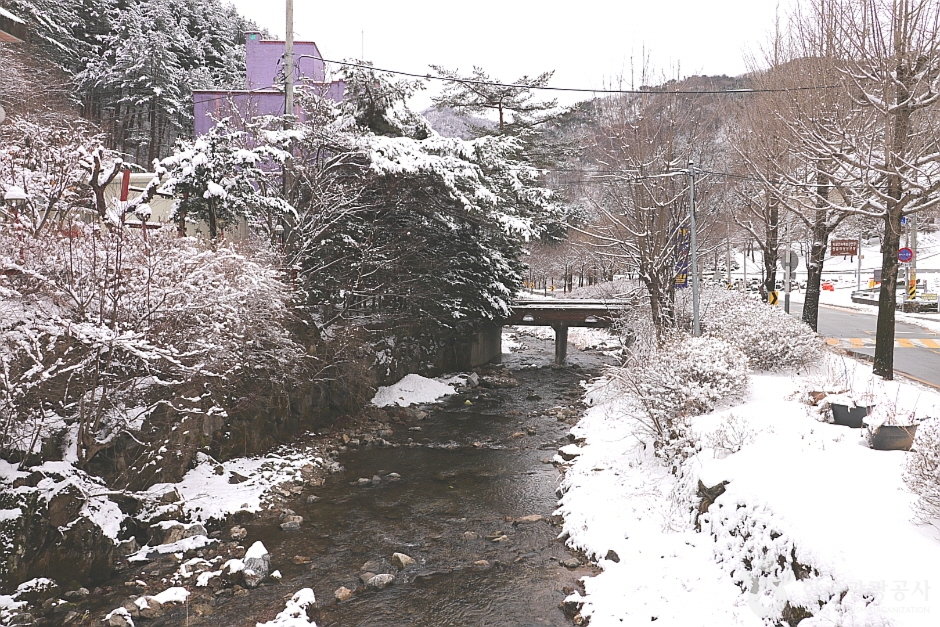
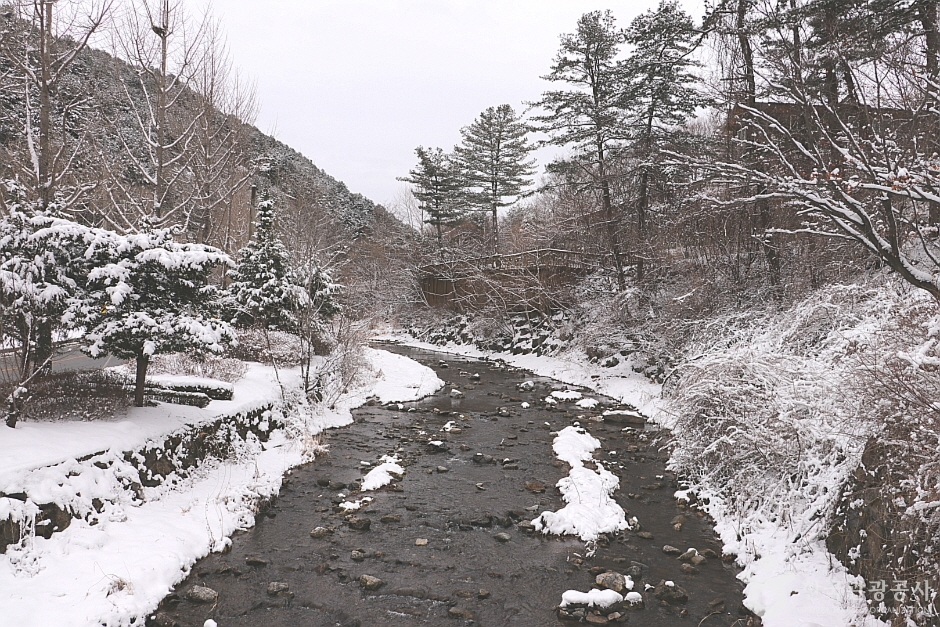
Sudong Valley (Sudong National Tourist Site) is a valley nicknamed 'Mulgolan' because clear water flows abundantly throughout the year. It flows between Seorisan and Cheolmasan mountains, covering an area of about 224,800㎡, and was designated as a national tourist site in 1983. You can enjoy healing camping in the dense forest surrounded by Cheonmasan, Jugumsan, and Seorisan mountains. The upper stream Bigeum-ri's Bigeum Valley, the lower stream Geomdan-ri Valley, and Mulgolan Valley blend with the dense forest to create beautiful scenery. The valley water is wide and has various depths, making it suitable for water play, and camping is available at Sudong Family Shelter.
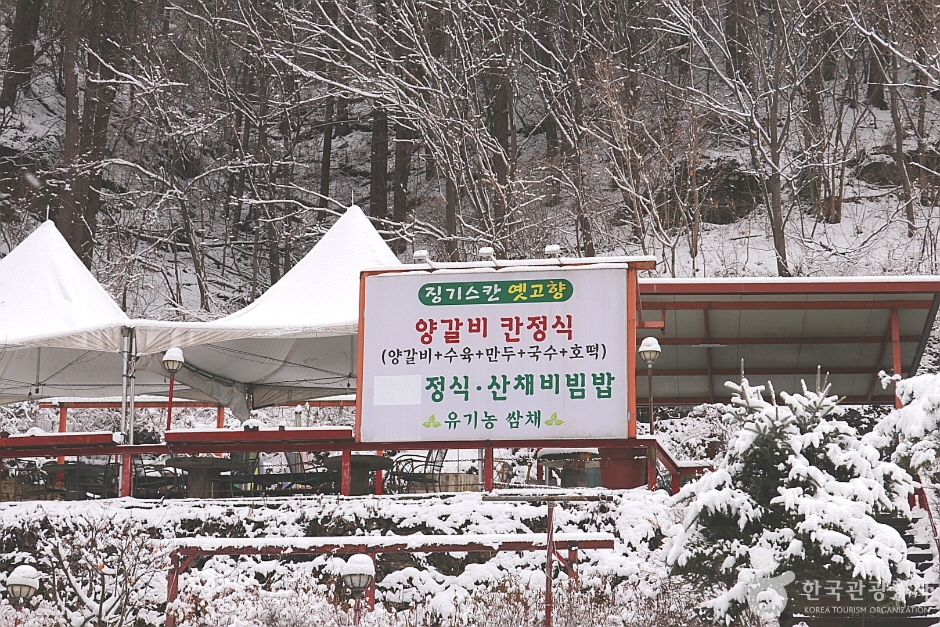
Jinggiseukan Old Hometown is a Mongolian cuisine specialty restaurant located across from the Mongolian Cultural Village in Namyangju. Here, ingredients are directly imported from Mongolia, allowing you to truly taste authentic Mongolian food. Korean side dishes are served first, and the traditional Mongolian steamed dish, Hurheok, takes a long time to prepare, so it is recommended to call ahead and order before visiting. The menu includes Hurheok, Khan set meals, meat dishes such as Khan mutton boiled pork and grilled ribs, and meal dishes like Khan fried rice and Khan steamed dumplings. For visitors who cannot eat mutton, there are hot stone pot rice and mountain vegetable bibimbap options. A café also operates on site, where you can enjoy a cup of tea and have a chat after your meal.
The Piano Waterfall is located within Hwado Green Water Center, an eco-friendly facility in Hwado-eup, Namyangju-si. The site features an artificial waterfall as well as free water play areas, an ecological park, and a piano-shaped restroom. The Piano Waterfall operates by erecting a steel structure at a cut slope, forming an artificial cliff with rock molds, and pumping treated wastewater from the sewage treatment plant to cascade down the 61-meter cliff. It has been operating since 2005 but is closed during winter from December to February to prevent freezing. Opposite the Piano Waterfall is the piano-shaped restroom, which won the 2008 'Beautiful Restroom' award. The restroom includes a nursing room and lounge, with plants placed throughout. The space, designed with full windows, allows a direct view of the Piano Waterfall. The free water play area runs temporarily in summer with shallow depths safe for children, along with various sculptures, shade tents, and deck facilities. Nearby, a kiosk sells simple snacks, and an ecological park offers pleasant walking areas. Adjacent to the parking lot, the environmental promotion center provides an educational experience worth visiting.
Suchongsa Temple is a branch temple of Bongseonsa near the summit of Ungilsan in Songchon-ri, Joan-myeon, Namyangju. This temple is renowned as a prime location praised by Seogeojeong as having the best view among Eastern temples, offering scenery of Yangsu-ri where the Bukhan River and Namhan River meet, with views extending to nearby mountains. It is said to have been first built during the Silla period, though detailed history is unknown, and there is a legend related to King Sejo of Joseon. While spending a night in Yangsu-ri on a trip for illness treatment, King Sejo followed the faint sound of a bell to a cave containing 18 Arhats statues, where dripping water from a rock crevice produced the bell sound. He then enshrined the 18 Arhats and established the temple, naming it Suchongsa. However, the temple already had significant size before this, as evidenced by the burial mound of Jung-ui Ongju, King Sejo's aunt. Existing buildings include the Daeungbojeon, Eungjinjeon, Yaksa-jeon, Sansingak, Bell Pavilion, Gyeonghakwon, and lodgings. Important cultural assets include treasure-designated artifacts within the Suchongsa burial mound and the five-story stone pagoda of Suchongsa. Within the temple grounds stands a 500-year-old large ginkgo tree bestowed by King Sejo. While all four seasons offer splendid views, the autumn foliage period is especially famous for stunning scenery. From the Suchongsa parking lot, it is a 400m walk to the temple, taking about 15 minutes.
注册成为会员,让更多人认识你的频道。
(成为会员后,在“我的页面”中设置 Instagram、YouTube、博客链接,我们会在你发表的每条评论旁一起展示。)
““住在弘大附近,晚上去了一圈咖啡馆,城市夜景和氛围都太完美了。””
以访客身份发表的评论,不会显示任何社交账号链接或个人资料卡片
分享一条关于这个地点的小贴士吧。
或者以访客身份快速留下一个评论。
请登录后再上传照片。
还没有任何评论,快来写下你的第一条感受吧!