漫步粉红色山脊 in 全北特别自治道 南原市 · schedule 其他 · distance 82.2km · 3 stops · highlights Gwanghallu Garden, Namwon Hwangsan Great Battle Monument Site, Baraebong

沿着俯瞰云峰田的山顶山脊,盛开着如火焰般的粉红色杜鹃花。这片杜鹃花群有着特殊的故事。1960年代,政府在此开发牧场,放养了数千只绵羊,食草的绵羊将草全部吃光,只剩下杜鹃花。因此这里成为了杜鹃花的天地。想要欣赏正宗的深粉色杜鹃花,建议从巴来峰三岔路出发,经过延续的杜鹃花群的八浪峙,前往世杰山。
这条路线是单日行程示例。你可以直接保存,或扩展为 AI 行程。
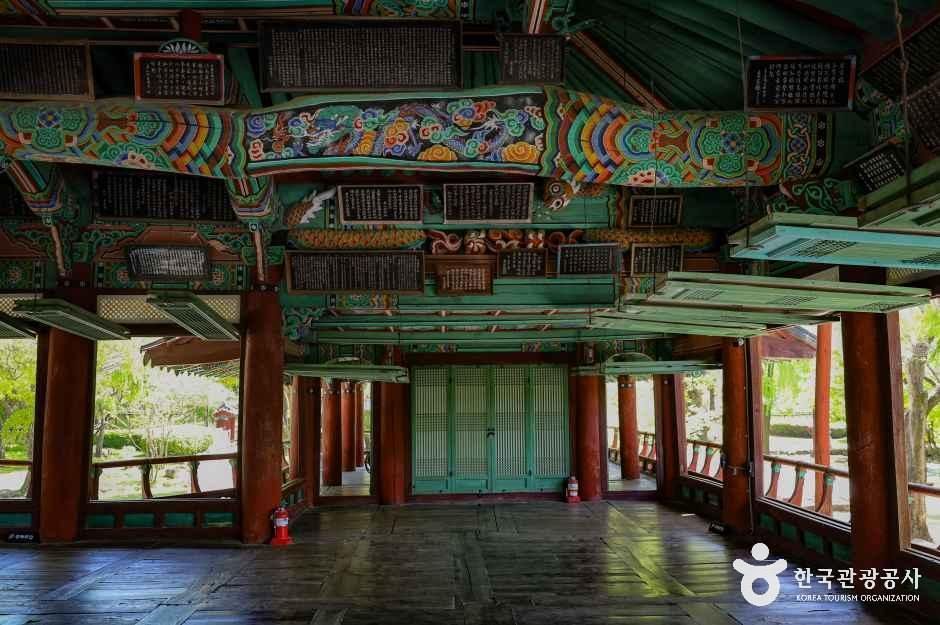
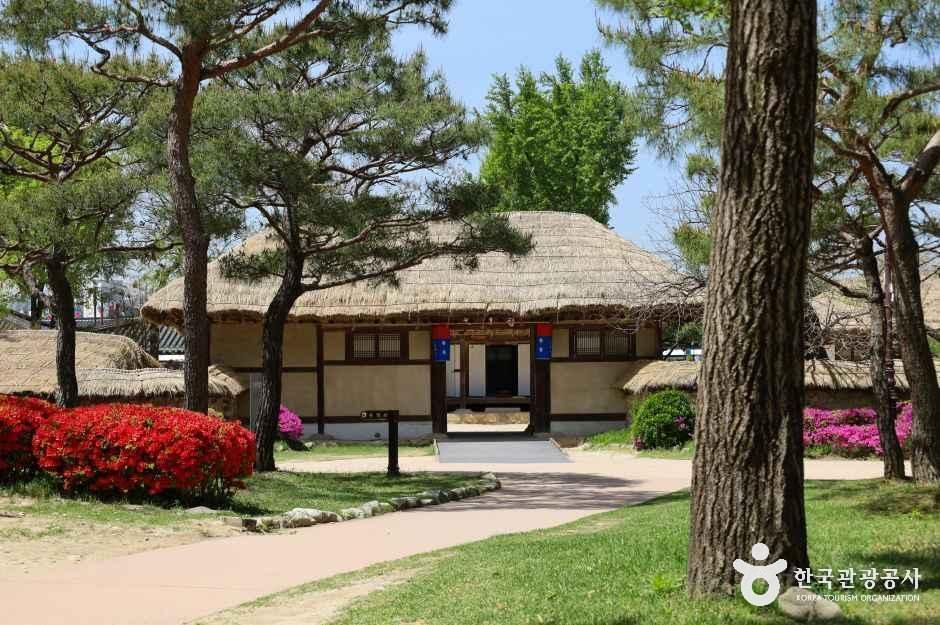
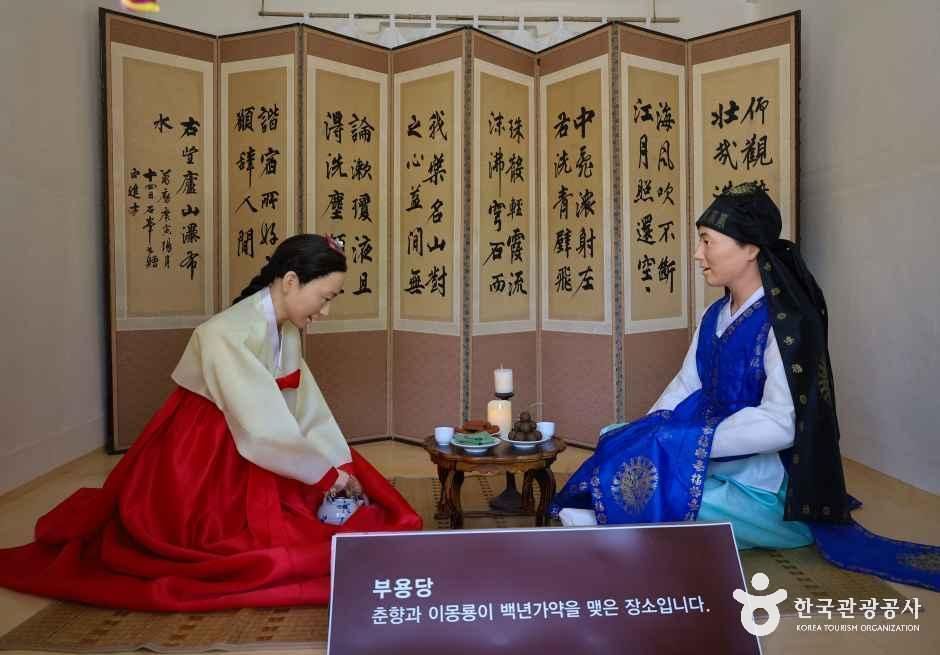
Gwanghallu Garden is the garden of Gwanghallu, created in the early Joseon period in Namwon-si, Jeollabuk-do. Near Namwon Station in the city, there is Gwanghallu where Chunhyang and Lee Doryeong met, and the garden containing this pavilion is collectively called Gwanghallu Garden. To the north of the garden stands Mount Gyoryongsan, and to the south is Geumam Peak, known as a treasure like gold, with distant views of Jirisan Mountain. Gwanghallu Garden is Korea’s top garden pavilion expressing a profound cosmic view where Gwanghallu, symbolizing the Moon Palace by the pond symbolizing the Milky Way, and Samsin Mountain, the earthly paradise, harmonize. It is one of Korea’s four great pavilions along with Gyeonghoeru, Chokseokru, and Bubyeokru. Inside Gwanghallu Garden are Gwanghallu, Ojakgyo Bridge, Wanwoljung Pavilion, Yeongjugak Pavilion, Chunhyanggwan, Chunhyang Shrine, and Wolmae House, along with accessory facilities such as crafts shops and cafes. Lotus flowers symbolizing the earthly paradise are planted in the pond, and on this pond stands Ojakgyo, the love bridge where Gyeonuu and Jiknyeo, separated by the Milky Way, meet only once a year on the seventh day of the seventh lunar month. This stone bridge has four rainbow-shaped holes that allow water flow between both sides and is the most representative bridge of Korean gardens. Chunhyang Shrine holds a portrait of Chunhyang painted by artist Kim Eun-ho. Every year on the 5th day of the 5th lunar month, the Dano Festival is held here. ◎ Travel info to experience the charm of Hallyu: This site recreates the palace of the heavenly Jade Emperor from legend and is Korea’s representative traditional garden pavilion. It has been a filming location for various dramas such as , , and , and is the setting of the classic Korean novel , making Gwanghallu Garden a historic narrative backdrop. It is highly recommended to stroll across Gwanghallu, one of the four great pavilions of Korea, and the love bridge, Ojakgyo.
Namwon Hwangsan Great Battle Monument Site is where a victory monument was once erected to commemorate Yi Seong-gye's achievement of defeating the Japanese invaders at Hwangsan. The Japanese, trapped at the mouth of the Geum River, stationed here while planning to escape by sea. The Goryeo army appointed Yi Seong-gye as the supreme commander and fought fiercely. Yi Seong-gye first shot an arrow that knocked off Ajibaldo's helmet, followed by a second arrow by Iduran that struck his head. The Goryeo forces then completely annihilated the disorganized Japanese who had lost their leader. During the reign of King Seonjo, a victory monument was erected by royal order with inscriptions by Kim Gwiyoung and calligraphy by Song In, but it was destroyed by the Japanese during the colonial period. After liberation, the old monument was restored and in 1972, Shin Seokho wrote new inscriptions in Hangul for a renewed monument. This site strongly evokes the spirit of history bravely forged by our ancestors resisting Japanese invasions. On the right stands the Hwangsan Great Battle Monument, with Pabigak behind it. Inside Pabigak is a monument damaged as a trace of atrocities committed by the Japanese.
Baraebong (1,165m) in the western part of Jirisan has been known since the 1990s as one of the best places in Korea to enjoy azaleas. The azaleas at Baraebong are related to the mutton sheep ranch established by the Livestock Technology Institute, where sheep grazed on plants other than azaleas, allowing the current azalea colonies to form. This area was once restricted, but as mountaineers and photographers introduced its beauty, it gained attention. Azaleas spread more than 4 km from the Baraebong summit down to the west, with the densest growth within a 1.5 km section near Pallangchi. The azaleas start blooming in late April each year and reach their peak around mid-May, though the full bloom period can vary depending on weather conditions.
优先展示路线结束后方便休息的住宿
注册成为会员,让更多人认识你的频道。
(成为会员后,在“我的页面”中设置 Instagram、YouTube、博客链接,我们会在你发表的每条评论旁一起展示。)
““住在弘大附近,晚上去了一圈咖啡馆,城市夜景和氛围都太完美了。””
以访客身份发表的评论,不会显示任何社交账号链接或个人资料卡片
分享一条关于这个地点的小贴士吧。
或者以访客身份快速留下一个评论。
请登录后再上传照片。
还没有任何评论,快来写下你的第一条感受吧!