宁静宜人 in 全北特别自治道 长寿郡 · schedule 其他 · distance 12.9km · 2 stops · highlights Nongae Shrine, Jangsu Hyanggyo

长安山位于海拔500米的高地,环绕着清澈而深邃的溪谷,是夏季休闲的热门地点。游客可以漫步至传说中龙居住的德山龙沼,沿着落叶茂盛的山路行走,感受秋季景色,令人心境清明。
这条路线是 2 天行程示例。你可以直接保存,或扩展为 AI 行程。
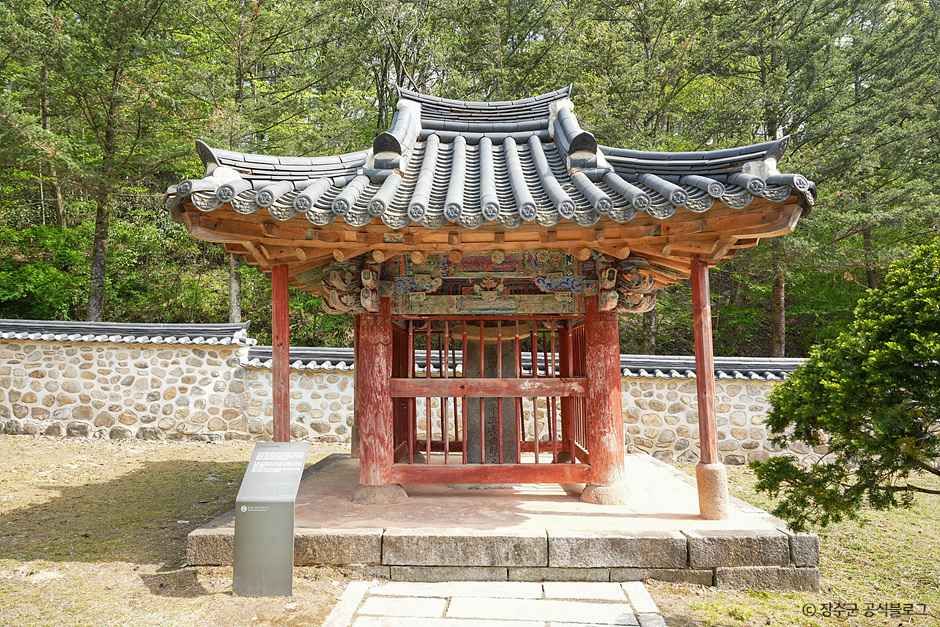
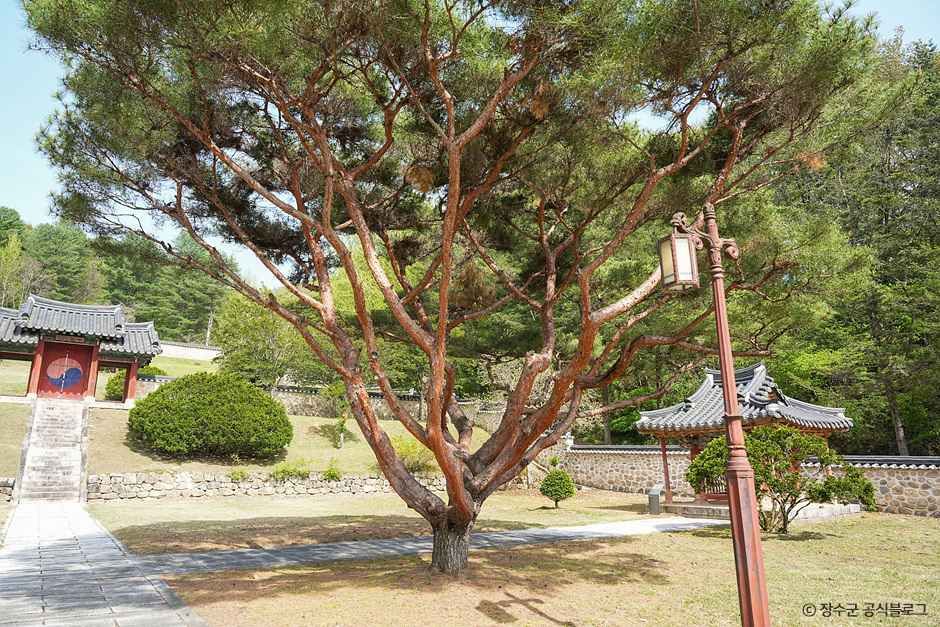
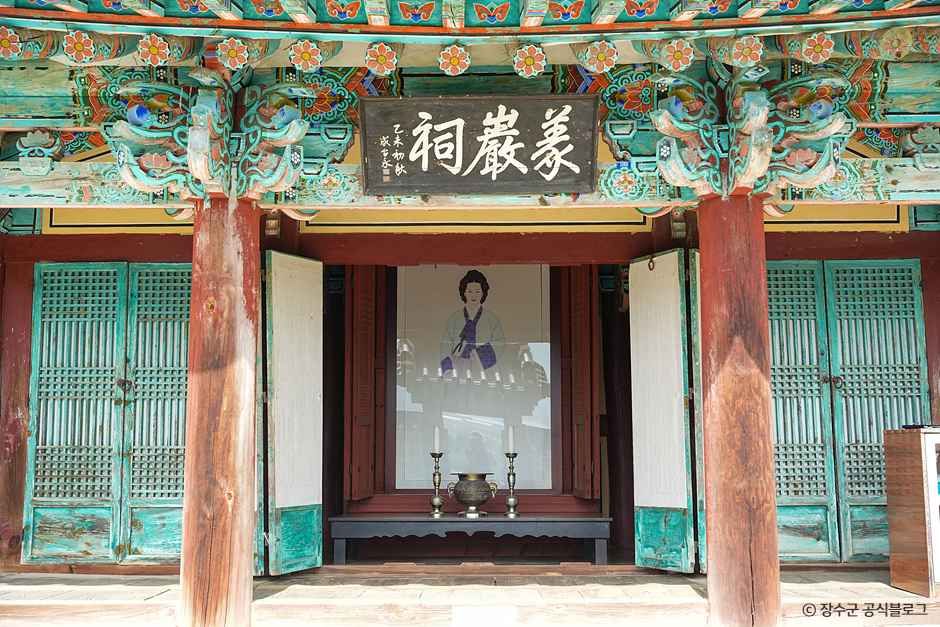
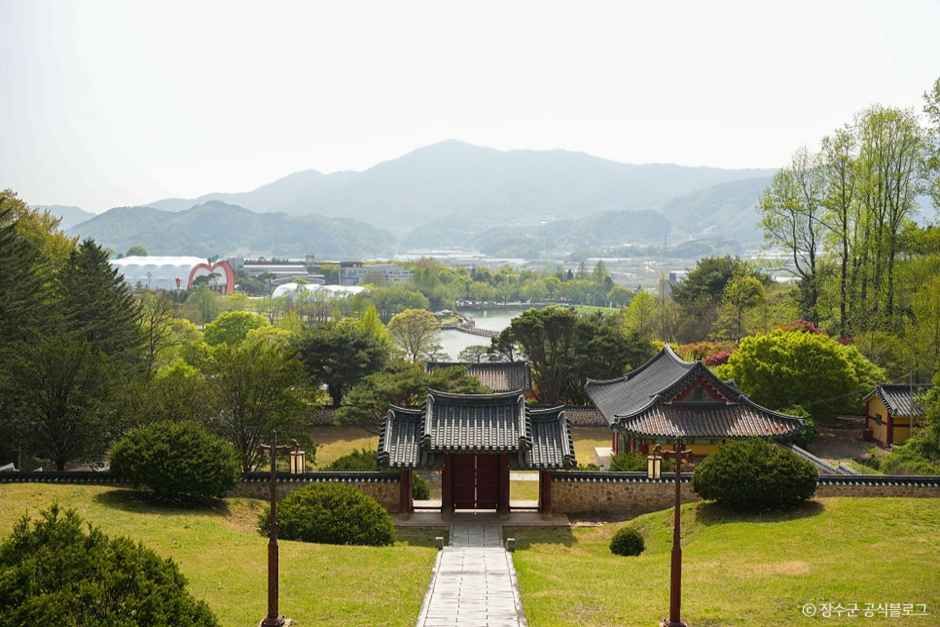
Uiamsa is a shrine enshrining the portrait of Joo Nongae, born in Jangsu, who jumped into the Namgang River with a Japanese general at Jinjoo Chokseokru. Nongae, known as one of the three great talents of Jangsu, was loved by Jinjoo military commander Choi Gyeonghoe during the mid-Joseon period. When Jinjoo Fortress, which resisted to the last during the Imjin War, was captured, the Japanese generals held a banquet at Chokseokru. Nongae, attending as a gisaeng, could not contain her grief over the fall of the fortress and the death of soldiers and civilians. She lured the Japanese general Geyamura Humisuke onto a rock, embraced him, and then jumped into the Namgang River to commit suicide. The rock she jumped from was later called Uiam, which is why the shrine is named Uiamsa. To commemorate her, in the 12th year of King Heonjong's reign (1846), the Jangsu magistrate erected the Chokseoksi Gionga Nongae Saengjanghyangsumyeongbi monument, and later in 1955, Jangsu residents built Nongae Shrine on Namsan, Jangsu-gun. In 1973, a sanctuary project was approved which relocated the shrine and built walls, triple gates, and decorated the Dancheong. The shrine grounds include the Saengjanghyangsumyeongbi Pavilion, memorial hall, outer triple gate, inner triple gate, Chungui Gate, and Portrait Pavilion. Every lunar September 3rd, Jangsu-gun holds a memorial ritual to honor Nongae's noble patriotism, designating the day as Jangsu Citizens' Day.
Jangsu Hyanggyo is a local educational institution established by the state in the 7th year of King Taejong of Joseon (1407) to enshrine virtuous people and educate local residents. It was relocated to its current site in the 12th year of King Sukjong (1686). The Daeseongjeon is a space for enshrining Confucius and various sages, measuring 3 kan wide by 3 kan deep. The roof forms a side-facing gable roof resembling the Chinese character for person (人). The building is modest in size, with a double door in the center of the front facade. Each side room has a similar door, with a well-shaped (井) window beside it. The decorative structure supporting the eaves is elaborately adorned, a characteristic element of mid-Joseon architecture. Jangsu Hyanggyo was well preserved even during the Japanese invasions of the late 16th century, providing a clear example of early Joseon Hyanggyo style. The books stored here are valuable for local historical research, and particularly, the Daeseongjeon is one of the representative buildings of Joseon-era hyanggyo architecture.
注册成为会员,让更多人认识你的频道。
(成为会员后,在“我的页面”中设置 Instagram、YouTube、博客链接,我们会在你发表的每条评论旁一起展示。)
““住在弘大附近,晚上去了一圈咖啡馆,城市夜景和氛围都太完美了。””
以访客身份发表的评论,不会显示任何社交账号链接或个人资料卡片
分享一条关于这个地点的小贴士吧。
或者以访客身份快速留下一个评论。
请登录后再上传照片。
还没有任何评论,快来写下你的第一条感受吧!