沿着华顺支石墓遗址漫步 in 全罗南道 华顺郡 · schedule 其他 · distance 50km · 3 stops · highlights Hwasun Dolmen Cluster [UNESCO World Heritage], Unju Temple, Ssangbongsa Temple

华顺与全北高敞、江华岛一起,支石墓遗址被列为世界文化遗产。从代新里到孝山里的路上,可以看到包括平梅岩在内的众多支石墓以及采石场的遗迹。环绕支石墓遗址一周后,还可以参观隐藏着另一种石头之美的云住寺千佛千塔和双峰寺铁感禅师塔。
这条路线是单日行程示例。你可以直接保存,或扩展为 AI 行程。
The Hwasun Dolmen Cluster is distributed across the Yanggye valley area connecting Hyosan-ri in Dogok-myeon and Daeshin-ri in Chunyang-myeon. Among the approximately 980 stones dispersed around Hyosan-ri in Dogok-myeon, 135 are estimated to be dolmens, and there remain over 100 stones showing the shapes of capstones whose lower parts are either buried or broken. The Hyosan-ri dolmens, including those clearly exposed or quarried and moved to build dolmens, are estimated to have been at least 250 in number. In the Daeshin-ri area of Chunyang-myeon, among a total of 3,309 stones, 124 are estimated to be dolmens. With more than 200 stones buried or shaped like capstones, it is believed that originally or for use as dolmen capstones, there were more than 300 dolmens. The surveyed dolmens with standing stones number 23. A distinctive feature of the Hwasun Dolmen Cluster is the concentration of about 596 dolmens within a narrow area and the presence of the largest (heaviest) capstones in South Korea. The dolmen in Daeshin-ri, Chunyang, measures 7.3m long, 5.0m wide, and 4.0m thick, weighing approximately 280 tons, while the largest dolmen in Hyosan-ri, Dogok, is estimated to weigh over 100 tons, measuring 5.3m long, 3.6m wide, and 3.0m thick. Furthermore, groups of dolmens with stone chambers and those with exposed chambers beneath capstones found nearby reveal the quarrying process of dolmen capstones. Underneath these quarries are standing stone-based dolmens, dolmens with exposed stone chambers, and stone chambers without capstones, providing a comprehensive view of dolmen construction processes in one place. On December 2, 2000, it was registered as a UNESCO World Heritage Site together with the Gochang and Ganghwa dolmens, rising as an international tourist destination.
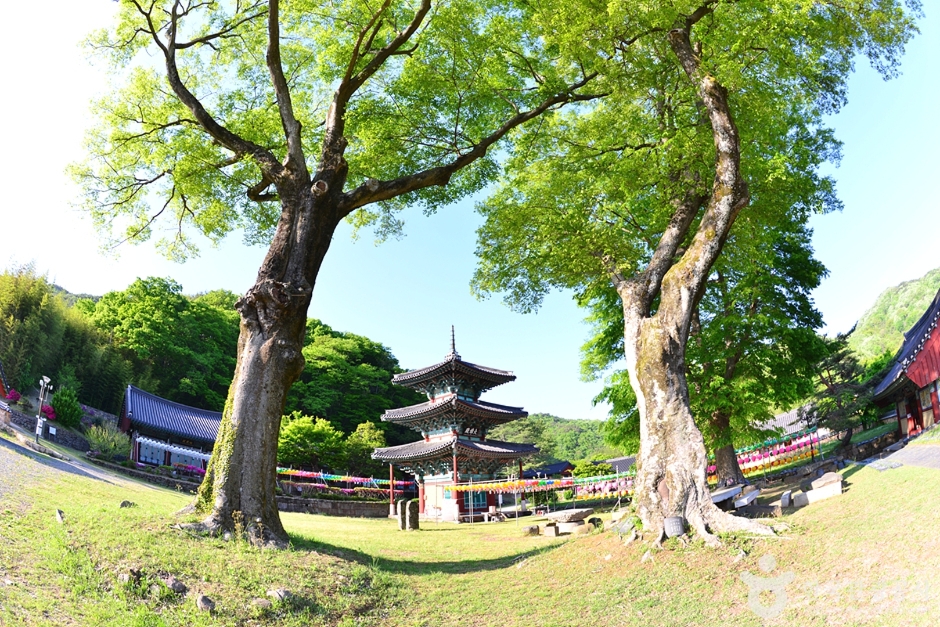
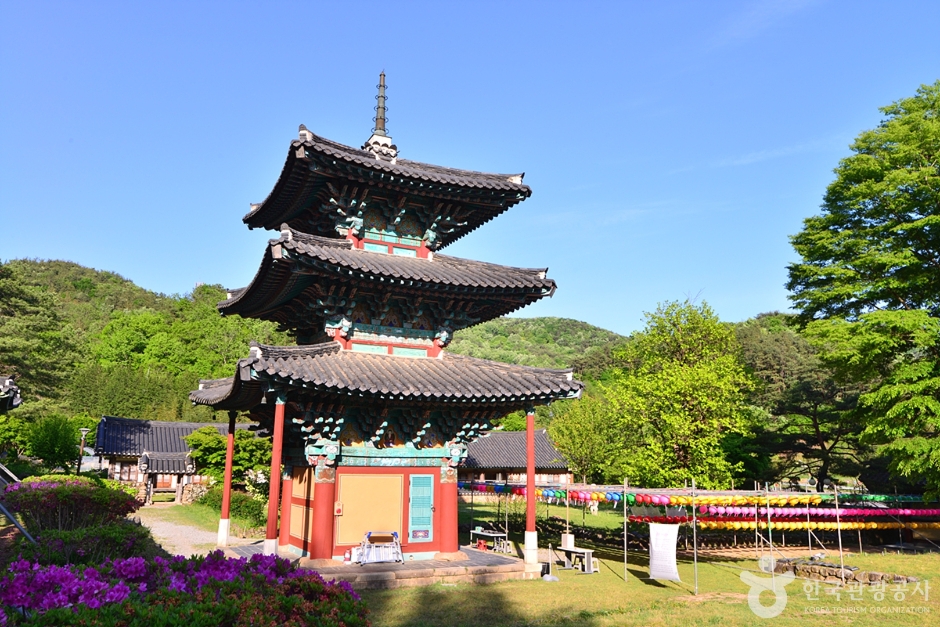
Unju Temple, the 2nd of Hwasun’s 8 Scenic Sites, has several origin stories: it is said to have been founded by Doseon Guksa, Unju Monk, or Mago Halmi. The most widely told story is that Doseon Guksa established it as a pungsujiri-based bibo temple in the late Unified Silla period. A bibo temple means a temple built to complement geographic energy for protection; it was constructed artificially with pagodas and Buddha statues to offer protection and peace to the country and people, reflecting Doseon Guksa’s wisdom borrowing Buddha’s power. The temple was damaged during the Imjin War and fell into ruin, but in the 18th century, Jau repaired Buddha statues and pagodas and rebuilt the Yaksa-jeon hall. Excavations uncovered relics including gilt-bronze Buddha statues, pure celadon, inlaid celadon, buncheong ware fragments, and roof tile pieces, suggesting it was established by the early Goryeo period, at least by the early 11th century. On a hill west of the Unju Temple valley lie a pair of reclining couple Buddhas. The area around the temple is designated as a cultural heritage protection zone, and in 2017, the "Hwasun Unju Temple Stone Pagoda Group" was finally registered on the UNESCO World Heritage Tentative List.
Ssangbongsa Temple was established before 839 during the Unified Silla period. Monk Hyecheol spent summers here, and around 855 Monk Cheolgam returned from China, saw the harmonious mountain and water landscape here, and founded the temple. The terrain has two mountain peaks in front and behind the temple, called Ssangbong, hence the name Ssangbongsa. After its founding, the temple declined but was rebuilt in 1081 by Monk Hyeso to restore its original form. It was destroyed during the Imjin War and has been reconstructed several times since. Important cultural heritage includes the Cheolgamseonsa Pagoda, Cheolgamseonsa Stela, and Ssangbongsa Daeungjeon Hall. The Cheolgamseonsa Pagoda is regarded as the most beautiful stone Buddhist stupa in Korea. The Cheolgamseonsa Stela is a late Silla work, with only the turtle-shaped base and dragon-shaped headstone remaining. The Daeungjeon, a square three-story structure 12 meters tall, was the only building preserving the form of a three-story wooden pagoda in Korea except for the top parts, but it was destroyed by a candle fire in 1984. Experience programs include temple stay, divided into rest and long-term rest types. Activities such as communal meals, Buddhist ceremonies, meditation, and tea talks with monks are offered. Visitors can enjoy walking around the temple grounds in the clean air to maintain healthy mind and body.
优先展示路线结束后方便休息的住宿
注册成为会员,让更多人认识你的频道。
(成为会员后,在“我的页面”中设置 Instagram、YouTube、博客链接,我们会在你发表的每条评论旁一起展示。)
““住在弘大附近,晚上去了一圈咖啡馆,城市夜景和氛围都太完美了。””
以访客身份发表的评论,不会显示任何社交账号链接或个人资料卡片
分享一条关于这个地点的小贴士吧。
或者以访客身份快速留下一个评论。
请登录后再上传照片。
还没有任何评论,快来写下你的第一条感受吧!
![Hwasun Dolmen Cluster [UNESCO World Heritage] 1](https://tong.visitkorea.or.kr/cms/resource/27/3534427_image2_1.jpg)
![Hwasun Dolmen Cluster [UNESCO World Heritage] 2](https://tong.visitkorea.or.kr/cms/resource/28/3534428_image2_1.jpg)
![Hwasun Dolmen Cluster [UNESCO World Heritage] 3](https://tong.visitkorea.or.kr/cms/resource/29/3534429_image2_1.jpg)
![Hwasun Dolmen Cluster [UNESCO World Heritage] 4](https://tong.visitkorea.or.kr/cms/resource/30/3534430_image2_1.jpg)