反思分裂与和平意义的特别一天 in 江原特别自治道 华川郡 · schedule 其他 · distance 17km · 3 stops · highlights World Peace Bell Park, Pyeonghwa Dam, Bimok Park

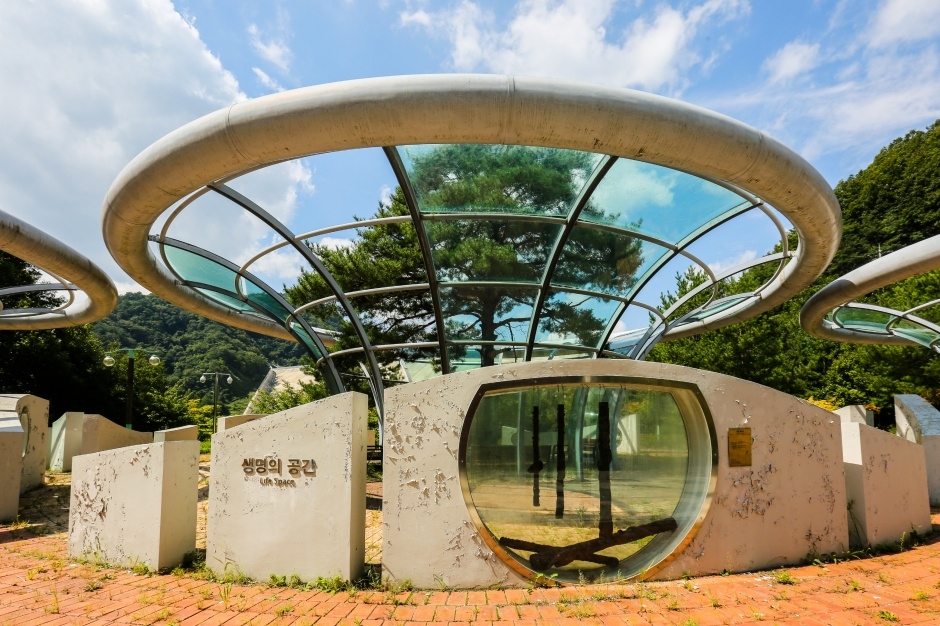
华川因毗邻非军事区,保留了许多原始自然美景。这里有许多反映韩国分裂现实和和平主题的场所。可以参观由世界冲突地区使用过的弹壳制成的世界和平钟公园、展示分裂带来悲伤历史的和平大坝,以及纪念朝鲜战争痛苦的歌曲《悲木》的悲木公园,体验有意义的时光。
这条路线是单日行程示例。你可以直接保存,或扩展为 AI 行程。
World Peace Bell Park is located on a site of about 1,000 pyeong above the Peace Dam. The Peace Bell was made measuring 5m in height and 3m in width by collecting 10,000 shells (37.5 tons) from over 60 countries that have experienced or are experiencing conflict. Bells sent from various countries around the world are exhibited in the surrounding outdoor exhibition hall. Influential figures from around the world who empathize with this plan have sent bells symbolizing peace. For example, Domenico Pappisi, mayor of Calisi, Italy, sent a bell used at the Santa Kiria Monastery to signal prayer time for world peace, and Dr. Sulak Sivaraksa (74), a Thai peace activist and Nobel Peace Prize nominee, sent a bell used at a Buddhist temple in Bangkok. Near the path to the Peace Dam are many tourist attractions such as the Kwangbawi Valley, a pristine forest valley, Bungeo Island, Paroho Security Hall, and the Haesan Observatory where tiger footprints and droppings were found, making it an excellent travel destination.
Pyeonghwa Dam was built to defend against the water discharge from the North Korean Imnam Dam. This dam is 601m long and 125m high, operating as a flood control-only dam. Around Pyeonghwa Dam, various tourist facilities have been created, including Bimok Park, Trick Art, International Peace Art Park, Skywalk, and Water Culture Hall. Notably, the World Peace Bell, made from bullet shells collected from conflict zones in over 60 countries and standing 5m high, is installed here, and visitors can also experience ringing it, leaving a deep impression.
Hwacheon Bimok Park is a park in Hwacheon-gun, Gangwon-do, dedicated to commemorating the pain and sacrifice of the Korean War. This is also the birthplace of the national song "Bimok." The song Bimok originated in the mid-1960s when a young officer discovered an anonymous soldier's stone tomb in the overgrown Baegamsan valley north of the Peace Dam and wrote lyrics honoring his young soul. Later, Jang Il-nam composed the music, creating the song Bimok. Bimok Park features the Bimok Tower, a sculpture of the anonymous soldier's stone tomb, a mountain magnolia sculpture, and a song monument. The song monument, with the lyrics of the song Bimok, is located at the entrance to the park parking lot. The Bimok Tower was erected by the devotion of Hwacheon residents to honor those who sacrificed their lives for the country during the Korean War. The park is located on a hill west of Peace Dam, offering views of Peace Dam and Paroho lakeside. Every year from June 3 to 6, Hwacheon hosts the Bimok Cultural Festival here at Bimok Park and at Bung-eo Island on the riverside in Hwacheon town. The four-day festival includes a memorial service featuring military songs and poetry reading, a Bimok carving competition, a rice ball eating contest, military camp experience, and a military band parade. Near Hwacheon Bimok Park are security education sites like the 4th Tunnel and Eulji Observatory, Paroho War Memorial Tourist Site, Ttansan Recreation Area, Bung-eo Island Recreation Area, Samil Valley, and Haesan Observatory.
注册成为会员,让更多人认识你的频道。
(成为会员后,在“我的页面”中设置 Instagram、YouTube、博客链接,我们会在你发表的每条评论旁一起展示。)
““住在弘大附近,晚上去了一圈咖啡馆,城市夜景和氛围都太完美了。””
以访客身份发表的评论,不会显示任何社交账号链接或个人资料卡片
分享一条关于这个地点的小贴士吧。
或者以访客身份快速留下一个评论。
请登录后再上传照片。
还没有任何评论,快来写下你的第一条感受吧!