河东双溪寺河东十里樱花路 in 庆尚南道 河东郡 · schedule 当天 · distance 약 6.2km · 3 stops · highlights Hadong Hwage Jangteo, Gwangyang Maehwa Village, Choe Champan Residence

河东双溪寺河东十里樱花路是河东的代表性樱花路,也是国内最美的樱花路之一。春天来临时,从双溪寺到花开市场的十里路上满是樱花。与国内许多樱花路不同,这里与双溪寺溪谷完美融合,形成如画的风景。乘车经过时,银白色的花海令人目不暇接,直到花开市场。路中段的单行道是亮点,可以慢行,沉醉于樱花香气中。路线信息:双溪寺入口至花开市场(约6.2公里)。
这条路线是单日行程示例。你可以直接保存,或扩展为 AI 行程。
Hwage Jangteo, famous as the setting of Kim Dong-ri's novel 'Yeokma,' is located at the border between Yeongnam and Honam regions. It was a hub for distributing seafood and salt from the southern coast, fertile grains from the Honam plains, mountain vegetables and woodenware from the Jirisan mountain area, through the developed waterways of Hadong port. From the mid-Joseon Dynasty to before liberation, it prospered as one of the nation's notable markets. However, with the development of transportation and distribution systems, it declined, disappearing its old appearance. Hwage Jangteo was a traditional market held at the confluence of the Hwage Stream, originating from Jirisan, and the Seomjin River, where a five-day market thrived. Recently, it operates as a permanent market without a separate five-day market. To meet the expectations of visitors drawn by Cho Young-nam's song 'Hwage Jangteo' and restore its traditional atmosphere, a project investing 1.6 billion won on about 2,540 pyeong was undertaken to build traditional market buildings and a green tea specialty mall with convenience facilities. It opened on April 5, 2001, with the 9th Hwage Jangteo Cherry Blossom Festival, operating as a permanent market.
Gwangyang Maehwa Village is located at the foot of Baegunsan Mountain in the lower reaches of the Seomjin River, dazzling with pure white maehwa blossoms every March. Each spring, the air is filled with the sweet scent of maehwa, and the surroundings are beautifully decorated with white, pink, or bright red flower buds. The Gwangyang Maehwa Festival is also held here, opening the Cheong Maesil Farm run by Korean Food Master Hong Ssangri and the surrounding area to visitors. The farm provides the venue, and village residents prepare traditional feast foods to present. Enjoying maesil makgeolli and buchujeon under the prettily blooming maehwa is a delightful experience. Various programs such as guest singer performances and introductions to local specialties are offered.
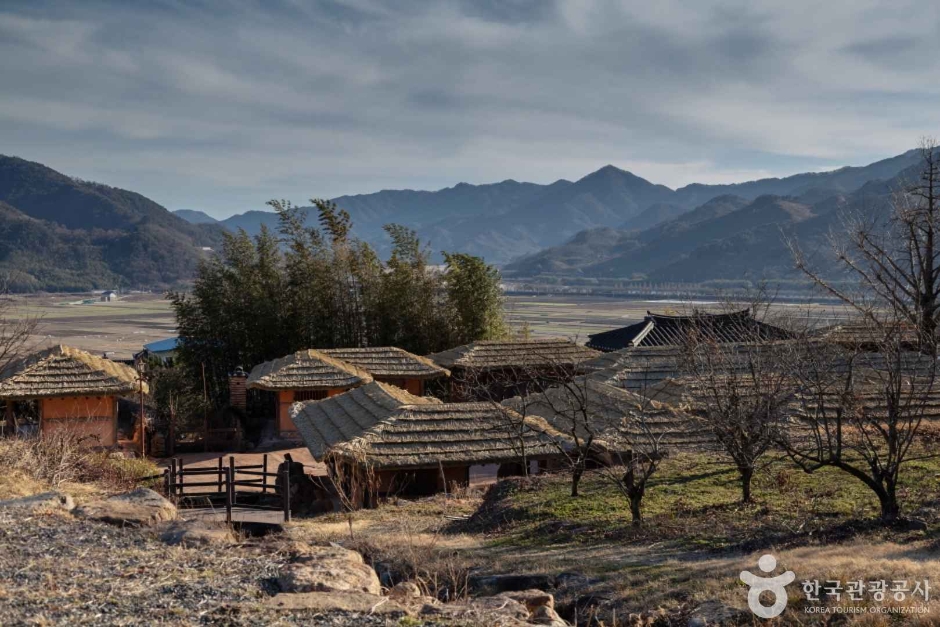
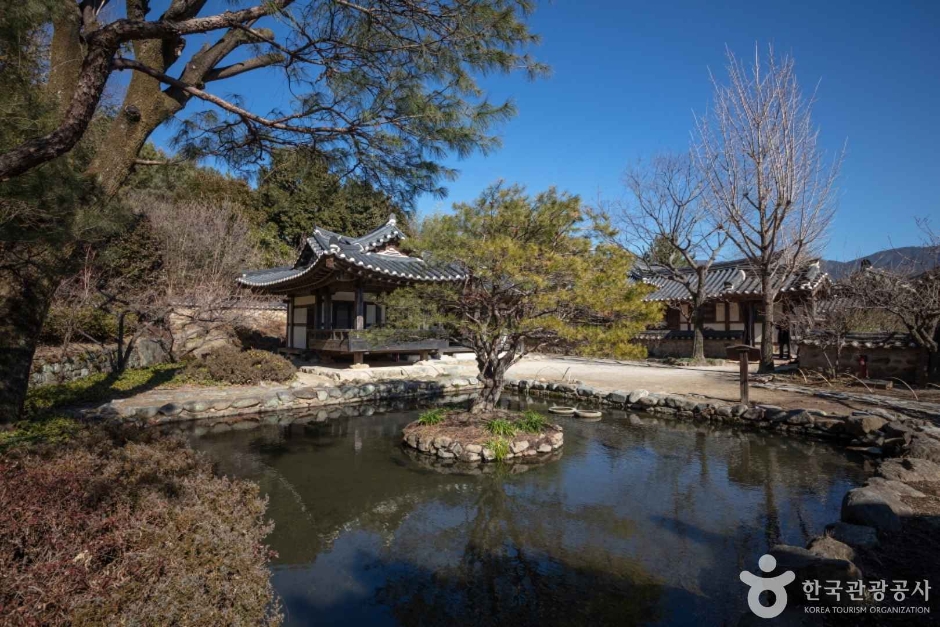
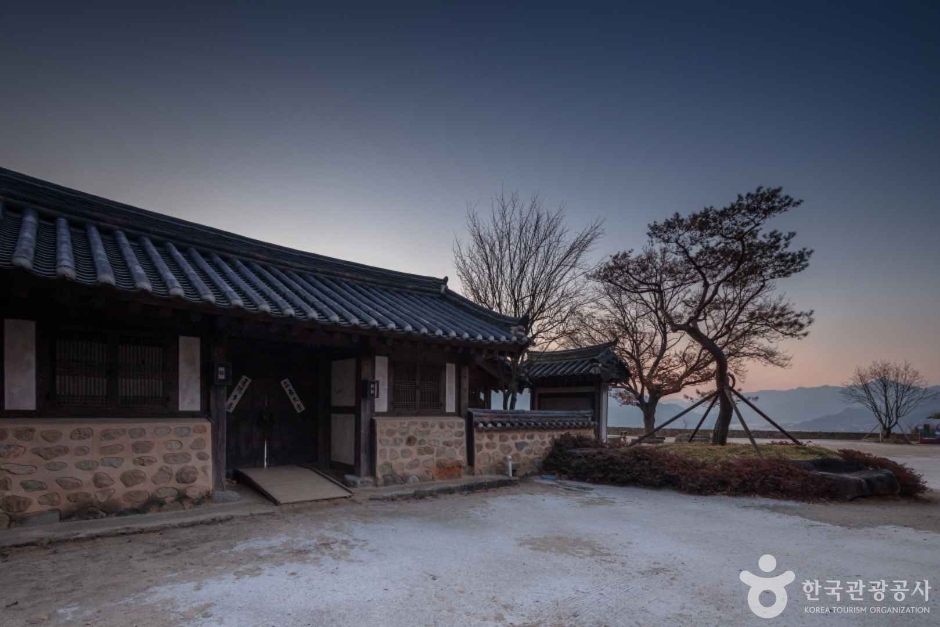
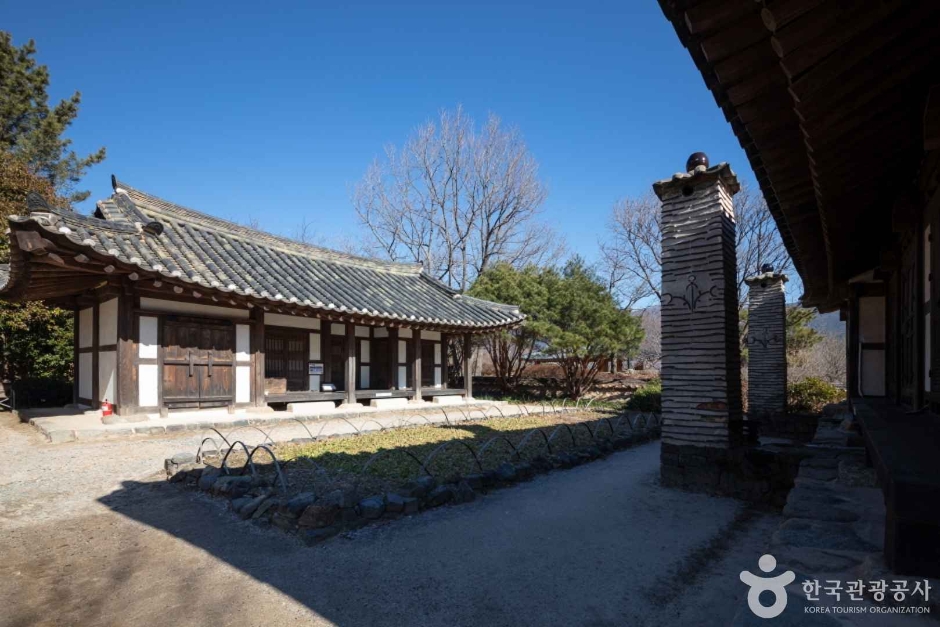
Agyang Pyeongsari, famous as the setting of Park Kyung-ni’s epic novel , is land richly blessed by the Seomjin River. Following the Pyeongsa-ri paddy field path, two pine trees stand tall in the middle of the field, warmly welcoming visitors, and thatched cottages unfold like a painting along the foothills of Jirisan. Among them, the tile-roofed house resembling a whale’s back is the Choe Champan Residence, the backdrop of Park Kyung-ni’s . In Pyeongsari, which serves as the background for this epic novel covering our Korean people’s grand narrative from the Donghak Revolution to modern history, the Choe Champan house is realized as 14 hanok buildings, and a drama set for reproducing late Joseon period lifestyles is also established. Every autumn, the nationwide literary festival “Toji Literature Festival,” celebrating writers from across the country, is held here, establishing the area as a literary village.
注册成为会员,让更多人认识你的频道。
(成为会员后,在“我的页面”中设置 Instagram、YouTube、博客链接,我们会在你发表的每条评论旁一起展示。)
““住在弘大附近,晚上去了一圈咖啡馆,城市夜景和氛围都太完美了。””
以访客身份发表的评论,不会显示任何社交账号链接或个人资料卡片
分享一条关于这个地点的小贴士吧。
或者以访客身份快速留下一个评论。
拖拽或点击添加图片(最多6张)
还没有任何评论,快来写下你的第一条感受吧!