和月熊玩耍吧! in 庆尚南道 庆尚南道 · schedule 其他 · distance 22.4km · 2 stops · highlights Bear Tree Park, Biamsa Temple

韩国最晚建立、最年轻的城市世宗市隐藏着哪些旅游景点?可以见到月熊的熊树公园深受家庭游客欢迎。百济时代遗迹云州山城适合带儿童的家庭游客攀登,负担不大。还可以参观拥有800年树龄、成为一柱门的榉树的古刹碑岩寺。
这条路线是单日行程示例。你可以直接保存,或扩展为 AI 行程。
Bear Tree Park, located in Sejong Special Self-Governing City, opened in May 2009. It was developed from plants and animals nurtured for over 50 years by founder Lee Jae-yeon, growing into the current Bear Tree Park. On a 330,000㎡ (100,000 pyeong) site, more than 1,000 species and about 400,000 flowers and trees coexist with koi, moon bears, and spotted deer. Starting with the colorful pond inhabited by over 100 koi, visitors can directly see hundreds of moon bears and brown bears playing. There is an observatory providing a panoramic view of the park, Bear Tree Garden blooming all year round, and a petting zoo exhibiting baby moon bears, deer, peacocks, mandarin ducks, and more. The park also includes Songbaekwon, a pine garden collecting rare pine trees; Hagyegjeongwon, a summer garden harmonizing dead trees and incense trees; a rose garden with thousands of roses; a wildflower hill featuring native wildflowers; a bonsai garden with various bonsai trees; a tropical greenhouse garden gathering rare tropical plants found in Korea; Mangyeongbiwon, full of cacti, succulents, and petrified wood; Hyangnudongsan, a cedar grove with over 100-year-old incense trees; and Songpawwon, a European-style garden shaped like a map of Korea with an 800-year-old zelkova tree. Over 1,000 koi, previously scattered across several outdoor ponds, gather in one place to survive the warm winter, creating a spectacular sight. Visitors can witness a whirlwind of koi gathering when food is scattered.
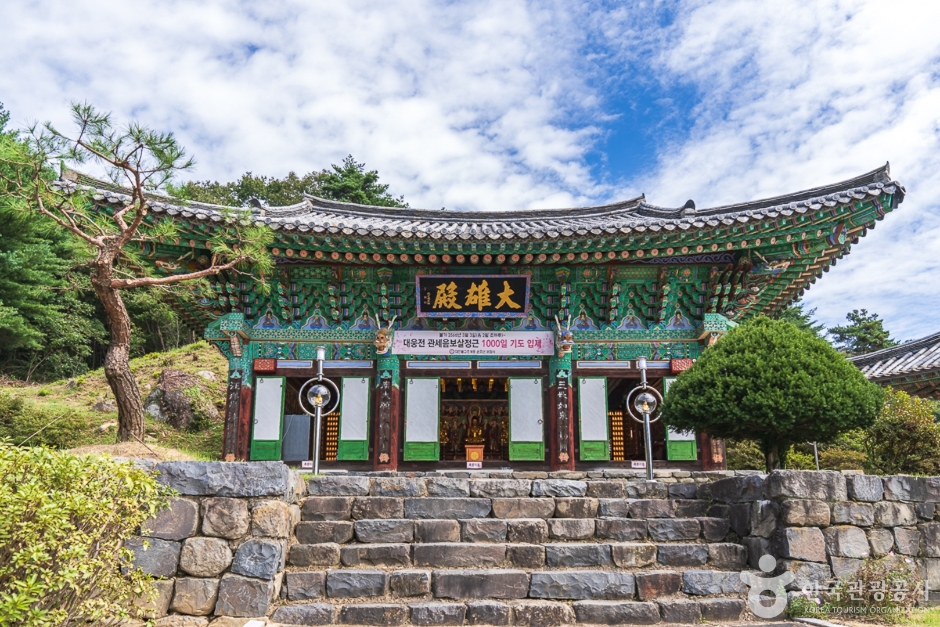
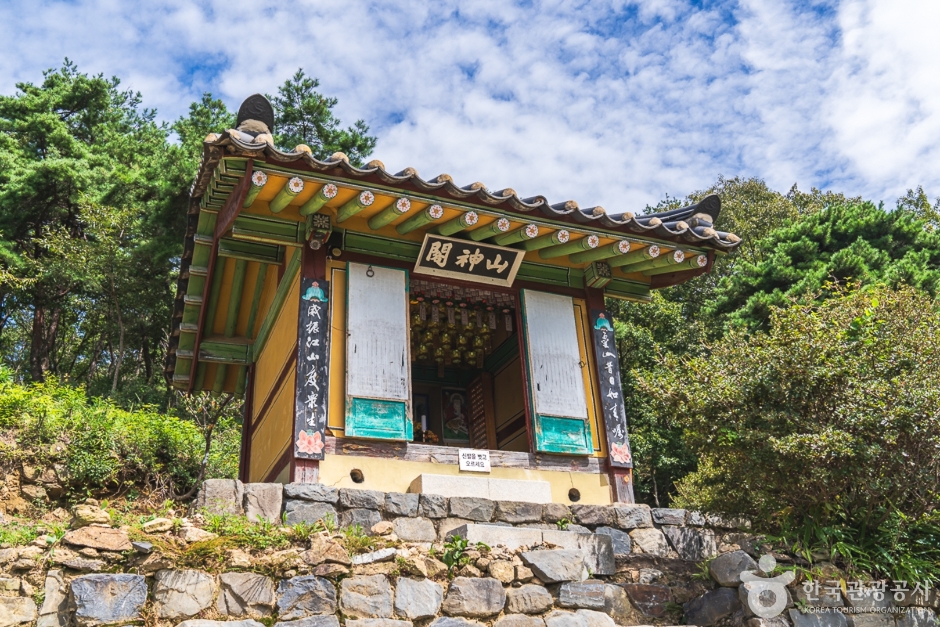
The traditional temple Biamsa is said to have been founded by Doseon Guksa at the end of the Unified Silla period, but the exact history is unknown. The national treasures, including the Gye-yu Inscription Amitabha Buddha Stele and the cultural assets such as the Gi-chuk Inscription Amitabha Buddha Stele and Maitreya Bodhisattva Ban'gasa Statue discovered at Biamsa, are kept at the National Cheongju Museum. The closed roof inside Biamsa’s Geungnakbojeon Hall, restored in 1657, has been newly designated as a treasure due to its elaborate and splendid craftsmanship. Half of the cultural heritage excavated in Sejong City reportedly comes from Biamsa, making it a representative historical and cultural heritage site of Sejong City. The 860-year-old zelkova tree at Biamsa is another attraction; in olden times when farming was fundamental, villagers predicted the year's harvest by observing how the leaves sprouted on the tree in early spring. If leaves sprouted from the bottom up, it was believed to be a bad harvest, and if from the top down, a good one. The inscription in front of the tree reads “Not a single person has come by.” After parking at Biamsa parking lot, rather than going straight up to the temple, follow the stairs behind the restroom up the mountain a bit to view Biamsa at a glance. Surrounded by forest and with few visitors, it allows one to fully experience the charm of an ancient mountain temple.
优先展示路线结束后方便休息的住宿
注册成为会员,让更多人认识你的频道。
(成为会员后,在“我的页面”中设置 Instagram、YouTube、博客链接,我们会在你发表的每条评论旁一起展示。)
““住在弘大附近,晚上去了一圈咖啡馆,城市夜景和氛围都太完美了。””
以访客身份发表的评论,不会显示任何社交账号链接或个人资料卡片
分享一条关于这个地点的小贴士吧。
或者以访客身份快速留下一个评论。
请登录后再上传照片。
还没有任何评论,快来写下你的第一条感受吧!