在智异山和蟾津江依偎的风水宝地休息 in 全罗南道 古里县 · schedule 其他 · distance 64.4km · 5 stops · highlights Choe Champan Residence, Gurye Unjoru Old House, Hwaeomsa Temple
朴景利先生的长篇小说《土地》的舞台——岳阳平沙里,是蟾津江恩惠汇聚之地。岳阳的地名源自中国岳阳,平沙里江边的沙滩被称为金塘,沙滩中的湖泊称为东井湖。岳阳的美景中有小相八景,东井湖及小相八景是当地人的骄傲,展现了充满韩国风情的美丽景致。位于兄弟峰半山腰300米处的史迹第151号高所城,是新罗时代的城堡,俯瞰蟾津江和东井湖,诉说千年的历史足迹。
这条路线是 2 天行程示例。你可以直接保存,或扩展为 AI 行程。
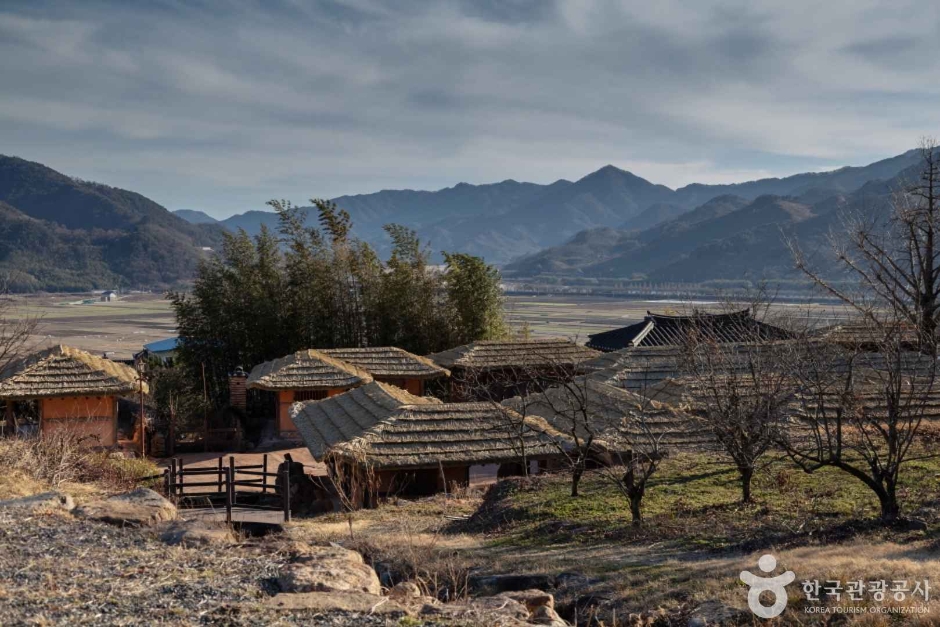
Agyang Pyeongsari, famous as the setting of Park Kyung-ni’s epic novel , is land richly blessed by the Seomjin River. Following the Pyeongsa-ri paddy field path, two pine trees stand tall in the middle of the field, warmly welcoming visitors, and thatched cottages unfold like a painting along the foothills of Jirisan. Among them, the tile-roofed house resembling a whale’s back is the Choe Champan Residence, the backdrop of Park Kyung-ni’s . In Pyeongsari, which serves as the background for this epic novel covering our Korean people’s grand narrative from the Donghak Revolution to modern history, the Choe Champan house is realized as 14 hanok buildings, and a drama set for reproducing late Joseon period lifestyles is also established. Every autumn, the nationwide literary festival “Toji Literature Festival,” celebrating writers from across the country, is held here, establishing the area as a literary village.
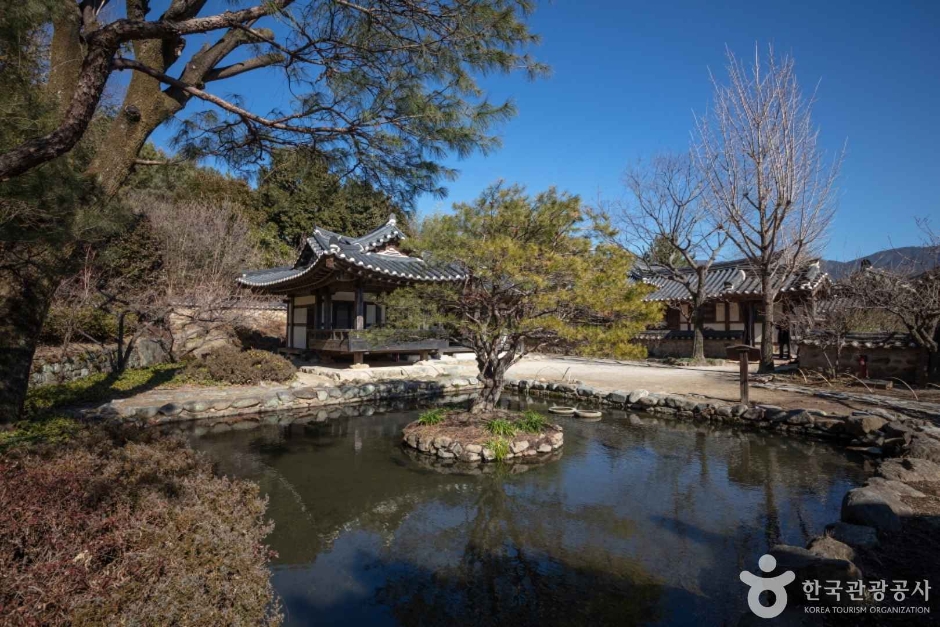
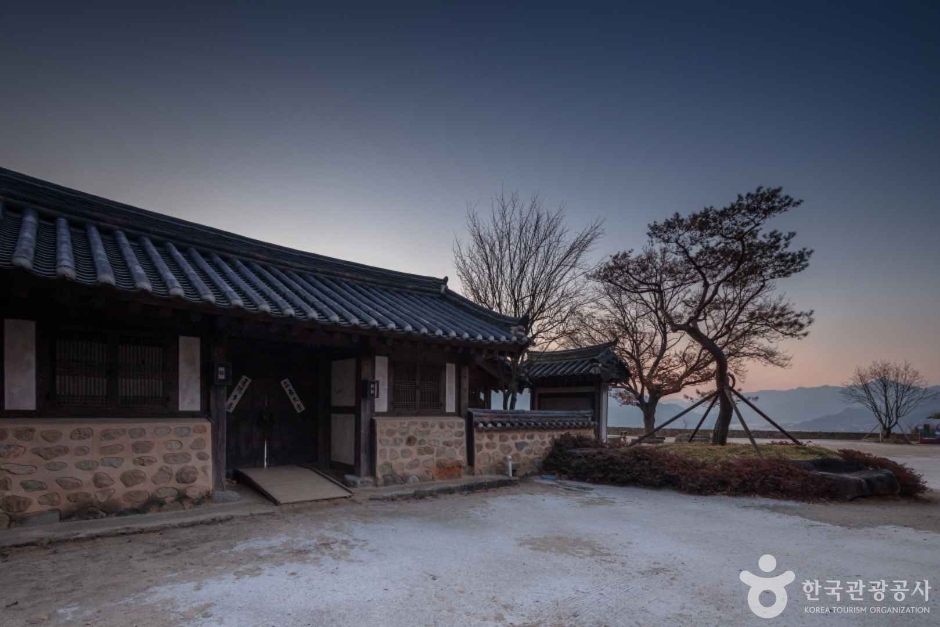
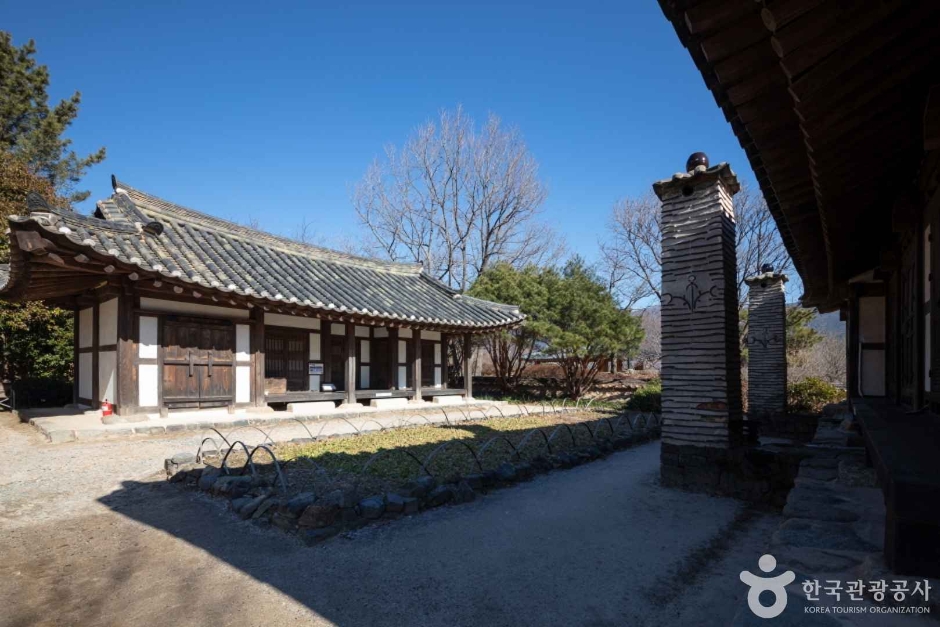
Gurye Unjoru Old House is located in Omi Village among several villages in Toji-myeon. Unjoru is the name of the large sarangchae (men's quarter) and means a house hiding like a bird in the clouds. This building was originally started by Ryu Iju, a man from Daegu, who was fascinated by the auspicious site of Geumhwanrakji and decided to live here after retiring, taking seven years to build. It was initially a 73-kan (room) house, but some parts were lost due to fire and time. According to a 2007 Cultural Heritage Administration survey, 63-kan remain preserved. The house retains an L-shaped haengnangchae (servants' quarters), U-shaped anchae (main quarters), and ├-shaped haengnangchae, as well as a shrine, lotus pavilion, and gabin site, showcasing features of upper-class Joseon Dynasty residences. Unjoru Old House arranges spaces by hierarchy with different floor levels. Uniquely, it has a ramp not found in other old houses, allowing a palanquin to enter directly to the large sarangchae.
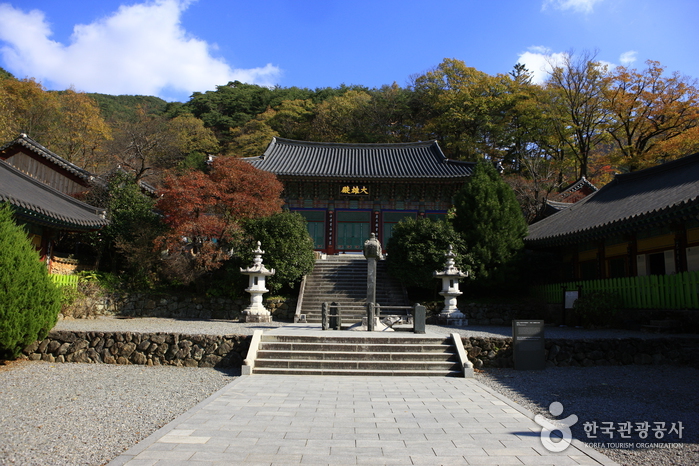
Hwaeomsa Temple is a thousand-year-old temple located 5.4 km east of Gurye-eup, on the slopes of Jirisan, a sacred mountain of the nation. It was founded in 544 (22nd year of King Seong of Baekje) by Yeongi Joseon and is said to have gotten its name from the two characters of Hwaeom in the Hwaeom Sutra (華嚴經). Initially, only Haehwaedang and Daeungsangjeokgwangjeon were built, and later expanded in 643 (12th year of Queen Seondeok) by Monk Jajang, and again in 875 (first year of King Heongang of Silla) by Dosun Guksa. Destroyed during the Imjin War, the temple was rebuilt starting in 1630 (8th year of King Injo) by Seon Master Byeokam, and completed in 1636 (14th year of King Injo). Within the temple grounds are numerous cultural assets, including four national treasures, five treasures, one natural monument, and two local cultural heritages, along with about twenty subsidiary buildings. Uniquely, after passing the Iljumun Gate and turning about 30˚ northeast, one reaches the Cheonwangmun Gate, which houses statues of Geumgang Yeoksa, Munsu, and Bohyeon. This gate is distinctively set diagonally westward from Geumgangmun Gate. Passing through Cheonwangmun leads to Bojeru Pavilion, arranged differently from other temples as visitors go around the pavilion rather than passing beneath it to reach Daeungjeon Hall. From here, two towers appear diagonally, with Daeungjeon Hall located on a platform one step higher than the eastern tower, and Gakhwangjeon Hall above the western tower. Among the buildings, Gakhwangjeon Hall is a nationally designated treasure and the largest wooden building in Korea, with a grand exterior that impresses visitors. The stone lantern in front of Gakhwangjeon is 6.3 m high and 2.8 m in diameter, the largest in Korea, and designated National Treasure No. 12 for its splendid sculptural art representing the unification Silla period’s Buddhist renaissance. On a hill called Hyodae to the left of Gakhwangjeon stands the Four Lion Three-Tiered Stone Pagoda, built by Yeongi Joseon to pray for his mother’s repose, notable for its unique decoration and refined carving, also a national treasure. Inside the rear of Gakhwangjeon is the Yeongsanhoe Gwaebultang, designated a national treasure in 1997. Among the treasures within the grounds, the five-story pagodas beside Daeungjeon are exemplary Silla period works noted for outstanding form and intricate decoration and are designated treasures. The Daeungjeon Hall (a treasure) displays excellent artistry from the Joseon Dynasty. Surrounded by the beautiful scenery of Jirisan National Park, many sightseeing spots and landscapes are scattered throughout. Along National Road 19 from Hadong to Hwaeomsa (about 35 km), cherry blossom trees are planted, making it a fantastic drive route every April during full bloom. Nearby are many tourist destinations, including Seomjingang Maehwa Village, Gososeong County Park, Jirisan National Park, and Ssanggyesa Temple, attracting numerous spring visitors.
Cheoneunsa Temple is located 9 km north of Gurye-eup, at the entrance of the Jirisan loop road. It was established in 828 (the 3rd year of King Heungdeok of Silla) by Monk Deokun and the Indian monk ‘Sri’, originally called Hwacheonyangsa. Together with Hwaeomsa, it is counted among the three great temples of Jirisan. The temple burned during the Japanese invasions of Korea but was rebuilt in 1610 (the 2nd year of King Gwanghae of Joseon) by Monk Hyejeong. It burned again in 1676 (the 2nd year of King Sukjong), was rebuilt the following year, and then was damaged by fire in 1773 (the 49th year of King Yeongjo). Monk Hyeam rebuilt it in 1775 (the 51st year of Yeongjo), and it has remained since then. Originally named Gamrosa for its clear, cold spring water said to clear the mind, the temple once housed over a thousand monks and was promoted as the best southern temple during King Chungnyeol of Goryeo’s reign. After the Japanese invasions, when the temple was rebuilt, a large viper often appeared by the spring and was killed, after which the spring dried up. In 1677 (the 4th year of King Sukjong), the temple was renamed Cheoneunsa, meaning “Hidden Spring.” Following the renaming, mysterious fires and disasters occurred frequently, which locals attributed to killing the viper guarding the temple’s spirit. When calligrapher Lee Gwang-sa, one of Joseon’s four top calligraphers, wrote a flowing-script signboard for Cheoneunsa, fires ceased. Even today, in the quiet at dawn, the sound of flowing water is said to be faintly heard from the temple gate’s signboard.
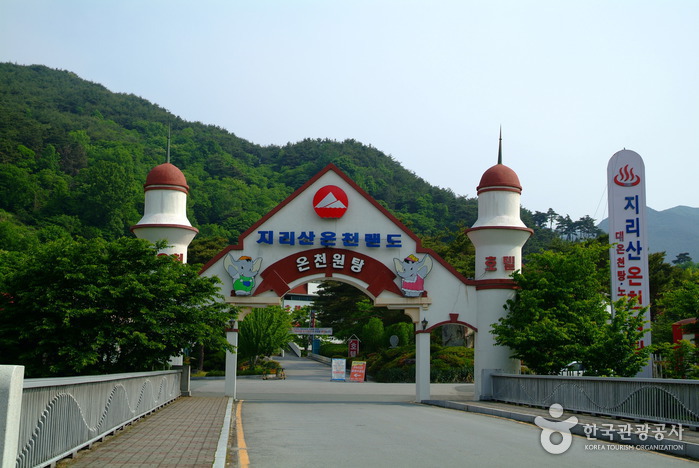
전라남도 구례군 산동면에 위치한 ‘지리산온천랜드’는 거대한 노천온천을 끼고 있다. 1995년 게르마늄 온천수와 광천수를 이용해 만여평 규모로 형성된 이 곳은 숙박이 가능한 온천관광호텔이다. 지리산온천랜드는 동양 최대 규모인 4천여 평의 부지에 테마파크형 노천온천 시설을 갖췄으며, 단 1%의 화학첨가물도 섞지 않은 100% 천연게르마늄 온천수를 사용한다. 온천수는 각종 성인병을 예방하고 신진대사를 원활하게 하여 심신을 편안하고 맑게 해 줄 뿐만 아니라 면역력 또한 증강한다.
优先展示路线结束后方便休息的住宿
注册成为会员,让更多人认识你的频道。
(成为会员后,在“我的页面”中设置 Instagram、YouTube、博客链接,我们会在你发表的每条评论旁一起展示。)
““住在弘大附近,晚上去了一圈咖啡馆,城市夜景和氛围都太完美了。””
以访客身份发表的评论,不会显示任何社交账号链接或个人资料卡片
分享一条关于这个地点的小贴士吧。
或者以访客身份快速留下一个评论。
请登录后再上传照片。
还没有任何评论,快来写下你的第一条感受吧!