
休息与悠闲,带有历史的休闲旅行 , ) in 江原特别自治道 高城郡 · schedule 其他 · distance 30km · 2 stops · highlights Hanui Lavender Farm, Geonbongsa Temple
由高城郡运营的珍富岭美术馆位于海拔529米的珍富岭顶峰,是韩国海拔最高的美术馆。这里可以一览东海的秀丽景色。
这条路线是 2 天行程示例。你可以直接保存,或扩展为 AI 行程。
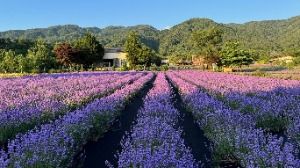
Hanui Lavender Farm is located in a small mountain village at the foot of Geumgangsan in Goseong-gun, Gangwon-do. Every June, the hills turn purple and the scent of lavender fills the village. Lavender, poppies, and rye fields harmonize with the surrounding scenery, while a vintage garden and a metasequoia forest create an exotic spectacle that captivates visitors. Known as the 'Lavender Evangelist,' CEO Ha Deokho planted and cultivated lavender on about 33,000㎡ of land starting in 2006, making this farm a product of his passion. Previously running a herb shop in Uiwang-si, Gyeonggi-do, Ha settled here to grow lavender as a raw material for herb products. The warm climate of Goseong is considered the most suitable in Korea for cultivating lavender.
Geonbongsa Temple in Geumgangsan is an ancient temple located on the southeastern slope of Gamrobong, where the Geumgangsan mountain range begins, enshrining the authentic tooth relic of Sakyamuni. It was once a large-scale temple with 3,183 rooms, but all except the Bulimun gate were destroyed during the Korean War. Restoration work began in 1994 and has led to the current appearance. It is a patriotic temple where monks organized warrior monks during the Imjin War and was a center for anti-Japanese independence movements during the Japanese colonial period. It is said that in the 7th year of King Beopheung of Silla (520), the monk Ado first built a temple here under the name Wongaksa. In the 17th year of King Gyeongdeok of Silla (758), the monk Baljing rebuilt the temple and held a 10,000-day chanting ceremony, which became the origin of Korea’s yeombulmanilhoe (a Buddhist ceremony praying for rebirth in the Pure Land by chanting for ten thousand days). Later, in the 7th year of King Gongmin of Goryeo (1358), monk Naong changed the temple’s name to the current one. In the 2nd year of King Sejo of Joseon (1456), the king visited and made it a royal ancestral shrine praying for the safety of the royal family, building Eosilgak to enshrine memorial tablets of successive kings, making it a grand temple. In the 15th year of King Gojong of Joseon (1878), a fire burned it down completely, and it was rebuilt the following year. In the 10th year of Gwangmu of the Korean Empire (1906), Bongmyeong School was established for enlightenment and new knowledge education, becoming a center of education in the Gwandong region but was forcibly closed by the Japanese. By 1911, it had regained scale as one of the 31 main temples presiding over nine branch temples. During fierce battles lasting about two years around Goseong in the Korean War, all buildings except the Bulimun gate, built in 1920, were destroyed, leaving it in ruins. After the armistice, the Geonbongsa site was located north of the civilian control line and became accessible to civilians from 1989.
注册成为会员,让更多人认识你的频道。
(成为会员后,在“我的页面”中设置 Instagram、YouTube、博客链接,我们会在你发表的每条评论旁一起展示。)
““住在弘大附近,晚上去了一圈咖啡馆,城市夜景和氛围都太完美了。””
以访客身份发表的评论,不会显示任何社交账号链接或个人资料卡片
分享一条关于这个地点的小贴士吧。
或者以访客身份快速留下一个评论。
请登录后再上传照片。
还没有任何评论,快来写下你的第一条感受吧!


