承载麻风病患者悲伤的岛屿,所录岛 in 全罗南道 高兴根 · schedule 其他 · distance 약 27km · 3 stops · highlights Geumtapsa Temple, Sorokdo, Geogeumdo

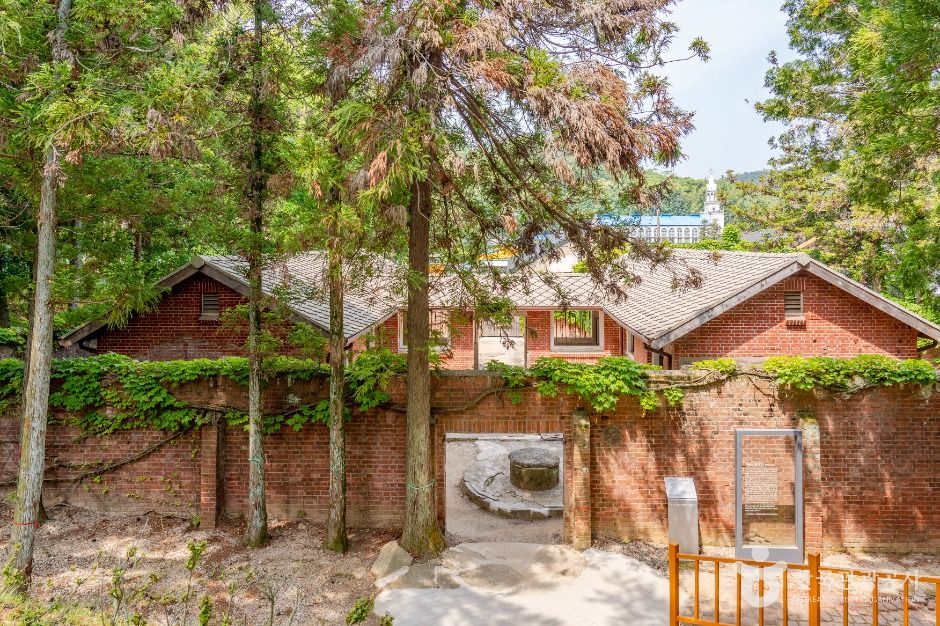
所录岛因地形像幼鹿而得名,是一座承载着强制劳役和暴力留下的苦难与痛苦悲伤历史的岛屿。日据时期,麻风病患者被强制收容于此,岛上保留了当时的禁闭室和验尸室,以及万灵堂、粮仓、神社、灯塔、绿山小学教师楼和院长官舍等旧貌建筑。除慈惠医院本馆外,所录岛上的旧建筑均被指定为登记文化财,参观时令人感到心情沉重。
这条路线是单日行程示例。你可以直接保存,或扩展为 AI 行程。
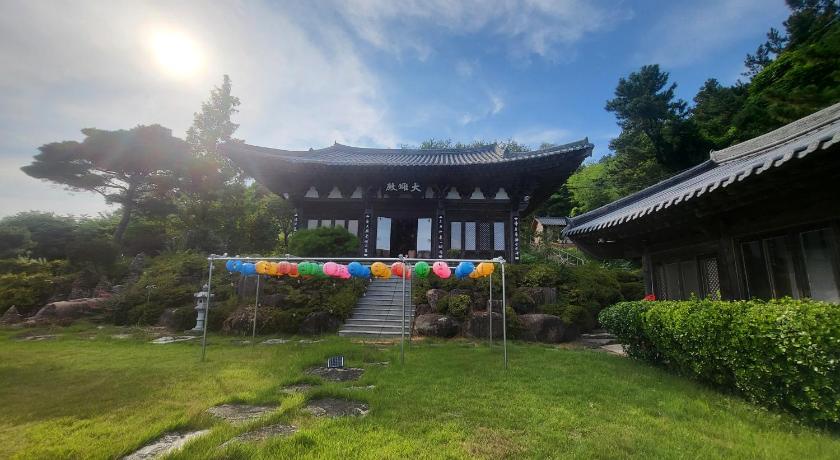
Geumtapsa Temple is a temple located midway up Cheondeungsan Mountain in Podu-myeon, near Goheung-eup. It is said to have been founded by Monk Wonhyo, although there is no definite evidence. The temple's name, Geumtapsa, refers to a stupa built by King Ayuk of India. It was burned during the Japanese invasions of 1592–1598 but was rebuilt in 1603 by Monks Gung-hyeon and Ok-sun. However, in the 18th year of King Sukjong's reign (1692), it burned down again, leaving only the Geungnakjeon Hall. Existing buildings include Geungnakjeon, Myeongbujeon, Samseonggak, Beomjonggak, and the monks' quarters, and it houses the valuable Gwaebultang (a large Buddhist painting). The dense Bija forest surrounding the temple is a natural monument, with abundant Bija trees growing both around Geumtapsa and its hermitages, creating a magnificent view.
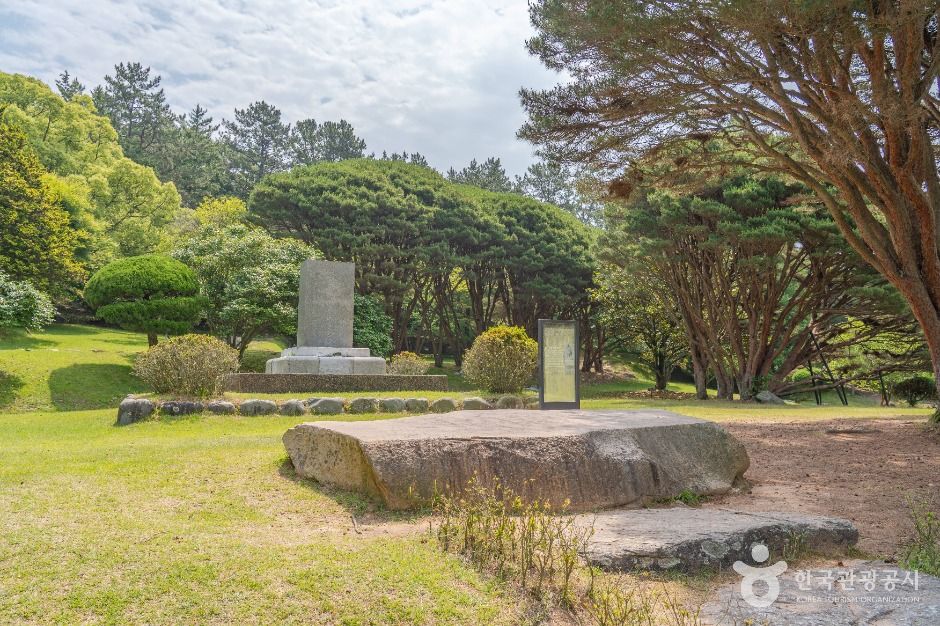
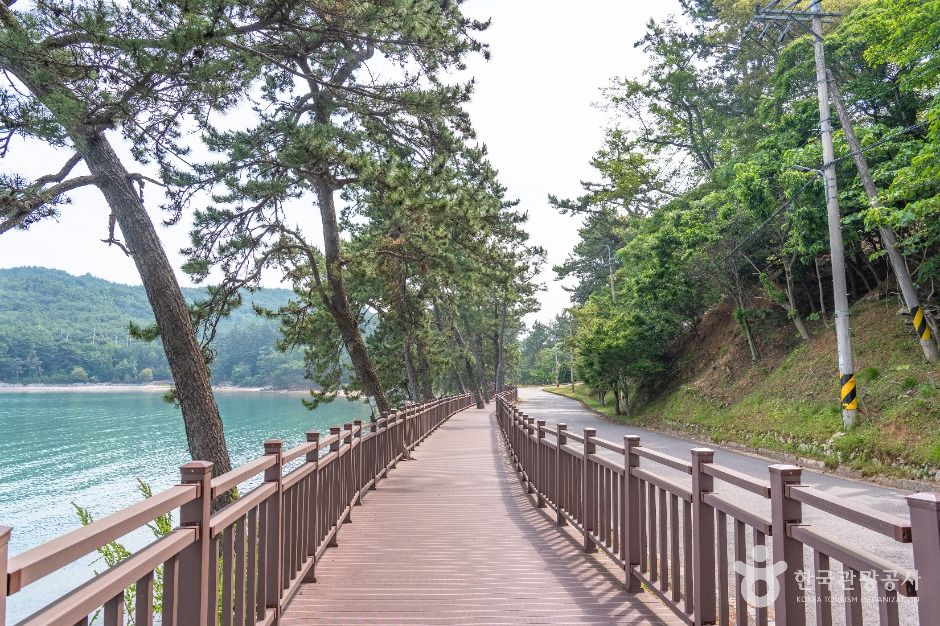
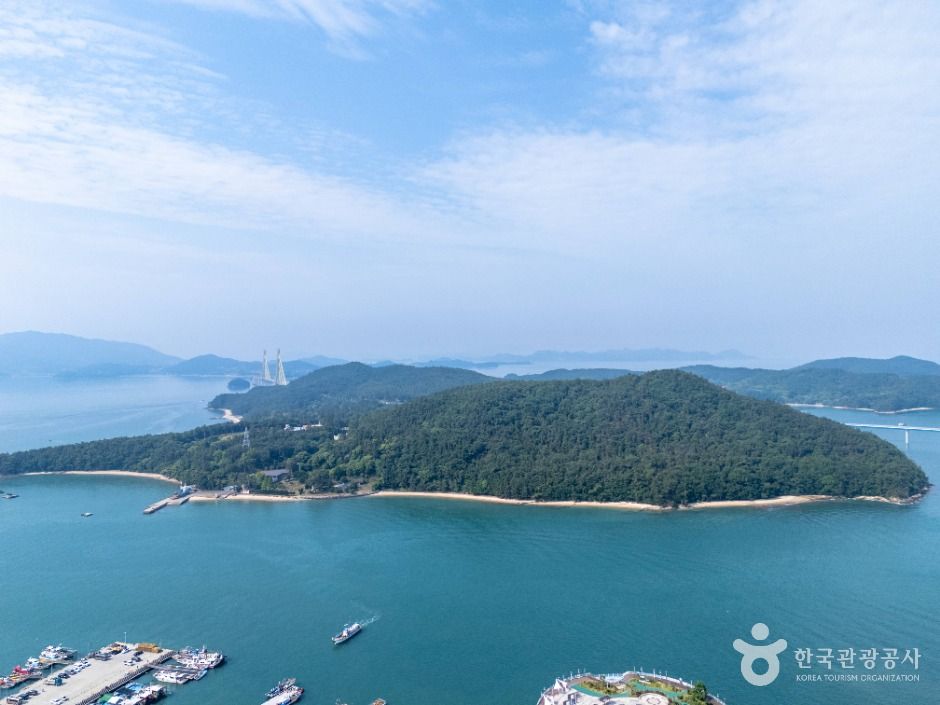
Sorokdo is located less than 1 km from Nokdong Port at the tip of the Goheung Peninsula in Jeonnam, and is called Sorokdo because the shape of the island resembles a young deer. This island is famous for housing the National Sorokdo Hospital for Hansen's disease patients. Although it is an island imbued with the sorrows and joys of former Hansen's disease patients, currently about 700 patients nurture love and hope overcoming their hardships. The island covers an area of only 4.42 km² but is emerging as a new tourist attraction in Goheung-gun due to its clean natural environment, coastal scenery, and historical monuments. From the dockside at Nokdong Port across the Goheung Peninsula, the beautiful small island resembling a deer, Sorokdo, can be seen about 600 m ahead. The Sorok Bridge, opened in 2009, allows access to Sorokdo via National Road 27, making visits more convenient and increasing tourists. The National Sorokdo Hospital began with the Sorokdo Jaheuiwon, established in 1916, which was then the only specialized hospital for Hansen's disease in Joseon. The Central Park was created over 3 years and 4 months starting in December 1936 by forcibly mobilizing over 60,000 patients to form an area of 19,834.8 m² (6,000 pyeong). Even now, entering the park, there are various shaped trees grown by patients, and the whole area is well maintained. Throughout the park, historical monuments preserving the pain of the patients are well preserved. At the park entrance, there are confinement and autopsy rooms from the Japanese colonial period where the hospital director illegally detained Hansen's disease patients and forcibly performed vasectomies on release day without exception. In front of the autopsy room, a poignant poem by a patient who was forcibly vasectomized at age 25 remains, touching the hearts of visitors. There is also a life data center exhibiting various materials showing the history of Sorokdo Hospital and the daily lives of patients. From Nokdong Port, you can take a tour boat to enjoy the refreshing sea breeze and the spectacular scenery of the many bizarre rocks such as Hwalgae Rock and Turtle Rock in the Dadohae Archipelago. Nearby Narodo Beach, with its gentle coastline and shallow waters, is popular as a family vacation spot. About 50 minutes by car from Nokdong is Pallyong Mountain Natural Recreation Forest, where visitors can enjoy mountains, valleys, and spectacular sunrises, as well as stay in mountain huts inside the forest. Within the park, there are monuments reflecting the patients' emotions and philanthropy, such as a barley flute monument dedicated to the Hansen's disease poet Han Haun, a plaque for Director Hanai Zenkichi, a Japanese caretaker revered as Sorokdo's Schweitzer for his devoted care, and the Gu-ra Tower engraved with 'Hansen's disease is curable.' The island also features Sorokdo Beach, where dense pine forests and white sandy beaches are harmoniously blended.
Geogeumdo is an island located in the sea south of Doyang-eup on the Goheung Peninsula, positioned just below Sorokdo. During the Joseon Dynasty, it was called Jeolido (折爾島) and was one of the horse ranches under Doyang牧장. Later, it was incorporated into Gangjin-gun, and in 1897 it belonged to Geumsan-myeon, Dolsan-gun; during the 1914 administrative reorganization, it became part of Geumsan-myeon, Goheung-gun. There are records that it was also called Geoeokgeumdo due to having large gold deposits. The highest point is Jeokdaebong, with many mountains around 400m high, but the west and north sides are gentle hilly terrain. The coast is mostly sandy, but the protruding cape area forms a rocky coast with well-developed marine erosion cliffs.
优先展示路线结束后方便休息的住宿
注册成为会员,让更多人认识你的频道。
(成为会员后,在“我的页面”中设置 Instagram、YouTube、博客链接,我们会在你发表的每条评论旁一起展示。)
““住在弘大附近,晚上去了一圈咖啡馆,城市夜景和氛围都太完美了。””
以访客身份发表的评论,不会显示任何社交账号链接或个人资料卡片
分享一条关于这个地点的小贴士吧。
或者以访客身份快速留下一个评论。
请登录后再上传照片。
还没有任何评论,快来写下你的第一条感受吧!