
在鸟岭山麓体验传统韩纸 in 忠清北道 戈山县 · schedule 其他 · distance 9km · 4 stops · highlights Goesan Hanji Experience Museum, Wonpung-ri Seated Rock-Carved Buddha Statues…
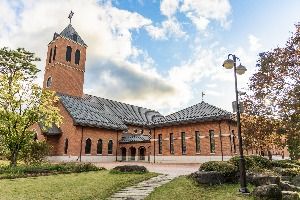
槐山县延风面以鸟岭山为界,与庆北文庆接壤。这里曾是朝鲜时代丹员金弘道担任县令的地方。新风传统韩纸村拥有适合生长制作韩纸原料的纸桑树的环境,可以体验传统韩纸制作。行程还包括参观延风里摩崖佛、水玉瀑布和鸟岭山自然休养林等鸟岭山麓的名胜。
这条路线是单日行程示例。你可以直接保存,或扩展为 AI 行程。
Our ancestors have made paper using various raw materials since ancient times. Representative materials include the bark of the dak tree, bamboo, rice straw, barley straw, and oats, producing papers such as maji, anpiji, and myeonji, each made using methods suited to the characteristics of the raw material. Korean paper is distinguished by primarily using the bark of the dak tree as a raw material. During the off-season of farming, from November to December, one-year-old dak tree branches are harvested and processed through boiling - peeling the bark - drying - soaking to soften the white bark - re-boiling the sufficiently soaked white bark - bleaching - refining fibers - making dak paste - and papermaking to produce hanji. Sinpung Hanji uses purely domestic dak tree bark to produce hanji. To cherish traditional values, the museum operates hands-on classes such as traditional hanji papermaking, wildflower paper making, hanji wish-making, hanji cup coaster making, wildflower paper making experience, and tearing hanji for decoration. Visitors can experience the unique beauty of Korean tradition by visiting with a reservation. The museum, managed by intangible cultural heritage master An Chi-yong, the only hanji museum in the world, displays a thousand-year history of hanji, hanji production tools, and related artifacts. Nearby pottery workshops also allow the purchase of ceramics and accessories.
The Wonpung-ri Ma-ae Buddha Statues are rock carvings created by hollowing out a large 12-meter-high rock and placing two Buddha statues side by side, which is a rare example in Korea. The broad yet strong faces with thin, long eyes and broad mouths appear mostly flat without much volume, but a smile spreads across the faces, giving a firm yet consistently compassionate feeling. The figures have straight shoulders and flat chests, with little body curvature and a formalized style. The robes cover both shoulders, and the folds of the robes are represented with blunt lines in a stylized manner. On the halo symbolizing the light emanating from the bodies, a small Buddha is engraved, but finer details are worn away and hard to discern. Other examples of two Buddhas carved side by side include the Jukryeong Ma-ae Buddha and bronze seated Buddha statues excavated from Daejeon Temple Site, which are believed to reflect the story of Prabhutaratna and Shakyamuni Buddhas from the Lotus Sutra. According to legend, the statues were either created by the high monk Yeosangjosa of Beomeosa Temple in the late Silla period or by Naong Daesa in the Goryeo period, but they are estimated to be works from the 12th century during the mid-Goryeo period.
Suokjeong Tourist Site is a tourist destination embracing the natural scenery of Suok Waterfall and Yeonpung Saejae, surrounded by famous mountains such as Joryeongsan, Mapaebong, and Sinseonbong. It is home to Yeonpung Holy Ground, Joryeongsan Recreational Forest, Ocheon Bicycle Path, and Saejae Bicycle Path, attracting many visitors year-round. Located near a reservoir, it features Yeonpung Saejae Waterside Ecological Park and an outdoor water playground. There are deck roads, observatories, and waterside walking trails, with nighttime scenic lighting installed for evening strolls. Suok Waterfall flows down from Joryeong's 3rd Gate towards Sojoryeong, beside which stands the pavilion called Suokjeong. From Suokjeong, it is possible to walk to Mungyeong Saejae 3rd Gate, with a gentle slope and scenic views all the way to Mungyeong 1st Gate. In summer, the outdoor water playground at Suokjeong operates using water from Joryeongsan.
This recreation forest is located at the foothills of Joryeongsan, which stands 1,025m above sea level on the border of Chungcheongbuk-do and Gyeongsangbuk-do. The forest is densely populated with colonies of old pines and oaks, as well as various rare trees, preserved in their natural state. Spectacular rocky formations connect Sinseonbong Peak (967m) and Mayeokbong Peak (927m), and the Suok Waterfall cascades down a 15m cliff of dramatic rock faces. There are several hiking trails of varying lengths leading up to Joryeongsan. Facilities in the recreation forest include forest houses, a forest bath, gazebos, an outdoor stage, playgrounds, and forest playgrounds, with a water play area open in July and August. Additionally, there are rope play facilities, a sand play area, hammocks, and swings. The Baekdudaegan Ecological Education Center below the playground offers education and exhibitions on forests, and free woodcraft experiences. Nearby tourist attractions include Suanbo Hot Springs, Mungyeong Saejae Provincial Park, Joryeong Samgwanmun built to block Japanese invaders during the Imjin War, Mayeokbong, Suok Waterfall, Mireuk Temple Site, and Songgye Valley.
优先展示路线结束后方便休息的住宿
注册成为会员,让更多人认识你的频道。
(成为会员后,在“我的页面”中设置 Instagram、YouTube、博客链接,我们会在你发表的每条评论旁一起展示。)
““住在弘大附近,晚上去了一圈咖啡馆,城市夜景和氛围都太完美了。””
以访客身份发表的评论,不会显示任何社交账号链接或个人资料卡片
分享一条关于这个地点的小贴士吧。
或者以访客身份快速留下一个评论。
请登录后再上传照片。
还没有任何评论,快来写下你的第一条感受吧!


