不畏烈日的挖蛤蜊沉浸体验 in 全北特别自治道 高昌县 · schedule 其他 · distance 28.8km · 4 stops · highlights Seonunsa Temple, 고창고인돌박물관, 고창판소리박물관

高敞河田潮间带村以国内最大的蛤蜊生产地闻名,蛤蜊养殖场广阔。这里的潮间带体验场备有充足的挖蛤蜊耙和适合潮间带穿着的长靴,还设有更衣室和淋浴设施。连接拖拉机的潮间带巴士是体验潮间带的重要帮手。对儿童来说,潮间带的一切都是玩具,跌入潮间带水坑和玩弄泥土都令人愉快。
这条路线是单日行程示例。你可以直接保存,或扩展为 AI 行程。
Seonunsa Temple is the head temple of the 24th district of the Jogye Order of Korean Buddhism, located on Dosolsan (兜率山) in Asan-myeon, Gochang-gun, Jeonbukteukbyeoljachi-do. Dosolsan is also called Seonunsan (禪雲山), and during the late Joseon period when Seonunsa flourished, 89 hermitages and 189 monk lodgings (료사, 寮舍) were scattered throughout the mountain, creating a magnificent Buddhist land. Along with Geumsansa Temple in Gimje, it is one of the two major head temples in Jeollabuk-do, with a long history, outstanding natural scenery, and valuable Buddhist cultural assets, attracting continuous worship and tourism all year round. The founding of Seonunsa has two legends: one that it was founded by King Jinheung of Silla and another that the great monk Geomdan (檢旦, 黔丹) founded it in the 24th year of King Wideok of Baekje (577). It is said that King Jinheung of Silla (540–576) relinquished the throne in his later years and stayed one night in a cave on Dosolsan, where he dreamt that the Maitreya triad statues split through a rock, inspiring him greatly to establish Joong-aesa Temple, the origin of this temple. However, since this area was Baekje territory fiercely contested with Silla at that time, it is unlikely that the Silla king founded this temple here. Therefore, considering the historical and geographical context, the founding by Monk Geomdan is accepted as the established theory. Various legends related to Monk Geomdan's founding are told: originally, the site of Seonunsa was a large pond inhabited by a dragon, and when Geomdan drove the dragon away and started filling the pond with stones, an epidemic of eye disease severely affected the village. However, when villagers poured a kiln of charcoal into the pond, the eye disease seemed to be cured, leading villagers to bring charcoal and stones, quickly filling the pond and later building Seonunsa on the site. Monk Geomdan named the temple 'Seonun (禪雲),' meaning 'dwelling in the cloud (雲), the mysterious boundary of wisdom, refining and attaining the state of meditation (禪).' Currently, Seonunsa houses a total of 25 cultural properties including 8 treasures, 3 natural monuments, 11 tangible cultural properties of Jeonbukteukbyeoljachi-do, and 3 cultural heritage materials of Jeonbukteukbyeoljachi-do. Especially, behind the Main Buddha Hall (Daeungjeon), a natural monument-designated colony of camellia trees about 500 years old and approximately 6 meters tall on average forms a spectacular flower screen in full bloom in spring. To commemorate Seonunsan's camellia forest, the Camellia Art Festival is held annually in mid-April.
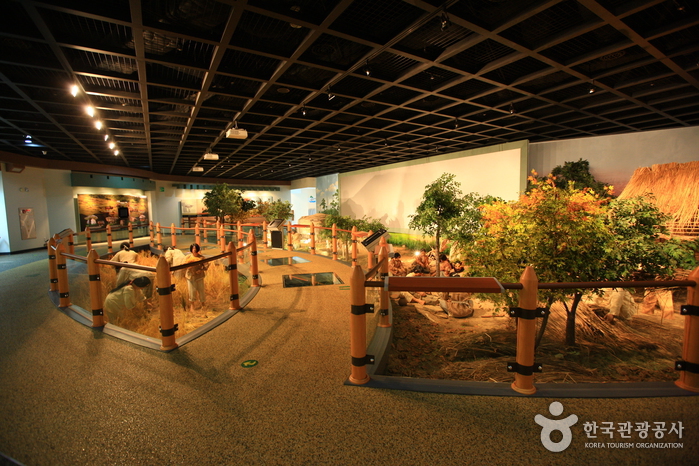
고창고인돌박물관은 청동기시대의 각종 유물 및 생활상과 세계의 고인돌문화를 한눈에 살펴볼 수 있다. 상설전시관은 전체 전시공간에 대한 관람정보와 상징전시 공간으로 구성하였다. 주제전시실의 전시내용을 압축해서 상징전시로 조성하였다. 전시관3층에 마련된 체험공간에서는 불피우기, 암각화 그려보기, 고인돌만들기 등을 직접 체험해 볼 수 있다. 전시관 외부의 넓은 야외공간은 고창 청동기인의 생활상을 체험해 볼 수 있는 테마공간으로 조성하였다. 선사인의 생활모습을 보여주는 선사마을과 고인돌의 덮개돌을 운반해 볼 수 있는 고인돌 끌기 체험마당과 대표적인 묘제 양식을 확인할 수 있는 전시마당으로 구성되어 다양한 볼거리를 제공한다.
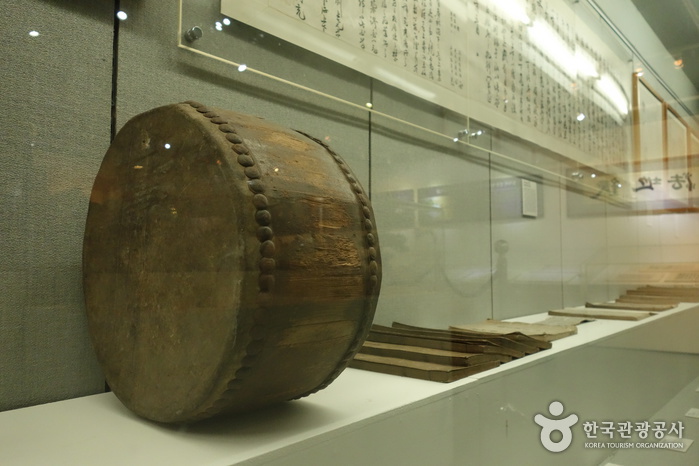
고창판소리박물관은 판소리의 이론가이자 개작자, 후원가였던 동리 신재효 및 진채선, 김소희 등 다수의 명창을 기념하고 판소리 전통을 계승 발전시키기 위하여 동리 신재효 선생의 고택 자리에 설립되었다. 고택은 현재 사랑채만 복원되어 남아 있으며 바로 옆에는 동리 국악당이 있다. 판소리 박물관은 이와 같은 판소리의 유형,무형의 자료를 수집.보존.조사.연구.전시.해석함으로써 일반 대중에게 수준높은 판소리 예술의 재교육과 감상의 기회를 제공하고 마침내 판소리 성지화를 꾀하기 위하여 설립되었다.
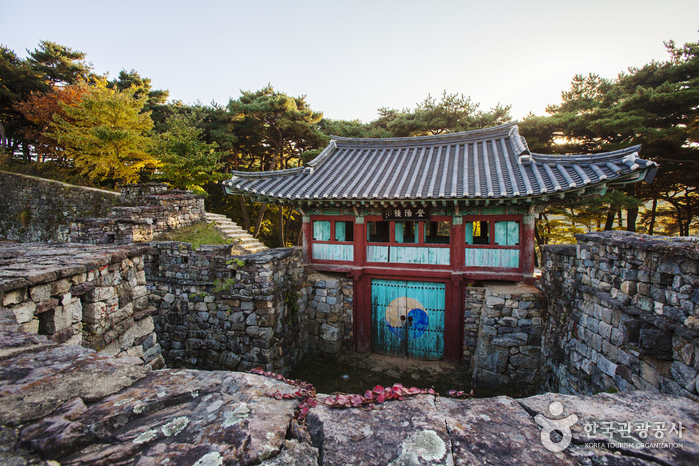
There are various theories about the construction date of Gochang Eupseong Fortress, but inscriptions found during repair of the government office building, historical documents, and characters engraved on fortress stones indicate construction was divided by section and shared among 19 counties and prefectures of Jeolla Left and Right provinces from the 32nd year of King Sejong of Joseon (1450) to the 1st year of Danjong (1453). Among the inscriptions are those of Mujang Simeon and Mujang Jong, and on the eastern gate bastion wall, the inscription "Gye-yu-so Chuk Gam Dong Song Ji Min (癸酉所築監董宋芝玟)" remains, which can be interpreted as showing that the fortress was built in Gye-yu year and that Mujang-hyeon participated in construction. Records about Gochang Eupseong first appear in Sinjeung Dongguk Yeoji Seungram (新增東國輿地勝覽) under Gochang Hyeon fortress section. Though published in the 25th year of King Jungjong (1530), the name "Sinjeung" only appears in the appendix, so the fortress construction date compresses to before the 17th year of King Seongjong (1484) based on the second revision by Kim Jong-jik and others mandated by the king. Mujang-hyeon was formed in the 17th year of King Taejong (1417) by merging Musong-hyeon and Jangsa-hyeon, so the Gye-yu year of construction must be after 1417, confirming Gochang Eupseong was built in 1453, a Gye-yu year. According to legend, stepping on stones of Gochang Eupseong while wearing a stone on your head grants longevity without illness and arrival at the Gate of Paradise after death, which leads to an annual fortress-walking event. The ritual is believed effective only during the leap month when gates to the afterlife open, with the leap month of March regarded as best. Especially significant are the dates of the 16th, 17th, and 20th days, believed to be when the gates open. Walking one lap cures leg ailments, two laps bring health and longevity, and three laps ensure ascension to paradise. Participants must carry a palm-sized stone on their heads and complete three laps, then leave the stones in designated areas. Emphasis on the leap March likely serves to firm the fortress after winter swelling, and carrying stones adds weight to strengthen the structure.
优先展示路线结束后方便休息的住宿
注册成为会员,让更多人认识你的频道。
(成为会员后,在“我的页面”中设置 Instagram、YouTube、博客链接,我们会在你发表的每条评论旁一起展示。)
““住在弘大附近,晚上去了一圈咖啡馆,城市夜景和氛围都太完美了。””
以访客身份发表的评论,不会显示任何社交账号链接或个人资料卡片
分享一条关于这个地点的小贴士吧。
或者以访客身份快速留下一个评论。
请登录后再上传照片。
还没有任何评论,快来写下你的第一条感受吧!