城市中心的休憩风景 in 大邱广域市 郑九 · schedule 其他 · distance 10km · 5 stops · highlights Isanghwa Old House, Daegu Yakryeongsi Oriental Medicine Museum, Daegu Jin Golmok
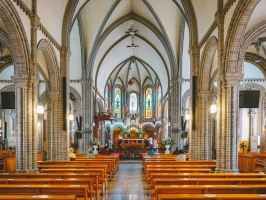
大邱的近代街巷保留了100年前的故事。青罗山丘下保存着100年前传教士的住宅,计算圣堂、李相和故宅及真巷依稀相连。充满生活活力的市场和城市边缘的金光锡街,昔日歌手的哀婉歌曲抚慰着旅人的疲惫心灵。
这条路线是 2 天行程示例。你可以直接保存,或扩展为 AI 行程。
Isanghwa Old House, located in Jung-gu, Daegu, is the former residence of the independence activist and poet Isanghwa, who resisted Japanese rule. At this house, he mainly worked on translating works such as Chunhyangjeon into English and devoted himself to reading and research. To honor his achievements, a citizen movement to preserve the house began in 1999. The Military Mutual Aid Association purchased and renovated the house while constructing nearby mixed-use apartments, and the Citizen Movement Headquarters for Preservation of the Old House installed exhibition items within the house using raised funds. Isanghwa Old House commemorates the spirit of the anti-Japanese nationalist poet Isanghwa and serves as an educational site to inherit his noble patriotic spirit and literary accomplishments to future generations.
Daegu Yakryeongsi Oriental Medicine Museum is an exhibition and cultural space where you can see and experience the history of Yakryeongsi, a 350-year-old tradition, and the origin of Yakjeon Alley at a glance. To preserve, inherit, and develop the traditional Oriental medicine culture of Daegu Yakryeongsi and to solidify its status as the birthplace of herbal medicine distribution, a permanent herbal medicine exhibition hall was established on September 25, 1985. The museum introduces the origin and development of Yakryeongsi through graphics and animations and displays over 300 items related to Oriental medicine, including rare herbal medicines, Donguibogam and other Oriental medicine texts, and herbal medicine tools such as yakjaktu. It is a space where visitors can directly see, feel, and experience the lives and atmosphere of the old Yakryeongsi people, blending various exhibitions, education, culture, and tourism.
Jin Golmok is an alley formed around the Daegu Jongno area, stretching from Jungang-daero to Hongbaegwon, where you can encounter old history and culture in the city center. Jin Golmok originates from the Gyeongsang dialect term for long alleys, 'jilda,' meaning long. It extends along the right side about 50 meters into Jongno after passing the intersection of the old Daenam Hospital, where the south gate of Daegu Eupseong was located. Jin Golmok was a clan village of the Dalseong Seo family, local powers in Daegu from the Gyeongsang Gamyeong era until before liberation. By passing through Jin Golmok, one could reach the Gamyeong and Jungyeong buildings without going through Jongno, which was a military and administrative road at that time. From the late 19th century, overseas Chinese began settling here, and it became the site of Daegu's first furniture stores. Currently, centered around Namseong-ro intersection, shops selling traditional items such as traditional tea, tea utensils, herbal medicine, and antiques are located here. It corresponds to Course 2 of the Daegu Jung-gu Alley Tour, the Modern Culture Alley, where traditional culture breathes alive. Additionally, stylish and uniquely interior-designed restaurants and cafes have been established along both sides of Jin Golmok.
Seomun Market, formerly known as Daegu Big Market, was relocated to its current location by reclaiming Cheonhwangdangji in the 1920s and has a long history. During the Joseon Dynasty, the three major markets were said to be in Daegu, Pyongyang, and Ganggyeong. Named Seomun Market because it was located on the west side of the Daegu fortress, the original market was about 300 meters from the fortress, around the current Sijangbuk-ro Bonjeon Coffee Shop area and the motorcycle alley nearby, opening on the 2nd and 7th of every month. The names Hongdukkye Jeon and Chicken Jeon alleys remain to this day. The market is large, dominated by textile-related items such as silk, cloth, knitwear, crafts, men’s and women’s clothing, dishes, and dried seafood. It is known for its warm hospitality and is conveniently equipped with heating, cooling facilities, and a large parking lot.
Kim Gwangseok Street is a mural street themed around the life and music of the late Kim Gwangseok, located in the alleys near Bangcheon Market in Daebong-dong where he lived. It was created starting November 2010 as part of the 'Bangcheon Market Munjeonseongsi Project.' Jung-gu Office and 11 artist teams participated. Along the 350m-long wall, murals depict Kim Gwangseok sculptures, him serving noodles at a street food stall, and him looking out to the sea, along with various images and lyrics of his songs. Every autumn, the 'Kim Gwangseok Singing Contest' is held around Bangcheon Market and Dongseong-ro to commemorate him. ◎ Travel info to experience the charm of Hallyu – The drama featured Kim Gwangseok Street, a favorite dating spot for Robin and Hana before their breakup. It is a street where visitors can stroll along the alleys next to Bangcheon Market, viewing various murals themed on Kim Gwangseok's life and songs. The alleys have many cafes and restaurants popular on SNS, making it a favorite dating spot for couples.
优先展示路线结束后方便休息的住宿
注册成为会员,让更多人认识你的频道。
(成为会员后,在“我的页面”中设置 Instagram、YouTube、博客链接,我们会在你发表的每条评论旁一起展示。)
““住在弘大附近,晚上去了一圈咖啡馆,城市夜景和氛围都太完美了。””
以访客身份发表的评论,不会显示任何社交账号链接或个人资料卡片
分享一条关于这个地点的小贴士吧。
或者以访客身份快速留下一个评论。
请登录后再上传照片。
还没有任何评论,快来写下你的第一条感受吧!