
彰宁的原始自然与文化遗产的邂逅 in 庆尚南道 昌宁郡 · schedule 其他 · distance 10.9km · 2 stops · highlights Changnyeong Seokbinggo, Changnyeong Jinyangha Clan Old House
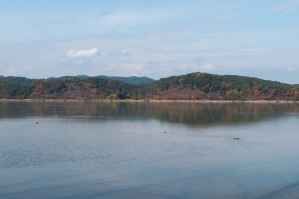
提到彰宁,首先想到的是被称为“活着的自然史博物馆”的乌浦沼泽。这里也是一座“无顶历史博物馆”,从伽倻时代到朝鲜时代的珍贵文化遗产随处可见。游览乌浦沼泽和美丽的文化遗产后,在富谷温泉放松身心,结束彰宁之旅。
这条路线是单日行程示例。你可以直接保存,或扩展为 AI 行程。
Seokbinggo is an ice storage warehouse showcasing the wisdom of ancestors who harvested ice in the cold winter and preserved it for use through the hot summer. According to a stele remaining on the right side of the ice reservoir, inscribed with '숭정기원후재임술이월초일일여사월초십일필,' it was constructed in 1742 by local governor Shin Seo and others. Based on its architectural style and the customs of storing ice, it is presumed to have been built during the Joseon Dynasty. Changnyeong Seokbinggo has almost entirely preserved its earth mound; externally, it looks like a massive ancient burial mound and is constructed north-south at a right angle to the stream flowing behind it. The entrance to the ice chamber is located on the south side, with large rectangular stones laid sideways on both sides to form the ceiling, which includes two ventilation holes connecting to the outside. The walls are made of rough stones but their surfaces have been chiseled flat to form smooth inner walls. This architectural style is identical to representative Seokbinggo such as those in Gyeongju and Andong, though Changnyeong Seokbinggo is somewhat smaller in scale.
This is a house from the Joseon Dynasty, said to have been built by Baekyeon, the 17th ancestor of Ha Byeongsu. There is a handwritten note in Sangdo-ri marking the 25th year of Geonryong, so it is estimated to have been built in 1760 (the 36th year of King Yeongjo's reign). It is a south-facing thatched house reflecting the Joseon-era house structure and folk architectural techniques, and served as the home of the Ha family for several generations. The house is a wooden one-story thatched structure in a line shape, with the first room on the right as the kitchen, followed by the main room, a spacious hall, and a guest room, each comprising one room, forming a four-room house with slight modifications. Behind the kitchen, a half-door was added to create a storage room, and instead of traditional elevated floors for southern houses, the front porch was omitted like a low-style house in a mountain valley. The porch floorboards are flat on top and natural wood underneath; the roof is covered with thatching grass without using nails. The rafters were joined through drilled holes. Unlike modern houses where kitchens are mostly located on the west side, here it is in the east. From the west, the layout is guest room, spacious hall, main room, and kitchen. The roof was woven upside down using a rolling pin without clay. As this is a private residence, visitors must observe the designated visiting hours.
优先展示路线结束后方便休息的住宿
注册成为会员,让更多人认识你的频道。
(成为会员后,在“我的页面”中设置 Instagram、YouTube、博客链接,我们会在你发表的每条评论旁一起展示。)
““住在弘大附近,晚上去了一圈咖啡馆,城市夜景和氛围都太完美了。””
以访客身份发表的评论,不会显示任何社交账号链接或个人资料卡片
分享一条关于这个地点的小贴士吧。
或者以访客身份快速留下一个评论。
请登录后再上传照片。
还没有任何评论,快来写下你的第一条感受吧!


