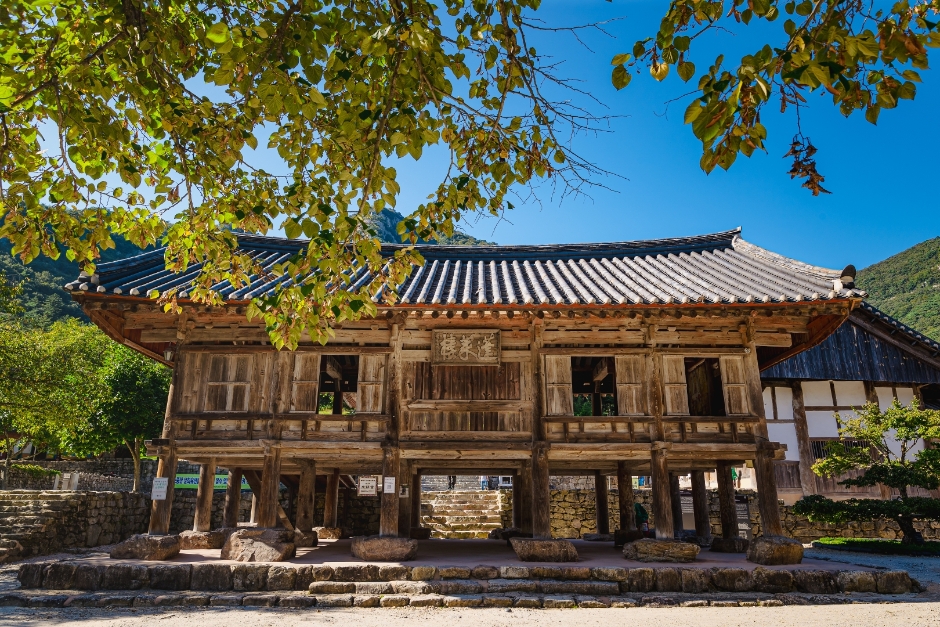
沿着林间小径遇见古色古香的寺庙景致,内小寺与槐岩寺 in 全北特别自治道 布安县 · schedule 其他 · distance 38km · 3 stops · highlights 점심식사(곰소쉼터), Gomso Salt Field, Naesosa Temple

内小寺与槐岩寺是非常相似的寺庙。进入寺庙的入口道路、大雄殿未涂丹青而显得古朴的感觉,以及美丽的花窗格都很相似。然而,作为拥有千年历史的古寺,参观寺庙的感受却截然不同。内小寺的冷杉林小径、祖父母堂、大雄宝殿的花窗格和铜钟,以及槐岩寺的大雄宝殿与乌金岩交织的全景,都是必看的寺庙名胜。
这条路线是单日行程示例。你可以直接保存,或扩展为 AI 行程。
이곳의 젓갈들은 2년 이상 응달에서 곰삭아야 상에 오르는데, 젓갈에 불필요한 양념은 전혀 섞지 않고, 젓갈 고유의 맛을 내는데 주력한다.
Gomso Salt Field, located in Jinseo-ri, Jinseo-myeon, Buan-gun, is one of the few places in Korea producing sun-dried salt. During the Joseon Dynasty, hwaryeom (salt made by boiling seawater) was produced from Julpo Bay to Gomso Bay. The current Gomso Salt Field was established during the late Japanese colonial period but has produced sun-dried salt since liberation. Salt is usually produced from April to October, with May and June being the peak season for production and taste, making it the harvest season for salt workers. The coastal area from Chaeseokgang to Gochang, including Gomso Salt Field, is famous worldwide for its tidal flats, and the mineral-rich seawater of Gomso Bay enriches the flavor of the salt. This place, located deep inland in Julpo Bay, part of the Chilsan Sea known for Yeonggwang Gulbi, has exceptional natural conditions and is famous for salted fermented seafood made with fresh fish caught in front of Gomso salted with sun-dried salt.
Naesosa Temple was established by Hye Guduta (惠丘頭陀) in the 34th year of King Mu of Baekje (633), and its original name was Soraesa. The Daeungbojeon hall is a Buddha hall enshrining Shakyamuni in the center, with Manjushri Bodhisattva and Samantabhadra Bodhisattva on the sides, and is said to have been built when Cheongmin Daesa renovated the temple in the 11th year of King Injo of Joseon (1633). It is three kan wide and three kan deep, with an octagonal paljak roof. The decorative structure supporting the eaves roof is of dapo style, with components layered not only above the columns but also between them, exemplifying mid-Joseon architectural features. The floral wooden lattice (kkotmunsal) of the Daeungbojeon showcases excellent carving skills of the time, and behind the Buddha statue on the rear wall is the largest surviving painting of the White-Robed Avalokitesvara Bodhisattva seated statue in Korea. The signboard of the Daeungbojeon was written by Wongyo Lee Gwangsa (1705–1777). There are subsidiary hermitages such as Jijangam and Cheongryeonam at the entrance. Existing buildings and important cultural properties include the treasure-designated Daeungbojeon, Goryeo bronze bell (treasure), Lotus Sutra folding scripture (treasure), large hanging Buddhist painting (treasure), and Jeollabuk-do designated tangible cultural assets such as the monks' quarters, Seolseondang, and three-story stone pagoda. The Naesosa area is designated as a Jeollabuk-do monument. A 600m fir tree forest path starting from Iljumun Gate is selected as one of the '100 Beautiful Paths' and welcomes tourists with different scenery each season. Daejanggeum filming location (pond) ◎ Travel information to experience the charm of Hallyu - In the drama Daejanggeum, the memorable scene where Jang-geum is throwing stones into the pond and Min Jeong-ho watches is filmed at the pond inside Naesosa Temple grounds. The tranquil temple atmosphere and the beautiful scenery around the pond deepen the drama’s emotional appeal.
优先展示路线结束后方便休息的住宿
注册成为会员,让更多人认识你的频道。
(成为会员后,在“我的页面”中设置 Instagram、YouTube、博客链接,我们会在你发表的每条评论旁一起展示。)
““住在弘大附近,晚上去了一圈咖啡馆,城市夜景和氛围都太完美了。””
以访客身份发表的评论,不会显示任何社交账号链接或个人资料卡片
分享一条关于这个地点的小贴士吧。
或者以访客身份快速留下一个评论。
请登录后再上传照片。
还没有任何评论,快来写下你的第一条感受吧!