漫步于奉化金刚松林间 in 庆尚北道 奉化郡 · schedule 其他 · distance 18.7km · 3 stops · highlights Eokji Chunyang 5-Day Market, Bonghwa Seodong-ri East-West Three-Story Ston…
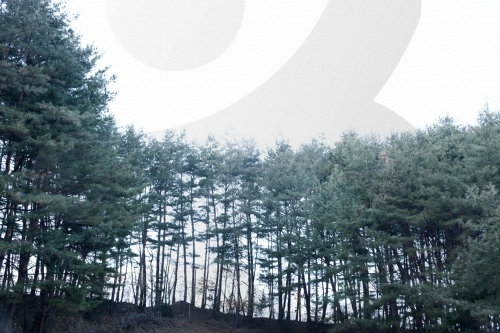
奉化以金刚松闻名。漫步在笔直的金刚松之间,可以感受到身体自然轻松。奉化是一个极其温和而温暖的乡村。这里的春阳庄和古宅体验不可错过。可以漫步于充满情谊的春阳庄和完好保存的士大夫正房。
这条路线是单日行程示例。你可以直接保存,或扩展为 AI 行程。
Located near Bonghwa Station, Eokji Chunyang Market was once the largest traditional market in Bonghwa. It was established in the 1940s centered around the 12-ryeong peddlers and later, in the 1960s-70s, developed into a rice market and a cattle market where 200 to 300 cows were traded daily, becoming the largest traditional market in the area. There is a theory that the market’s name, Eokji Chunyang, comes from forcibly changing the Yeongdong Line route to pass through Chunyang-myeon during its construction in the 1950s. Due to population decline and the entry of large supermarkets, the market shrank, but in 2015 Bonghwa-gun modernized it as a cultural tourism market, adding facilities, night markets, and performances to revitalize the market and attract tourists. On regular days, it is like any traditional market, but on the 4th, 9th, 14th, 19th, 24th, and 29th of each month, the market extends outside Eokji Chunyang Market to the central area of the myeon office. The market features regional specialties directly grown not only from within the county but also from nearby Uljin-gun and Taebaek-si in Gangwon-do. Goods include Chunyang strawberries, native medicinal jujubes, walnuts, apples, forest products, wild pine mushrooms growing under Chunyang trees, medicinal herbs, highland vegetables, as well as daily necessities and food sold by traders from outside, creating a lively and vibrant market scene.
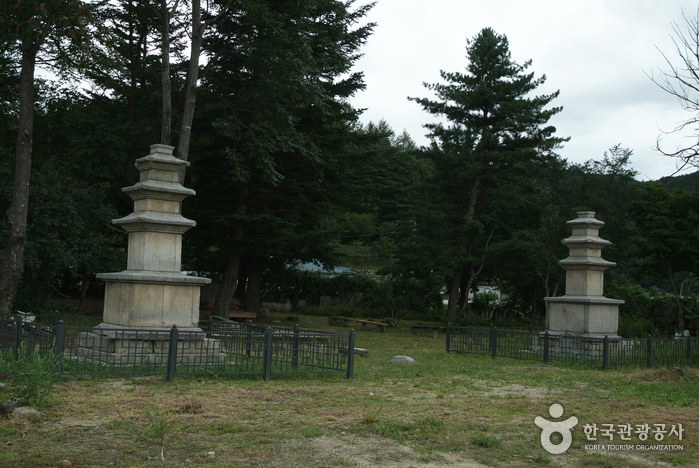
These are two pagodas standing facing each other east and west inside Chunyang Middle School, forming a twin pagoda style. They are of the same scale and are typical Silla-style stone pagodas with identical style and technique. The pagodas are composed of a three-story body on a two-tiered base and are estimated to date back to the 9th century of the Unified Silla period based on their style. The two stone pagodas, the east tower at 3.9m and the west tower at 3.97m, are small but exhibit beautiful proportions and refined sculptural beauty overall. The bases were buried underground and the towers were severely tilted, so they were dismantled and restored in October 1962. During this restoration, a sarira chamber was found in the west tower, and in the east tower, a sarira bottle along with 99 small earthen pagodas [土塔] were discovered. Except for one stone Buddha in front of the pagodas, there are no remains nearby that suggest a temple site, but the place is known as the former site of Namhwa Temple, an old Silla temple. It is said that in the 16th year of King Munmu of Silla (676), Monk Wonhyo established the current Gakhwasa Temple 6km northwest of here, leading to the closure of this temple.
Samijeong Valley, located in Socheon-ri, Beopjeon-myeon, Bonghwa-gun, is one of the few remaining pristine areas in South Korea. It is a Y-shaped valley between Taebaek Mountain and Sobaek Mountain, the sources of the Nakdong River, featuring clear and cool streams, dense pine forests, and unique rock formations. At the entrance of the valley, Okcheon Jo Deok-rin, who served as a Ubujeungji during King Yeongjo's reign in Joseon, built a pavilion in 1737 at this scenic spot, naming it Samijeong, from which the valley also took its name. The Ungokcheon stream winds through magnificent rock formations, creating a picturesque and charming scene. Every summer, many visitors come for vacation, and the Bonghwa County Office deploys safety personnel from early June to late August during the water play season to ensure safety and water quality management.
优先展示路线结束后方便休息的住宿
注册成为会员,让更多人认识你的频道。
(成为会员后,在“我的页面”中设置 Instagram、YouTube、博客链接,我们会在你发表的每条评论旁一起展示。)
““住在弘大附近,晚上去了一圈咖啡馆,城市夜景和氛围都太完美了。””
以访客身份发表的评论,不会显示任何社交账号链接或个人资料卡片
分享一条关于这个地点的小贴士吧。
或者以访客身份快速留下一个评论。
请登录后再上传照片。
还没有任何评论,快来写下你的第一条感受吧!