温和的乡村村庄奉化 in 庆尚北道 奉化郡 · schedule 其他 · distance 42.7km · 5 stops · highlights 가평리 계서당(성이성 생가), Bonghwa Cheongamjeong, 봉화상인회 한약우 식육식당
奉化位于庆北第一的山区,四周被起伏的山丘环绕。这里山色青翠,天空高远。作为典型的乡村村庄,这里适合体验农村生活,最重要的是风景优美。该路线可以充分欣赏奉化的山势和自然环境,非常适合放松身心。
这条路线是单日行程示例。你可以直接保存,或扩展为 AI 行程。
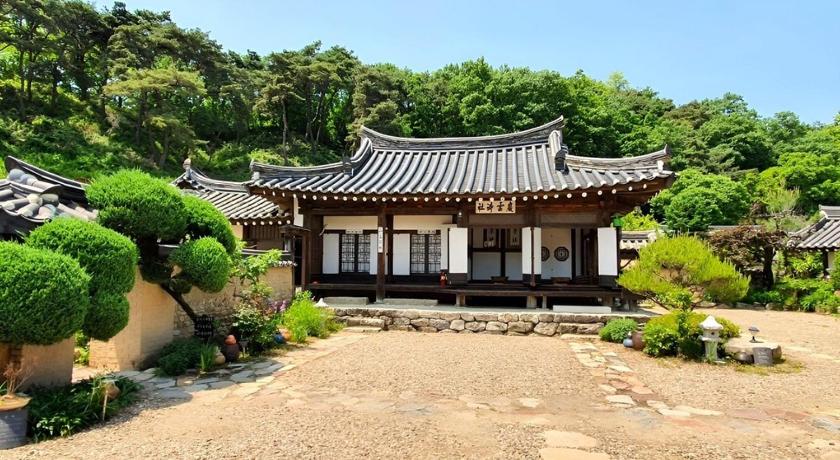
계서당은 조선 중기의 문신인 계서 성이성(1595~1664)선생이 살던 곳이다. 성이성은, 창녕 사람으로 남원 부사를 지낸 부용당 성안의선생의 아들로 인조 5년(1627) 문과에 급제했다. 진주부사등 6개 고을의 수령을 지내고 4번이나 어사로 등용되었으며, 근검과 청빈으로 이름이 높았던 인물이다. 훗날에 부제학으로 추서 받고 청백사로 녹선되었다.
Cheongamjeong is a pavilion built in 1526 (21st year of King Jungjong's reign) by Gwon Beol, a mid-Joseon Dynasty civil official, in Daksil Village (formerly Yugok Village), Bonghwa-eup, Bonghwa-gun, Gyeongsangbuk-do. Cheongamjeong draws water from about 500m upstream of the Sintan and has a pond, a turtle-shaped rock, and a modest stone bridge that enhance the old atmosphere. It is a place with a pond and a garden from the early Joseon period, equipped with a separate annex and surrounded by a square stone wall. A thatched-roof building is attached, and inside the pavilion hangs a signboard inscribed by Heo Mok, reading "Cheongam Suseok (靑巖水石)," preserving the appearance of an old rural pond to the present day. It is a famous scenic spot representing Yugok Village, harmonizing well with the surrounding dense pine trees, beautiful stones, and valleys. On March 28, 1963, it was designated as a historic site and scenic site [Naeseong Yugok Gwonchungjae related sites], later delisted on December 9, 2009, and simultaneously re-designated as a scenic site. Yugok Village was first settled in 1380 by the ancestor of Chungjae Gwon Beol and is a clan village of the Andong Gwon family, with Seokcheon Valley flowing westward.
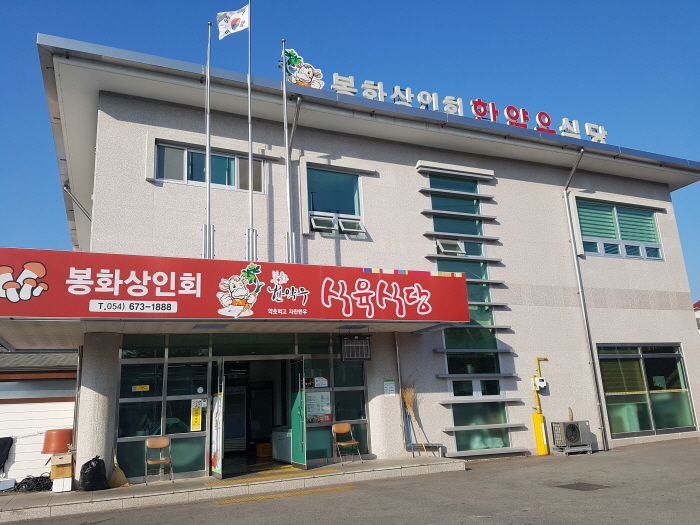
봉화상인회 한약우 식당은 봉화상설상인회에서 협동조합을 구성하여 봉화지역의 약초를 먹고 자란 한우를 판매하는 식당, 식육공간이다
The natural village where Ojeon Mineral Spring is located is called Muljip Village. Ojeon Mineral Spring was discovered by a peddler during the Joseon Dynasty and was selected as the top mineral spring at the national mineral spring contest during the reign of Seongjong, the 9th king of the Joseon Dynasty. It is said that during the 11th king Jungjong's reign, Jusebung, the magistrate of Punggi-gun, often visited this spring, and four praise poems are said to have been passed down. The village where Ojeon Mineral Spring is located was formerly called Aejun, meaning mugwort field. The name originates from the fact that the spring water was effective for skin diseases, and leprosy patients drank and bathed in the mineral water, then used the local mugwort to apply and drink as treatment, curing their illnesses, hence the name Mugwort Field.
Samijeong Valley, located in Socheon-ri, Beopjeon-myeon, Bonghwa-gun, is one of the few remaining pristine areas in South Korea. It is a Y-shaped valley between Taebaek Mountain and Sobaek Mountain, the sources of the Nakdong River, featuring clear and cool streams, dense pine forests, and unique rock formations. At the entrance of the valley, Okcheon Jo Deok-rin, who served as a Ubujeungji during King Yeongjo's reign in Joseon, built a pavilion in 1737 at this scenic spot, naming it Samijeong, from which the valley also took its name. The Ungokcheon stream winds through magnificent rock formations, creating a picturesque and charming scene. Every summer, many visitors come for vacation, and the Bonghwa County Office deploys safety personnel from early June to late August during the water play season to ensure safety and water quality management.
优先展示路线结束后方便休息的住宿
注册成为会员,让更多人认识你的频道。
(成为会员后,在“我的页面”中设置 Instagram、YouTube、博客链接,我们会在你发表的每条评论旁一起展示。)
““住在弘大附近,晚上去了一圈咖啡馆,城市夜景和氛围都太完美了。””
以访客身份发表的评论,不会显示任何社交账号链接或个人资料卡片
分享一条关于这个地点的小贴士吧。
或者以访客身份快速留下一个评论。
请登录后再上传照片。
还没有任何评论,快来写下你的第一条感受吧!