千年の光を宿した美しく温かい土地、栄光へ! in 全羅南道 栄光郡 · schedule 1泊2日 · distance 47.7km · 4 stops · highlights Won Buddhism Yeongsan Sacred Site, Baekje Buddhism First Arri…

心のもやもやを晴らす白水海岸道路から始まるこの旅行コースでは、栄光の静かな土地が抱く自然と、栄光の深い苦悩を込めた宗教、栄光の熱い心が築いた文化に触れることができる。最後に七山タワーでこれらすべてを振り返り、心の奥深くに栄光を刻んでみてはいかがだろうか。
このコースは2日間の旅程サンプルです。そのまま保存するか、AI日程に拡張できます。
Won Buddhism is a religion founded by Sot'aesan Park Jungbin, who was born in Yeongchon Village, Gillyong-ri, Baeksu-eup, Yeonggwang-gun, and it is said to have about 500 churches and 1 million believers worldwide. The sacred sites in Won Buddhism include this Yeongsan Sacred Site in Yeonggwang where Great Master Sot'aesan was born and founded the religion, Iksan Sacred Site (Sinryong-dong, Iksan-si) where the teaching activities were conducted, and Byeonsan Sacred Site where the doctrine was drafted and the teaching principles were announced. After Great Master Sot'aesan was born, grew up, and finally greatly enlightened the truth of the universe and life through his spiritual journey, he laid the foundation of the church along with his disciples through the Savings Association, Dialect Construction, and Legal Religious Activities. This refers to the Gillyong-ri area in Baeksu-eup, Yeonggwang-gun. At this founder’s sacred site, there are the master's birthplace, prayer site Sambatjae, Madang Rock, Norumok where enlightenment was attained, Jungwanpyeong Dialect Rice Field made by blocking the sea with disciples, Jaemyeong Rock of Dialect Construction, Guin Prayer Peak, Yeongsanwon, Daegakjeon, Yeongmojeon, Yeongsan Seonhak University, and the Beomhyeondong Lee family shrine, attracting many pilgrims from across the country.
The spread of Buddhism on the Korean Peninsula during the Three Kingdoms Period is clear in Goguryeo (in the 2nd year of King Sosurim under the Jin general Buyeon) and Silla (during King Nulji Maripgan with the monk Mukhoja), with clear routes of transmission and initial preaching sites, but the transmission route and first arrival site of Baekje Buddhism were unclear. It has been orally passed down that the Indian monk Marananta Jonja came to Beopseongpo in Yeonggwang, preached Buddhism, and founded Beopgapsa Temple, marking the start of Baekje Buddhism. In 1998, academic verification by Yeonggwang-gun (Dongguk University) established that Yeonggwang land is the first arrival site of Baekje Buddhism. Beopseongpo Jawoo-du is the place where Indian monk Marananta first set foot in Baekje in A.D. 384, coming via the Eastern Jin dynasty of China, and it is being developed as a tourist attraction to commemorate this. The 'Beop' (法) in Beopseongpo refers to Buddhism, and 'Seong' (聖) refers to the saint Marananta. * Site area - 45,439㎡ (13,745 pyeong)
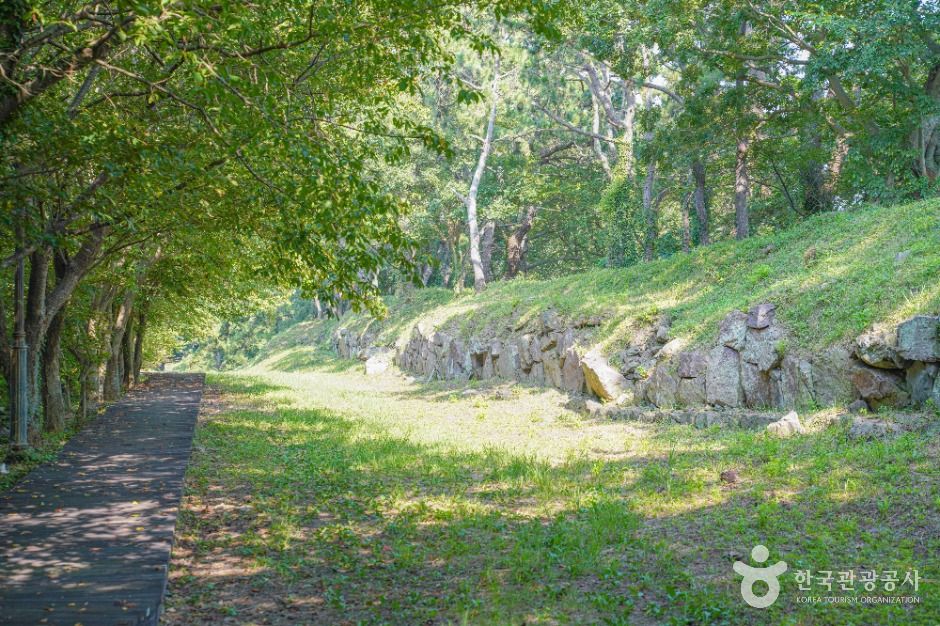
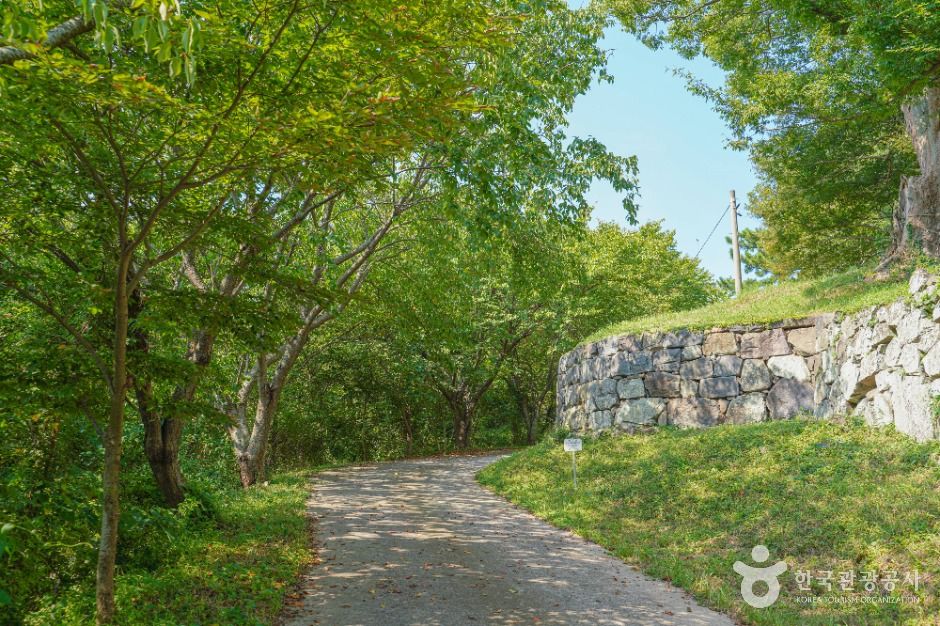
Beopseongjin Fortress was built in 1514 by piling stones on Inuisan to defend Beopseongchang, an important defensive port and granary for the Jeolla region. Initially, the fortress walls had a circumference of about 800 meters, but the remaining walls today measure approximately 460 meters. The entire north wall is preserved, while only parts of the west and east walls remain. Originally, the fortress had four main gates: Sangdongmun, Hadongmun, Seomun, and Nammun, but all gatehouses have vanished, leaving only traces. Inside the fortress, there were the navy's south gate, a guest house, Dongheon (local government office), and military flag storehouse. Artifacts dating to the Joseon Dynasty, including roof tiles, porcelain, and earthenware, have been excavated here. The walls bear inscriptions naming the local military districts involved in construction, lengths built, construction supervisors, and financial officers. These records provide valuable insight into personnel mobilization and construction systems of the time, making this site of great historical and academic significance for studying Joseon-era fortresses.
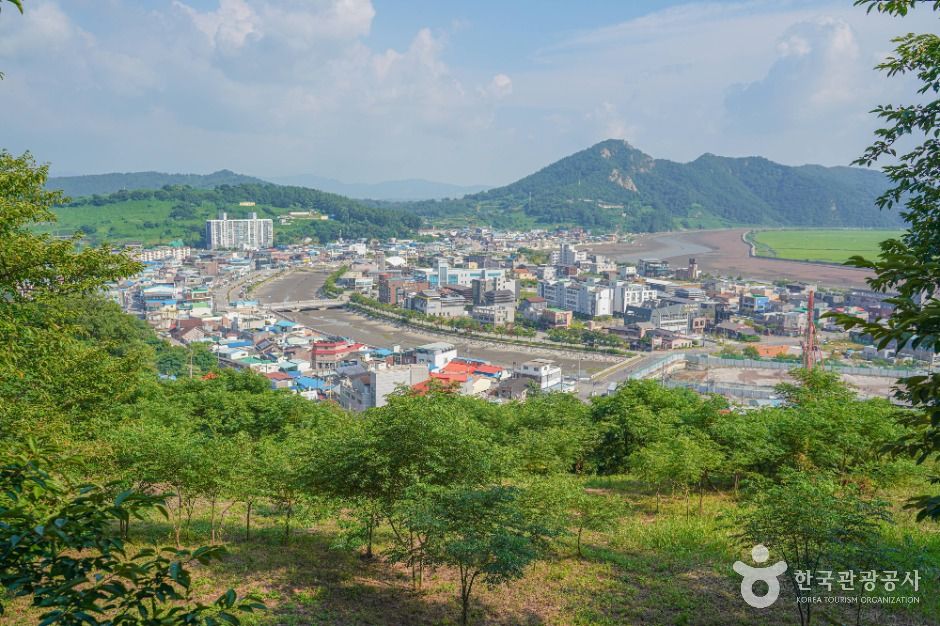
Chilsan Tower is the tallest observatory in Jeollanam-do at 111 meters, symbolizing the unity of Yeonggwang-gun's 11 eup and myeon. The first floor houses the passenger waiting room, a convenience store, and a seafood sales center. The second floor features restaurants and a sashimi center. The highlight is the observatory on the third floor. From the observatory, visitors can see the vast Chilsan sea and surrounding land all at once, naturally inspiring awe.
コース後に休みやすい宿を集めました
会員登録して自分のチャンネルも一緒に紹介してもらう
(会員になると、マイページで設定した Instagram・YouTube・ブログのリンクが、あなたのコメントと一緒に表示されます。)
“「弘大近くに滞在して、夜のカフェ巡りをしました。街の夜景も雰囲気も最高でした。」”
ゲストとして投稿したコメントには、SNSリンクやプロフィールカードは表示されません。
この場所についてのちょっとしたコツや感想をシェアしてください。
ゲストとして、気軽にひとことコメントを残すこともできます。
写真の添付はログイン後に利用できます。
まだレビューがありません。最初の感想を投稿してみましょう!