
延川に移った皇孫の家 in 京畿道 延川郡 · schedule その他 · distance 50.2km · 1 stops · highlights Yeoncheon Sungui-jeon Site
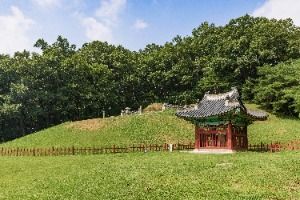
崇義殿址は、朝鮮時代に前の王朝である高麗時代の王や功臣の位牌を祀り、祭祀を行っていた崇義殿があった場所である。
このコースは1日旅程のサンプルです。そのまま保存するか、AI日程に拡張できます。
Sungui-jeon Site [崇義殿址] is the location where Sungui-jeon stood during the Joseon Dynasty, a shrine that enshrined the spirit tablets of kings and meritorious subjects from the previous Goryeo Dynasty and conducted memorial rites. Originally, this place was home to Angamsa Temple [仰巖寺], the original temple of Goryeo's founder King Taejo Wang Geon [王 建]. In 1397, a shrine was established here to enshrine the spirit tablet of King Taejo, becoming the origin of the current Sungui-jeon. After the shrine was built, in 1399 (the 1st year of King Jeongjong's reign), by royal decree, spirit tablets of eight Goryeo kings—including Taejo, Hyejong [惠宗], Seongjong [成宗], Hyeonjong [顯宗], Munjong [文宗], Wonjong (Chung-gyeong King 元宗), Chungnyeolwang [忠烈王], and Gongminwang [恭愍王]—were enshrined. The currently reconstructed buildings consist of Sungui-jeon, measuring three kan in front and three kan in depth, along with five auxiliary buildings: Baesincheong, Iancheong, Jeonsacheong, etc., as well as three gates—Naesinmun, Oesinmun, and Hyupmun—and six gates including Unjomon.
コース後に休みやすい宿を集めました
会員登録して自分のチャンネルも一緒に紹介してもらう
(会員になると、マイページで設定した Instagram・YouTube・ブログのリンクが、あなたのコメントと一緒に表示されます。)
“「弘大近くに滞在して、夜のカフェ巡りをしました。街の夜景も雰囲気も最高でした。」”
ゲストとして投稿したコメントには、SNSリンクやプロフィールカードは表示されません。
この場所についてのちょっとしたコツや感想をシェアしてください。
ゲストとして、気軽にひとことコメントを残すこともできます。
写真の添付はログイン後に利用できます。
まだレビューがありません。最初の感想を投稿してみましょう!


