歴史の痕跡を訪ねるヨジュ探訪 in 京畿道 ヨジュ市 · schedule その他 · distance 31.4km · 4 stops · highlights Sinneuksa Temple, 여주박물관, Yeoju Yeongneung and Yeongneung
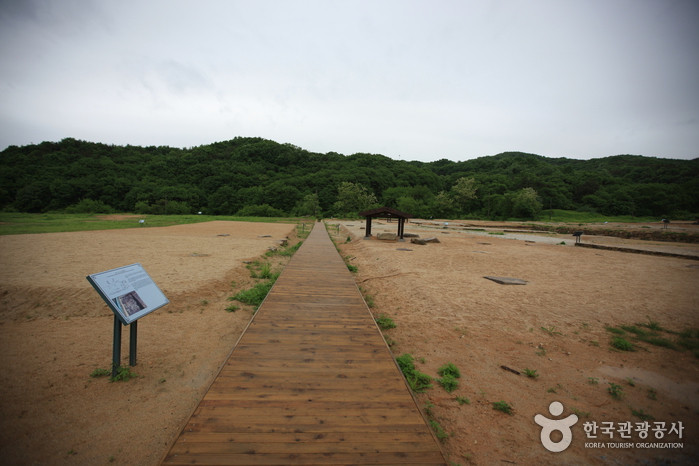
ヨジュは朝鮮半島のほぼ中央に位置し、東は江原道原州と忠清北道忠州、南西はイチョン、西はクァンジュ、北はヤンピョングンに接している。歴史の痕跡を訪ねるヨジュ探訪は、コダルサのあった寺院跡から始まり、シルクサ、ヨジュ博物館、世宗大王陵、明成皇后生家まで及ぶ歴史探訪である。歴史の痕跡をたどってみよう。
このコースは2日間の旅程サンプルです。そのまま保存するか、AI日程に拡張できます。
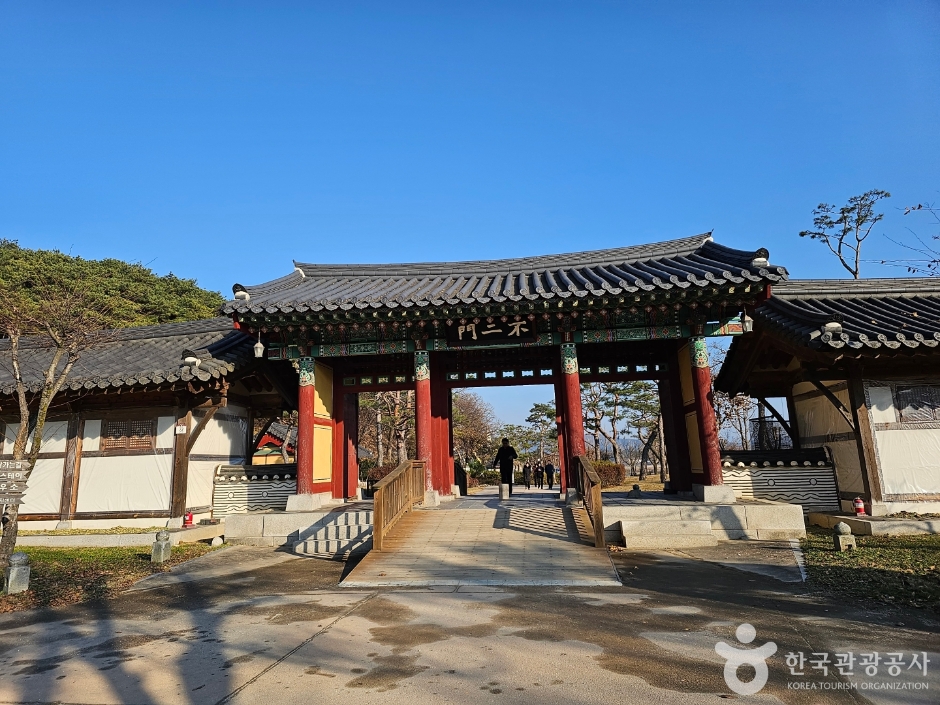
Sinneuksa Temple is a representative temple of Yeoju located at the foot of Bongmi Mountain. It boasts a long history, grand scale, and excellent scenery. It is a branch temple of Yongjusa, the headquarters of the Jogye Order of Korean Buddhism's 2nd district, and is designated as a traditional temple of Gyeonggi-do. Unlike many temples built in the mountains, it was unusually established by the riverside overlooking the Namhan River. It is said to have been founded by the monk Wonhyo during the Silla King Jinpyeong era, though there is no definite evidence. It is famous as the place where the monk Naong stayed during the late Goryeo period and was said to have been a large temple with over 200 rooms. In the 3rd year of King Seongjong of Joseon (1472), it was made the original temple of Yeongneung, the tomb of King Sejong the Great, and was called Boeunsa [報恩寺], but later the name returned to Sinneuksa as the meaning of original temple weakened. It was sometimes called Byeokjeol because of the multi-story brick stone pagoda. It is about a 13-minute drive from Yeoju IC and Seoyeoj u IC. The area around Sinneuksa is developed as a national tourist attraction with many restaurants nearby and is close to Yeoju Ceramic World, the largest ceramic specialty shopping mall in Korea, as well as the Hwangpo Sail Boat Cruise.
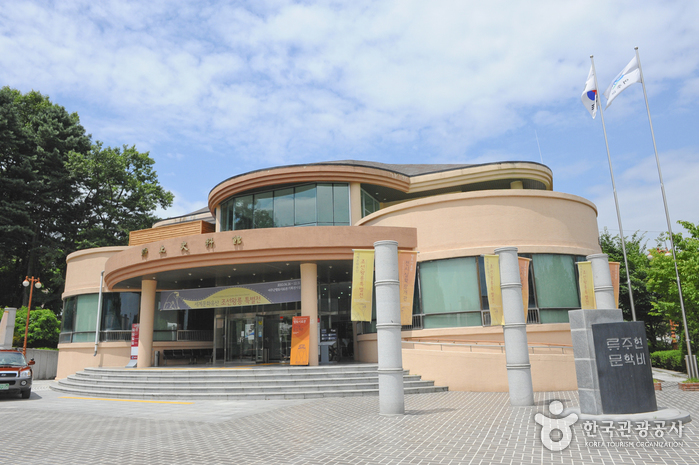
1997년 5월 여주시에서 개관하였으며, 신륵사관광지 안에 조성되었다. 여주박물관은 전시, 연구, 교육을 위한 귀중한 문화재를 확보하고, 이의 보존과 전승에 기여하는 것을 목적으로 하고 있다. 박물관은 전시실 2실과 시청각실, 사무실, 수장고, 야외공연장으로 이루어져 있다. 주요 전시품으로는 여주목읍지, 여주향교중수 기사 등 고서적과 여주와 관련된 인물들의 서간문·교지·칙령·전문 등의 고문서류와 토기·도자기·민속유물 등을 들 수 있다. 또한 흔암리선사주거지 디오라마, 매룡리 고분군 석실묘 모형, 쌍룡거줄다리기 디오라마, 신륵사 모형, 명성왕후 생가 모형 등 여러 종류의 디오라마와 모형을 전시하고 있다. 이외에 여주박물관에서는 여주의 역사와 문화유적에 관한 책자를 발간하고, 소장 유물 및 관내 문화재의 디지털 화상 작업, 공무원의 관내 문화유적 탐방 등의 활동을 하고 있다.
Yeongneung (英陵) is the tomb of the 4th Joseon King Sejong and Queen Sohun, Lady Shim. It is the first joint burial tomb among Joseon royal tombs where the king and queen are enshrined in the same mound, with King Sejong on the left and Queen Sohun on the right when viewed from the front. Originally, Yeongneung was created in 1446 after Queen Sohun passed away, located at the current site of Heolleung and Inneung in Seoul, and four years later, King Sejong was interred there. Due to feng shui concerns, there were attempts to move Yeongneung during King Sejo’s reign, but it was only relocated to its current site in 1469, burying the original stone structures and stele underground and remaking them at Yeoju. Yeongneung (寧陵) is the tomb of the 17th Joseon King Hyojong and Queen Inseon, Lady Jang. This tomb features the first same-hill vertical arrangement where the king’s and queen’s burial mounds are set one above the other, with King Hyojong’s mound above and Queen Inseon’s below when viewed from the Jeongjagak. This arrangement was due to feng shui reasons to preserve the vital energy from the correct geomantic point, unlike the side-by-side twin tomb style. After King Hyojong’s death in 1659, the tomb was initially established in Wonneung within the old Donggureung in Guri, but due to structural issues and water damage concerns, it was moved in 1673. However, no water intrusion was found when the tomb chamber was inspected during the move. The shrine at the entrance of Yeongneung is used for preparing memorial rites and is currently the best-preserved original jeosael among the Joseon royal tombs.
This house is where Empress Myeongseong, consort of King Gojong of Joseon (1863–1907), was born and lived until she was eight years old. Empress Myeongseong, daughter of Mingchilok, was born in the 2nd year of King Cheoljong's reign (1851) and became queen at sixteen. She led reform policies as King Gojong's political partner but was assassinated by Japanese during the Eulmi Incident in 1895. Her tomb was originally in Cheongnyang-ri but was moved to Hongneung, Namyangju, Gyeonggi-do after King Gojong's death in 1919. The birthplace was first built in the 13th year of King Sukjong’s reign (1687), with only the main house remaining from the original buildings. In 1996, the main house was restored, and the servant quarters, sarangchae, and detached quarters were rebuilt to restore its original appearance. Next to the birthplace is Gamgodang, a house built in Anguk-dong, Seoul by Queen Inhyeon of the Yeoheung Min clan, Empress Myeongseong's family clan. She lived here until she was eight before moving to Seoul and becoming queen. When the building faced demolition, Yeoju city relocated it here in 2008. Other facilities include the Empress Myeongseong Memorial Hall displaying her calligraphy and relics such as King Gojong’s plaques, and a cultural hall for performances and events related to Empress Myeongseong.
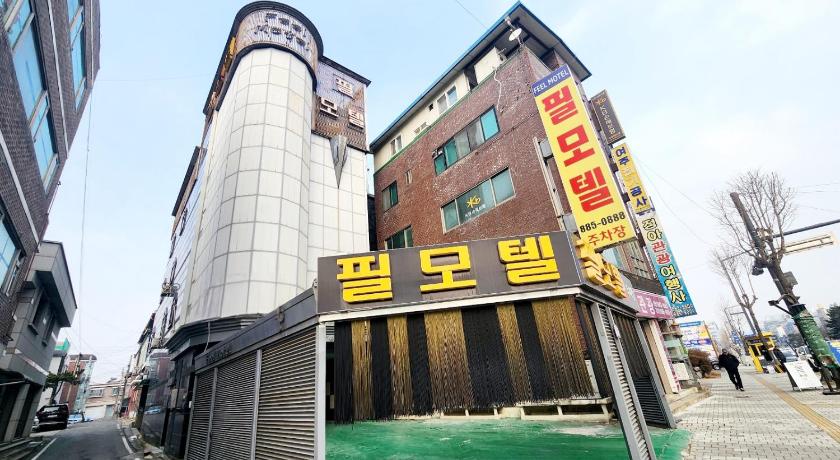
コース後に休みやすい宿を集めました
会員登録して自分のチャンネルも一緒に紹介してもらう
(会員になると、マイページで設定した Instagram・YouTube・ブログのリンクが、あなたのコメントと一緒に表示されます。)
“「弘大近くに滞在して、夜のカフェ巡りをしました。街の夜景も雰囲気も最高でした。」”
ゲストとして投稿したコメントには、SNSリンクやプロフィールカードは表示されません。
この場所についてのちょっとしたコツや感想をシェアしてください。
ゲストとして、気軽にひとことコメントを残すこともできます。
写真の添付はログイン後に利用できます。
まだレビューがありません。最初の感想を投稿してみましょう!