
江原道 楊陽郡 冬の海の日の出コース in 江原特別自治道 陽陽郡 · schedule その他 · distance 122km · 5 stops · highlights 오산리선사유적박물관, Yetteul, Namdaecheon
江原道は海のように日の出を見るのに適した場所が多い。年初や年末に冬の海のコースを計画して海を見に行くとよい。周辺の烏山里遺跡や南大川を巡るのも良いコースとなる。楊陽の松川餅村で餅作り体験をすることも特別な体験になる。
このコースは1日旅程のサンプルです。そのまま保存するか、AI日程に拡張できます。
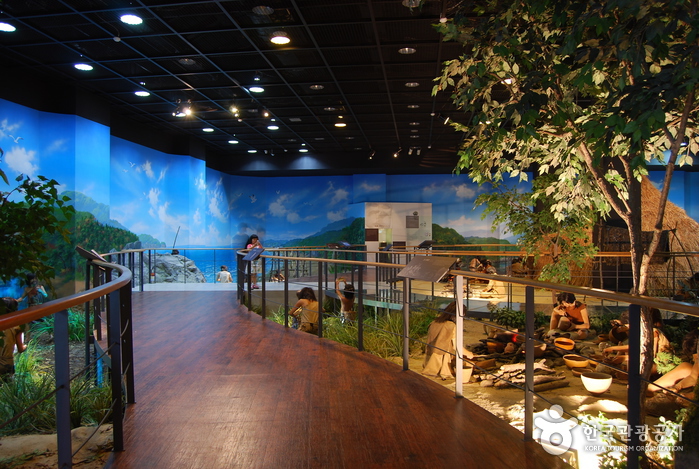
1977년 농경지로 사용하기 위하여 모래언덕을 파서 이 호수를 매립하던 중 발견되어, 1981년부터 6차례에 걸쳐 발굴 작업을 하여 14기의 원형집터와 소활석 및 돌무지 유구, 다량의 석기와 토기를 발굴하였다. 출토유물의 방사성탄소연대측정을 바탕으로 분석한 결과 오산리 유적지가 B.C. 6000년 경의 유적으로 확인되어 우리나라 신석기 유적지 중 가장 오래된 유적지로서 우리나라 신석기 문화의 기원 해명 및 동아시아의 문화적 상관관계를 파악하는 데 있어 중요한 유적지로 평가되어 사적394호로 지정되었다. 양양군에서는 2009년 연말까지 유적지정비, 체험학습장, 야외전시장, 탐방로 설치 등의 다양한 시설을 갖추어 관람 편의를 제공할 예정이다.
Yetteul is a Korean cuisine specialty restaurant famous for its cauldron-cooked hand-made tofu and natural seafood soup, maintaining traditional methods for over 30 years. 'Seop' is a Gangwon dialect term for mussels, and here you can enjoy natural seop-guk (mussel soup). The rich soup is made by aging Gangwon local doenjang and gochujang, boiled with natural seop (mussels) harvested directly by haenyeo (female divers), mushrooms, chives, green onions, and eggs, making it a popular restorative hangover soup. Signature dishes include Sancho grilled tofu, natural seop-guk, seop bibimbap, cauldron-cooked modubu, grilled modubu, and Najam samhap. Nearby attractions such as Songjeon Beach, Sol Beach Yangyang Ocean Play, and Osan-ri Prehistoric Site are great to visit together.
Namdaecheon is a river considered one of the eight scenic views of Yangyang. Originating from Odaesan (1,563m) in Pyeongchang-gun, Gangwon-do, the river flows through Yangyang into the East Sea. It can be divided into sections from the upper reaches: Buyon Valley, Beopsuchiri Valley, Eoseongjeoncheon, and Namdaecheon. Yangyang Namdaecheon is Korea's premier salmon return river. Over 70% of salmon returning to Korea migrate here, earning it the title of 'Mother River of Salmon.' Young salmon born in Namdaecheon grow for 3–5 years in the Bering Sea or Sea of Okhotsk in the North Pacific before returning upstream through the East Sea to spawn and end their life cycle. The salmon return peaks in the fall, especially from mid-October to November, during which the Yangyang Salmon Festival is held around mid-October. Additionally, yellow croakers can be observed in April and May, and schools of whitebait in July and August. Namdaecheon is known as the clearest and longest river in the Yeongdong region of Gangwon-do. While other East Coast rivers have watersheds around 20㎢, Namdaecheon's watershed extends to 54㎢ with relatively many tributaries. Tourist sites such as Beopsuchiri Valley upstream and Naksan Beach near the lower reaches exist, and the Namdaecheon ecological observation trail at the river mouth features beautiful silver-colored reed forests in the fall.
Yangyang Donghae Shinmyo Shrine is a place where state-level rituals were performed to pray for national peace and prosperity as well as abundant crops and fishing by the Dragon King of the East Sea. The exact founding date is unknown, but it was established during the Goryeo Dynasty and was designated as a medium-scale national ritual site in the early Joseon period. Due to limited arable land, the East Coast region engaged in fishing in the rough sea since the Silla period, worshipping the Dragon King with rituals. Villages also had Haesindang, sea god shrines unique to coastal villages. Many coastal villages along the East Sea, including those in Goseong, Yangyang, Gangneung, Donghae, Uljin, and Samcheok, have Haesindang along with Seonangdang shrines overseeing the entire village, praying for safety and abundant catches. Donghae Shinmyo was designated as a shrine continuing the coastal folk faith tradition and has held rituals every spring and autumn. In 1908 (the 2nd year of King Sunjong), the stele was cut and buildings dismantled due to Japanese cultural suppression policies, but restoration efforts began in 1993 by Yangyang-gun. Every year, the 'Yangyang Donghae Shinmyo Summer Beach Dragon King Festival' is held alongside the opening of the beach. Similar Dragon King festivals are held at Naksan Beach, Seorak Beach, and others to pray for safety when their beaches open.
Naksan Beach is the representative beach of Yangyang, located in Joseon-ri, Yangyang-eup, Yangyang-gun, Gangwon-do. Since its opening in 1963, it has attracted over one million tourists from all over the country every year. It is considered one of the most famous beaches on the East Coast along with Gyeongpodae Beach. The impressive view features a wide 4 km sandy beach in front of a dense pine forest. The water depth is relatively shallow at about 1.5 meters, making it ideal for swimming. In winter, many people visit to watch the sunrise, and a Sunrise Festival is held on New Year's Day, making it a popular spot to wish for blessings. At the end of the beach is Naksan Port, and behind it stands Naksan with Naksansa Temple. On the opposite side, Namdaecheon River flowing from Seoraksan forms a lake at its estuary. Around the beach, cafes, convenience stores, and restaurants are available for convenient use. Accommodation facilities such as guesthouses, condos, and hotels are also well equipped.
コース後に休みやすい宿を集めました
会員登録して自分のチャンネルも一緒に紹介してもらう
(会員になると、マイページで設定した Instagram・YouTube・ブログのリンクが、あなたのコメントと一緒に表示されます。)
“「弘大近くに滞在して、夜のカフェ巡りをしました。街の夜景も雰囲気も最高でした。」”
ゲストとして投稿したコメントには、SNSリンクやプロフィールカードは表示されません。
この場所についてのちょっとしたコツや感想をシェアしてください。
ゲストとして、気軽にひとことコメントを残すこともできます。
写真の添付はログイン後に利用できます。
まだレビューがありません。最初の感想を投稿してみましょう!


