風景と歴史と体験をすべて楽しもう!活気あふれる義城の旅 in 慶尚北道 義城郡 · schedule 1泊2日 · distance 약 60km · 5 stops · highlights Gounsa Temple, Uiseong Sachon-ri Tree-lined Forest, Uis…
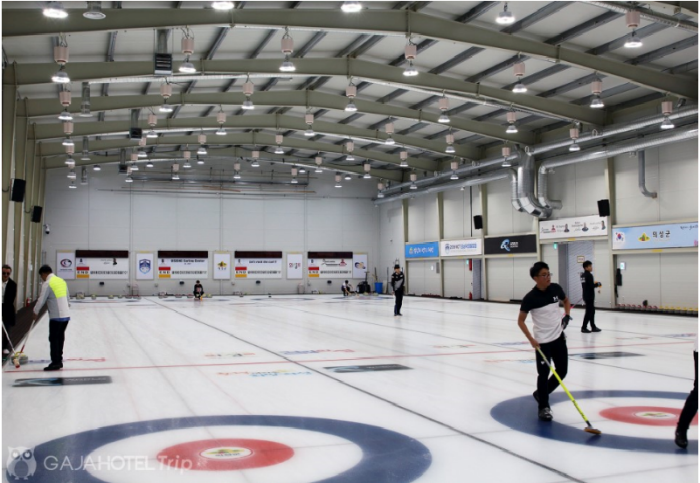
義城は美しい自然と豊富な体験が調和した旅行地である。まず、韓国アップリーズで自分だけのワイン体験を通じてリンゴワインを作り、平昌冬季オリンピックで活躍した「チームキム」の練習場である義城カーリングセンターで直接カーリングを学び体験できる。四季折々に美しい高雲寺は義城旅行で欠かせないコースである。沙村街路の森では古い木々が作る森を歩き、旅に休息を加えるのもよい。ニンニクで有名な義城伝統市場ではニンニクを使った様々な料理を味わえる。義城一帯は古代国家「調文国」が存在した場所で、発掘された遺跡は調文国博物館で見ることができ、歴史を感じられる調文国史跡地も整備されている。
このコースは2日間の旅程サンプルです。そのまま保存するか、AI日程に拡張できます。
※ Due to a forest fire in March 2025, some buildings such as Yeonsujeon and Gawunru were completely destroyed, so please take this into consideration before visiting. Gounsa Temple was founded in 681 by Monk Uisang. Originally called Gounsa (高雲寺), about 200 years later it was renamed Gounsa (孤雲寺) after Goun Choe Chi-won, who practiced asceticism here and built Gawunru and Uhwaru, adopting his pen name. It was repaired several times during the Joseon Dynasty. During the Japanese invasions of Korea (Imjin War), it served as a forward base for Buddhist soldiers under Monk Samyeong, storing food and caring for the wounded, and during the Japanese colonial period, it was one of 31 headquarters nationwide, flourishing as a center of patriotic Buddhism. Within the temple grounds are buildings such as Daeungjeon, Geungnakjeon, Gwaneumjeon, Geumgangmun, Uhwaru, and Gogeumdang. Important cultural assets include the Uiseong Gounsa Stone Buddha, Gounsa Three-story Stone Pagoda, Gounsa Gawunru, and Uiseong Gounsa Yeonsujeon. The temple offers experience programs including templestay and temple food experiences. Templestay includes a free program called Heart-Pounding Templestay to relieve the stress of exam students, a Youth Healing Camp for university students, and the Mind Forest Path program with Buddhist services, tea talks with monks, and walking meditation for rest. The temple food experience is conducted at the Gounsa Temple Food Experience Center under the guidance of monks preserving the culinary traditions. The temple food program consists of classes including temple food, beginner, short-term, fermented food experience, and one-day courses.
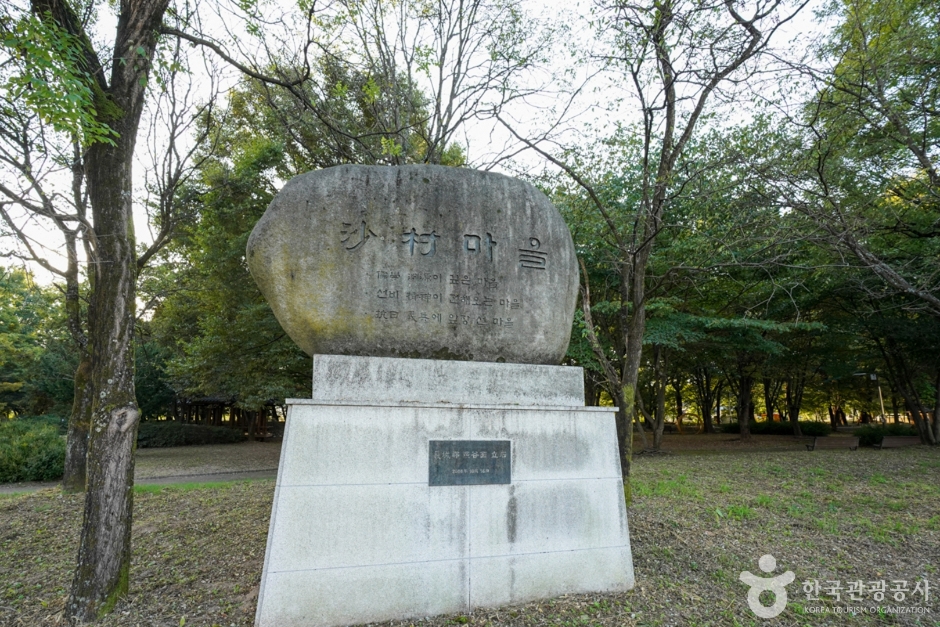
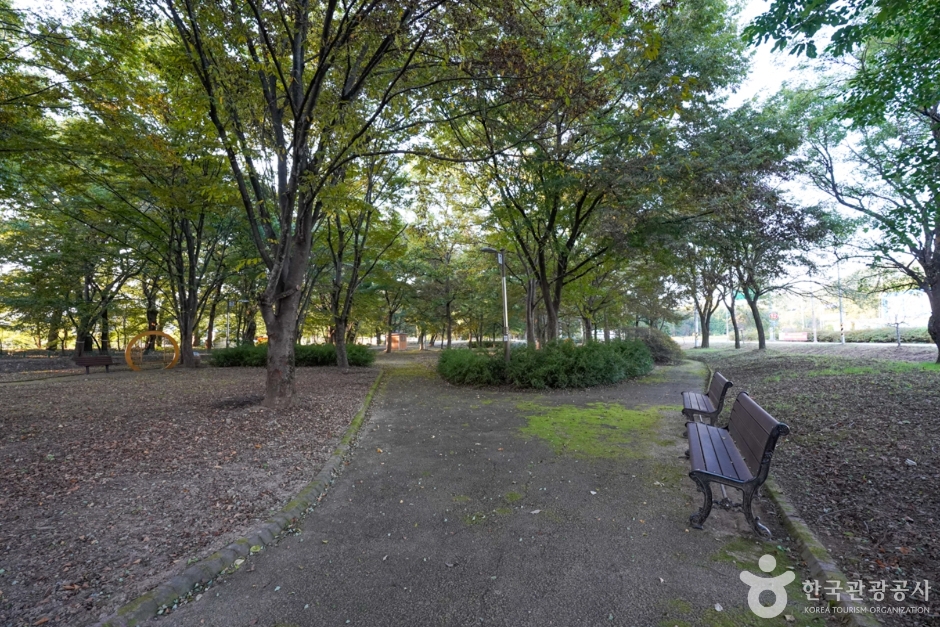
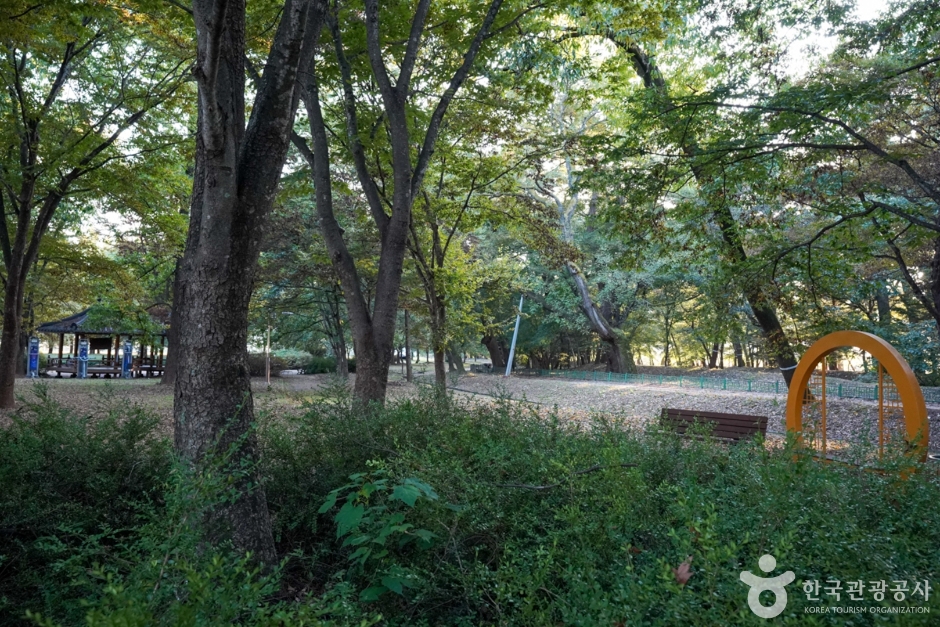
The natural monument Sachon-ri Tree-lined Forest in Uiseong's Sachon Village originated when Kim Jacheom of the Andong Kim clan moved here from Andong and created a windbreak forest to block the westward winds blowing across the flat land west of the village. The site embodies the feng shui belief that a lack of protection from the west results in a lack of notable people, as well as the wisdom of ancestors who aimed to protect their living space from cold west winds. Also called Seorim because the forest is located in the west, the forest mainly consists of oak species such as Chinese hackberry and sawtooth oak. The trees were planted when the village was established, and some have aged up to 600 years.
Uiseong Traditional Market operates on the days ending with 2 and 7 each month. It is the largest market in Uiseong, where a direct garlic marketplace is set up during the garlic harvest season, attracting merchants from all over the country. In addition to garlic, agricultural products, seafood, fruits, and various daily necessities are also sold. From 2004 to 2014, Uiseong Traditional Market underwent modernization projects including arcade installation and parking lot improvements to cleanly revamp the market.
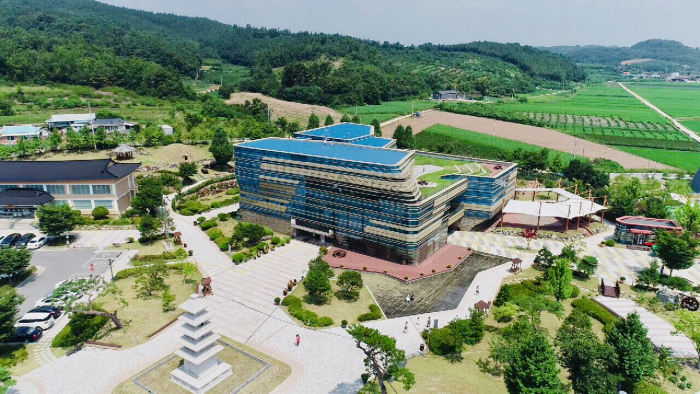
Uiseong is geographically located on an important transportation route extending from Gyeongju to the Han River basin, and at that time, Silla regarded this area as very significant. This fact is confirmed by the large-scale ancient tombs still existing in Uiseong. The Geumseongsan burial mound group is currently administratively divided into Daeriri, Tapriri, and Hakmiri, but it is a large burial mound group continuously built along one ridge. These were made from the late 4th century to the mid-6th century and were excavated seven times by professional excavation institutions. It has been confirmed that about 374 burial mounds are distributed in this area, including a tomb said to be of King Gyeongdeok of Jomunguk. Many of the artifacts found in the excavation are in the Uiseong style pottery, but gilt-bronze crowns, gilt-bronze ornaments, and silver crown fittings were also unearthed. The Geumseong-myeon area in Uiseong-gun was the capital of Jomunguk for a long time, as evidenced by the construction of large burial mounds and high-quality prestige items, which are exhibited and preserved at the Uiseong Jomunguk Museum. Also, the Tomb Exhibition Hall, which reproduces the interior of the Daeri No. 2 tomb, allows visitors to glimpse the burial customs of the time through excavated artifacts and the culture of human sacrifice. A peony garden (4800㎡) was created within the Daeri burial mound group and welcomes many visitors from mid-May. In addition, seasonal flower gardens provide various attractions year-round alongside viewing the regional cultural heritage. The Geumseong-myeon area is well maintained with Sujeongsa Temple and the Geumseongsan hiking trail.
의성 지역은 고대 국가인 조문국(召文國)이 존재한 지역으로, 박물관이 조성된 인근에 분포하는 374기의 고분에서 다양한 관련 유물들이 출토되었다. 이러한 조문국 및 의성 지역의 역사와 유물들을 체계적으로 조사, 수집, 전시, 보존하기 위하여 의성군에서 박물관을 설립하여 2012년 10월에 준공하였으며, 2013년 4월 25일에 개관하였다. 의성 조문국 박물관은 지하 1층, 지상 3층 규모이다. 상설 전시장, 기획 전시실, 어린이 고고발굴체험장, 강당 , 수장고, 기계실, 야외 공연장 등으로 구성되어 있다. 소장품은 1,500여 점을 보유하고 있으며, 주로 고분에서 출토된 고대 유물을 소장하고 있다.2018년 7월 개장한 물놀이장이 있어 여름철 경북북부권 피서지 역할을 해내고 있다.2020년 7월 정식 개장 예정인 의성상상놀이터가 있으며 공룡 발자취, 학예사 체험, 에어포켓, 북카페를 운영할 계획으로 있다
コース後に休みやすい宿を集めました
会員登録して自分のチャンネルも一緒に紹介してもらう
(会員になると、マイページで設定した Instagram・YouTube・ブログのリンクが、あなたのコメントと一緒に表示されます。)
“「弘大近くに滞在して、夜のカフェ巡りをしました。街の夜景も雰囲気も最高でした。」”
ゲストとして投稿したコメントには、SNSリンクやプロフィールカードは表示されません。
この場所についてのちょっとしたコツや感想をシェアしてください。
ゲストとして、気軽にひとことコメントを残すこともできます。
写真の添付はログイン後に利用できます。
まだレビューがありません。最初の感想を投稿してみましょう!